Plymouth, MA
Plymouth was settled by the passengers of the Mayflower in 1620, making it one of the earliest permanent English settlements in New England. Known as “America’s Hometown”, Plymouth is forever connected to the Pilgrims, Plymouth Rock, the Mayflower, and the story of the first Thanksgiving, as well as the much older history of the Wampanoag people who inhabited this region for thousands of years before the Pilgrims arrived.
Today, its waterfront, historic homes, burial grounds, monuments, and preserved landscapes allow us to explore more than four centuries of history. Plymouth is especially meaningful to us because it is close enough to home that we have returned many times, yet there always seems to be another piece of its remarkable story waiting for us to discover.
Recent Posts
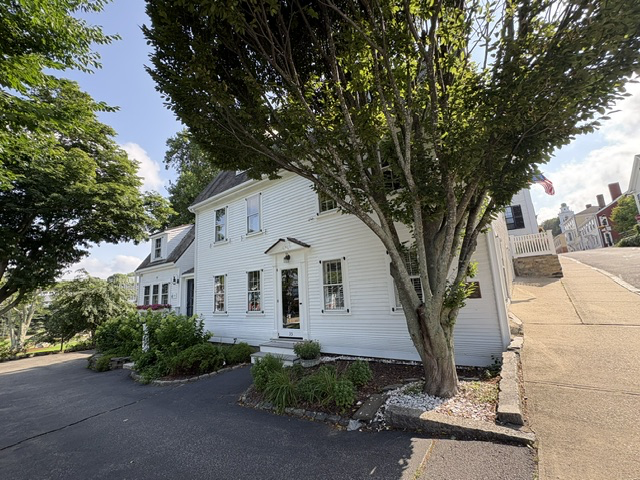
Samuel Lucas – Thomas Howland House
Standing at 36 North Street, the Samuel Lucas–Thomas Howland House does not immediately reveal its extraordinary age. Its white clapboard exterior, regularly spaced windows, and later additions give it the appearance of a traditional New England home. Hidden within that familiar exterior, however, is a structure believed to date from about 1637–1640, placing it among […]
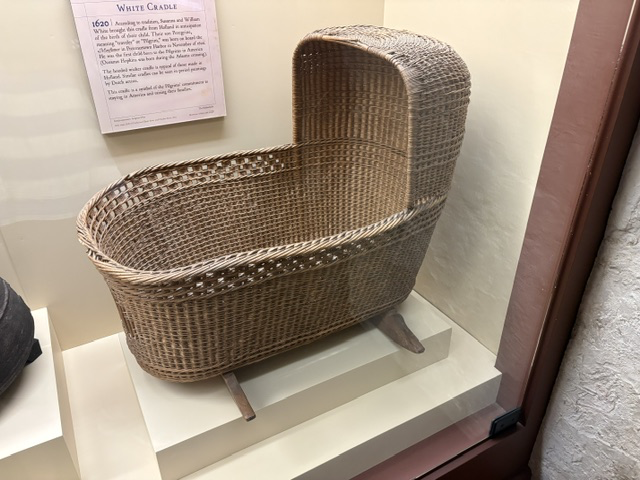
The White Cradle
Among the objects we encountered while exploring Plymouth was this simple wicker cradle. According to tradition, it belonged to Susanna and William White and was brought with them from Holland when they sailed aboard the Mayflower in 1620. Susanna White was pregnant during the Atlantic crossing. The Mayflower left Plymouth, England, in September with more […]
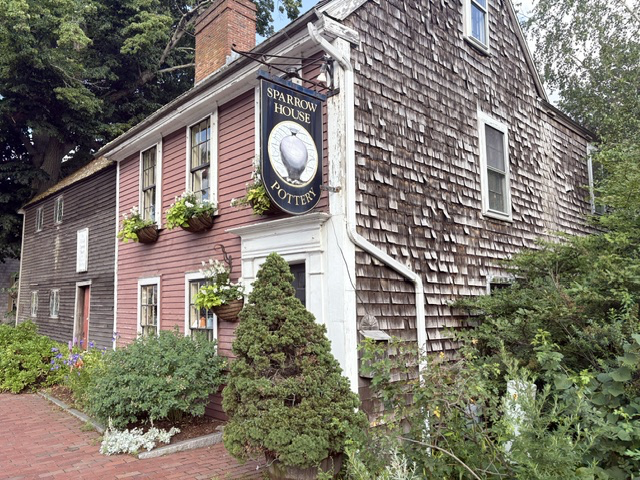
Richard Sparrow House
Tucked along a quiet street in Plymouth is the Richard Sparrow House, a wonderful reminder that some of the town’s history survives not in grand monuments but in the homes where ordinary families lived. Built around 1640, it is considered the oldest surviving house in Plymouth and one of the oldest wooden buildings in Massachusetts. […]
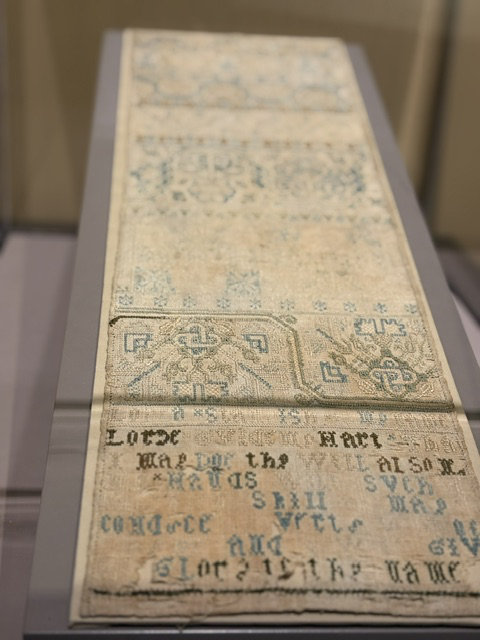
The Standish Sampler – 1653
This is a remarkable survival from the earliest years of colonial New England. Made around 1653 by Loara Standish, the teenage daughter of Mayflower passenger Captain Myles Standish, it is considered the earliest surviving sampler embroidered in America. Loara grew up in Duxbury, Massachusetts, where the Standish family settled after the establishment of Plymouth Colony. […]
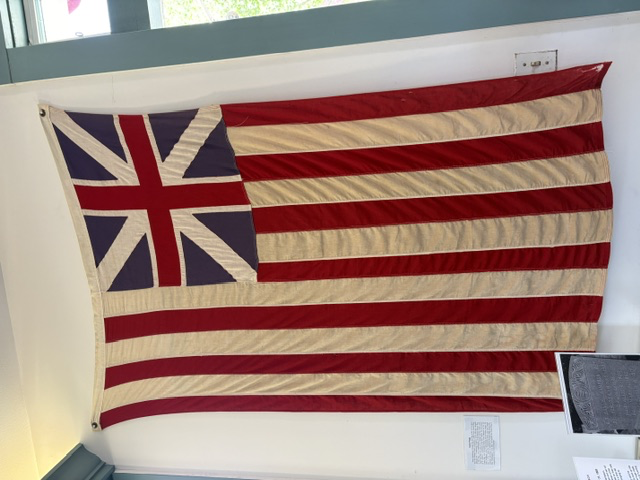
The Grand Union Flag
While exploring Plymouth’s 1749 Courthouse, I came across this flag. At first glance it seems almost contradictory: thirteen red and white stripes like an early American flag, but with the British Union flag occupying the canton. That contradiction is exactly what makes the Grand Union Flag so important. The thirteen stripes represented the thirteen American […]
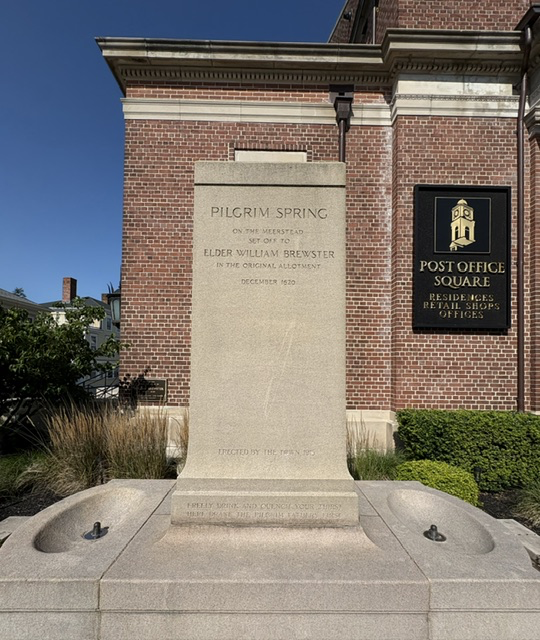
Pilgrim Spring
This monument in Plymouth marks Pilgrim Spring, identified on the stone as being “on the same land set off to Elder William Brewster in the original allotment, December 1620”. For the newly arrived Mayflower passengers, finding a dependable source of fresh water was essential. After weeks aboard ship and their explorations of Cape Cod, the […]
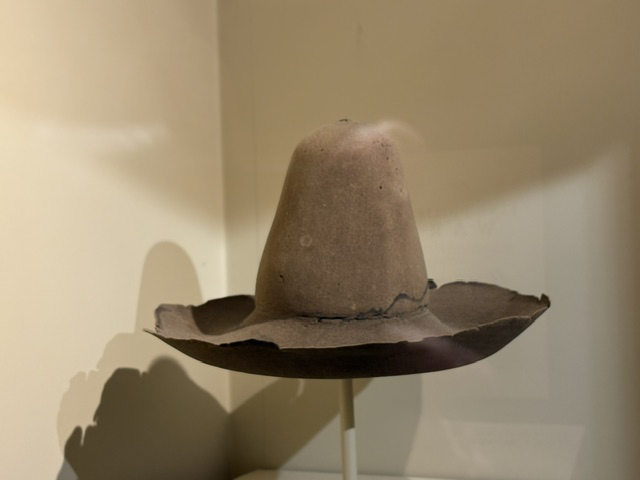
Constance Hopkins’s Beaver Hat
Among the objects we discovered in Plymouth was something remarkably personal: a beaver-felt hat associated with Constance Hopkins, a passenger on the Mayflower. Constance was only about fourteen years old when she crossed the Atlantic in 1620 with her father, Stephen Hopkins, her stepmother Elizabeth, and other members of their family. Unlike many objects displayed […]
A Grease Horn
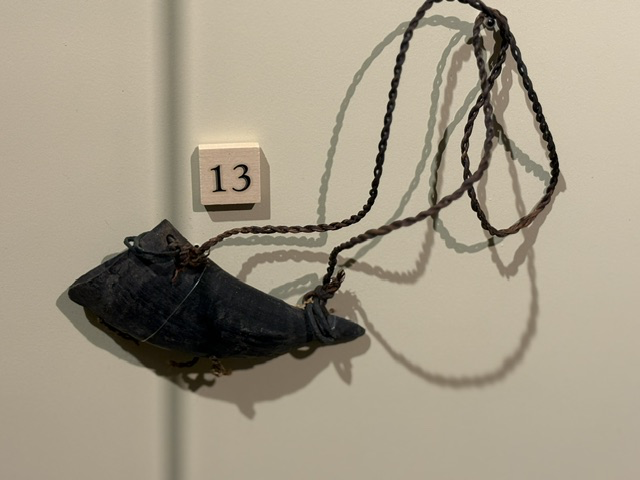
Among all the objects that survive from Plymouth’s earliest years, some of the most interesting are not the rare or elaborate possessions, but the simple tools people used in their daily lives. This small grease horn dates from approximately 1635–1665 and is identified as coming from Plymouth. A grease horn was a practical container, usually […]
The Jury Box
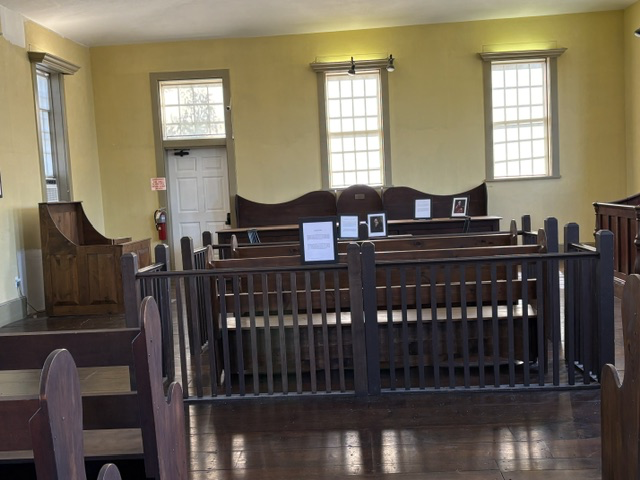
The jury box in Plymouth’s 1749 Court House gives us another glimpse into how justice was administered in colonial Massachusetts. Enclosed by a wooden railing and positioned directly before the justices, this was where local citizens sat to listen to testimony, consider the evidence, and reach a verdict. Serving on a jury was considered an […]
Clerk and Attorney’s Table
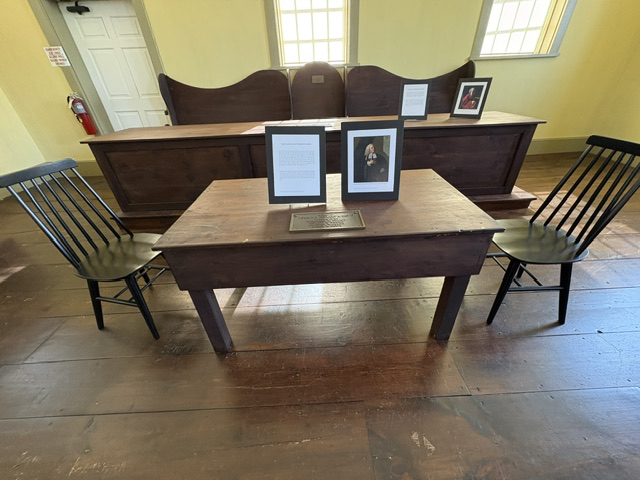
Directly in front of the justices’ bench in Plymouth’s 1749 Court House sits the clerk and attorneys’ table. Its position at the center of the courtroom reflects the important work that took place here as each case moved through the colonial court. The court clerk was responsible for creating the official written record of the […]
Torrent No. 4
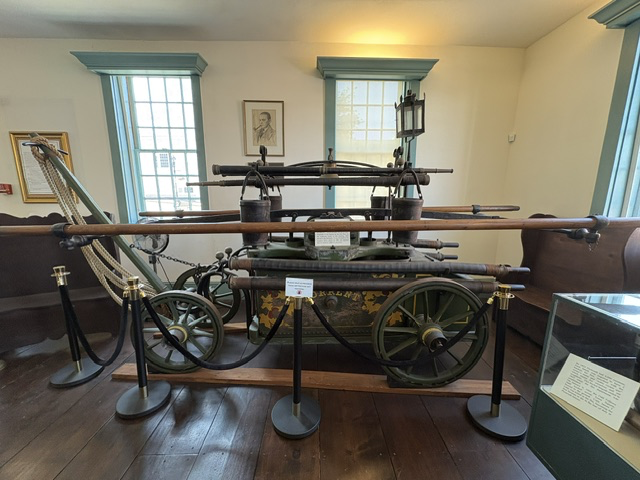
Inside Plymouth’s historic courthouse, we found another remarkable piece of the town’s everyday history: Torrent No. 4, a hand-drawn suction fire engine built in Boston by Stephen Thayer in 1828. Long before motorized fire trucks and modern hydrants, equipment like this represented some of the best technology available to a community trying to protect its […]
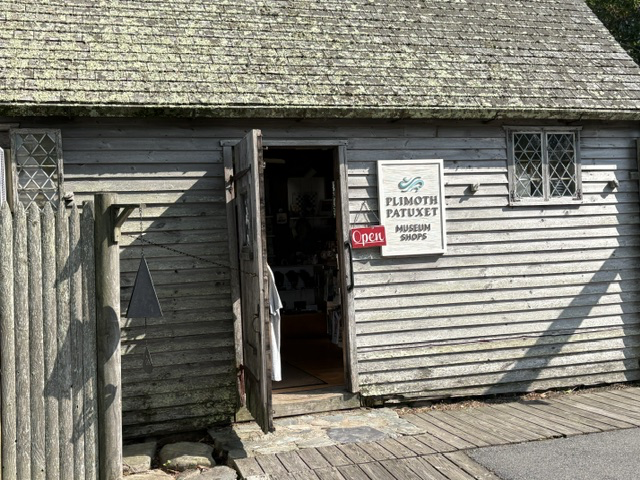
Plimouth Patuxet Museums
During my homeschooling years, we made many trips to what was then called Plimoth Plantation. It was one of those places where history became much more than something we read about in a book. As we walked through the recreated 17th-century English village, the people we met remained in character, speaking and responding as though […]

