Messages From the Past
A Window Into Everyday Life on the American Home Front,
These correspondences preserved from World War II, offer a rare, unfiltered look into what it meant to live through World War II as an American civilian. These letters, written by my parents and grandmother, caught in an extraordinary moment in time, capture the realities of a nation mobilized for war: rationing, restricted travel, overcrowded railways, financial strain, and the emotional weight carried by families waiting for news from their loved ones.
In these pages we see how mothers worried about their sons, wives longed to be with their husbands, and how soldiers coped with situations that pushed them to their limits. We also glimpse the infrastructure of wartime America, hospital trains transporting the wounded, shifting railroad schedules as troop movement took priority, and the everyday acceptance of sacrifice as a civic duty.
Beyond the headlines, these letters tell the story of how war shaped daily existence: the uncertainty of when loved ones would return, the struggle to balance hope with hardship, and the quiet resilience found in kitchens, train stations, and small towns across the country. Together, they illuminate a world in which ordinary Americans live with constant shortages, ever-changing rules, and the unspoken expectation to endure.
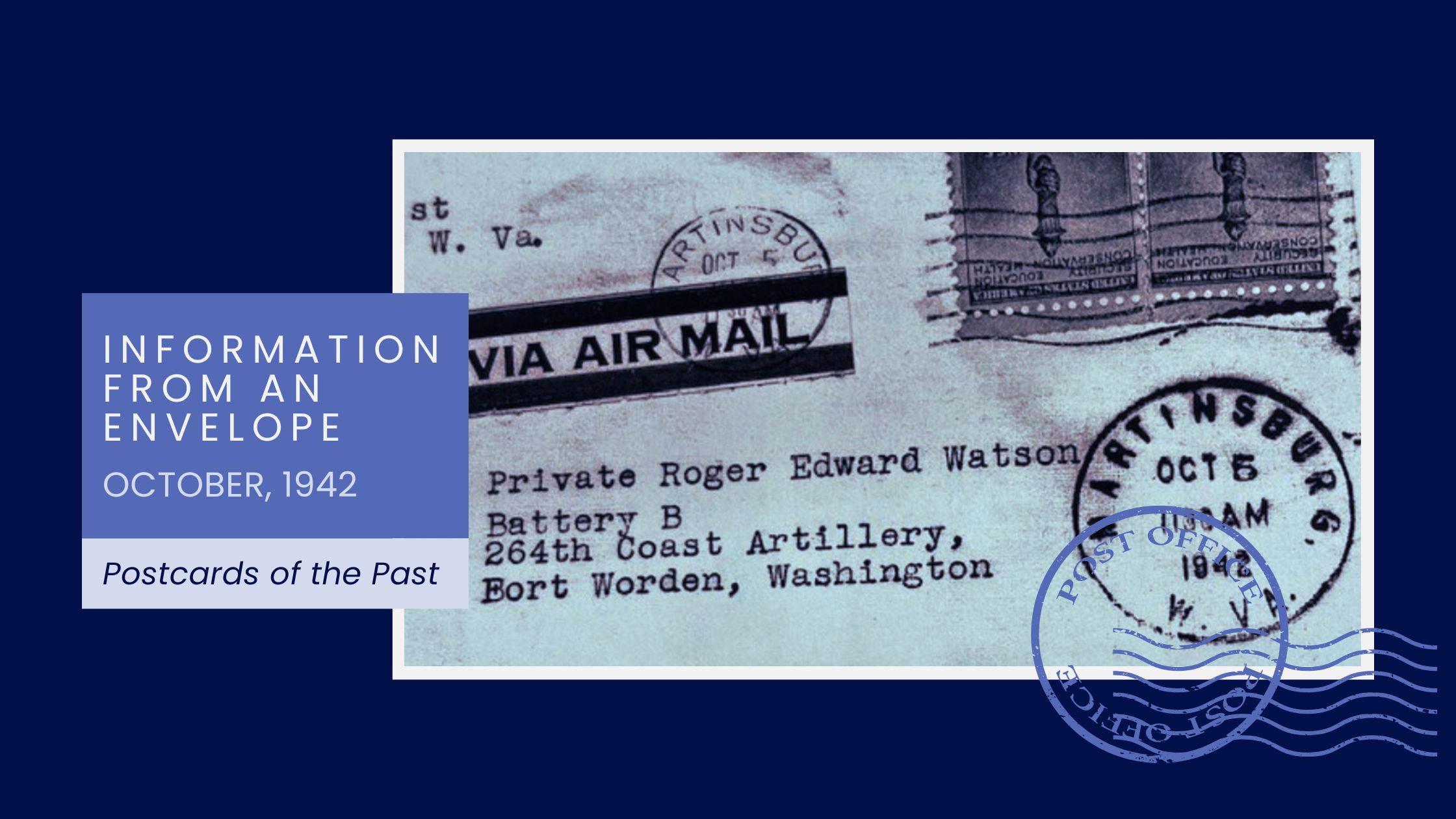
Recent Letters
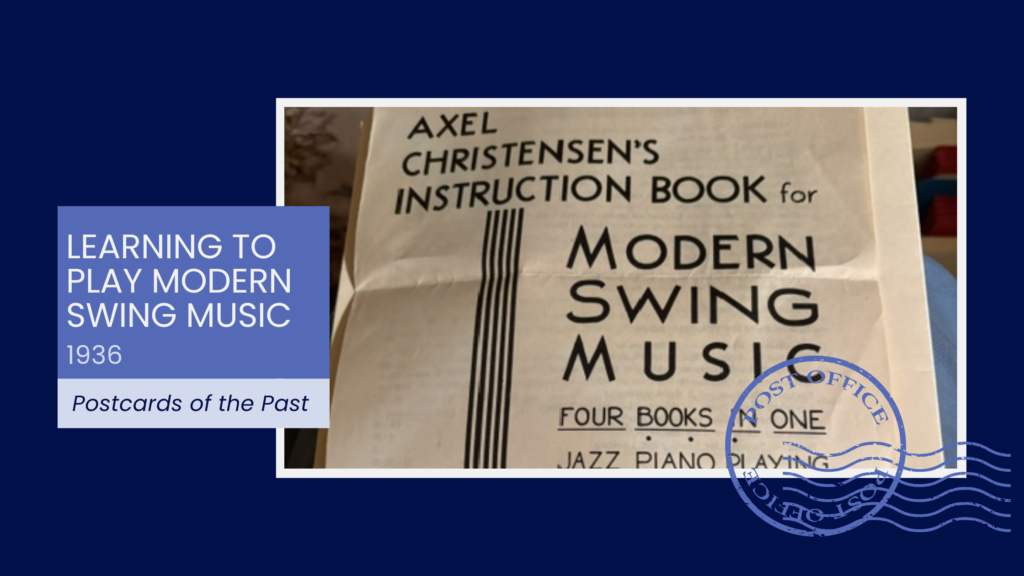
Learning to Play Modern Swing Music
Among my parents’ papers I found this $2 copy of Axel Christensen’s Instruction Book for Modern Swing Music. I don’t know whether it belonged to my mother or my father, or whether one of them actually learned to play from it. But the book tells us something about the music that surrounded their generation. Axel […]
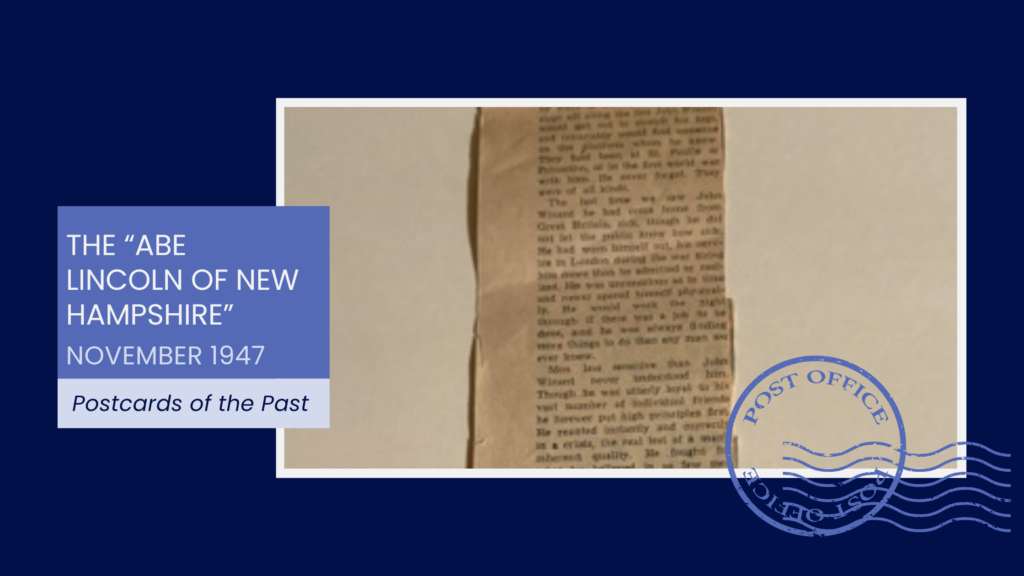
The “Abe Lincoln of New Hampshire”
My mother saved a remarkable number of newspaper clippings following the death of John Gilbert Winant in November 1947. Taken together, they suggest just how deeply his death affected Concord. This clipping from the New York World-Telegram adds something different to the story because of the way it describes the man people believed they had […]
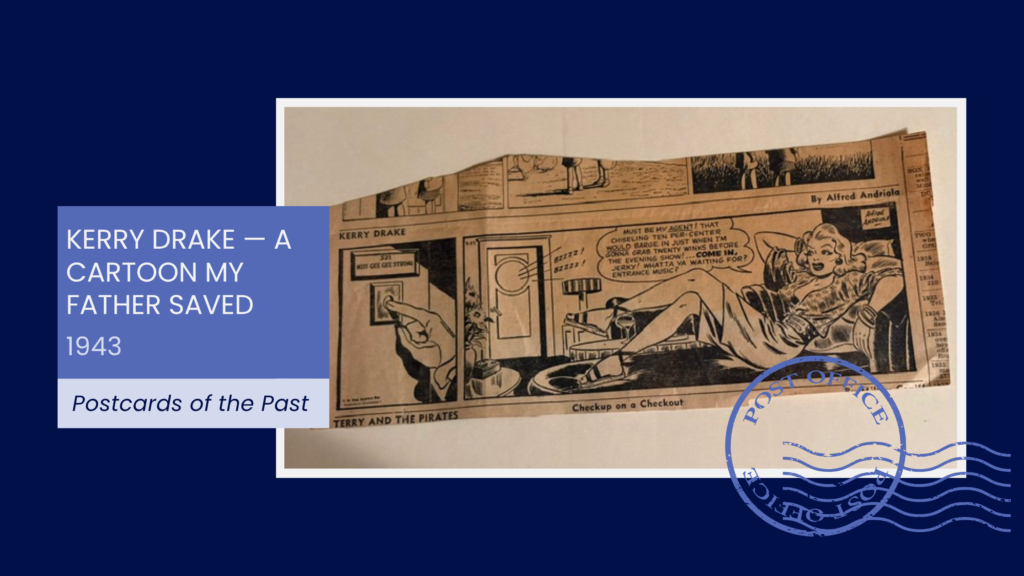
Kerry Drake — A Cartoon My Father Saved
Among my father’s papers is this small newspaper clipping from the comic strip Kerry Drake. There is no date, no newspaper name and nothing written on it to explain why he chose to cut it out and keep it. All that remains is this fragment of a story. Kerry Drake was a popular American detective […]
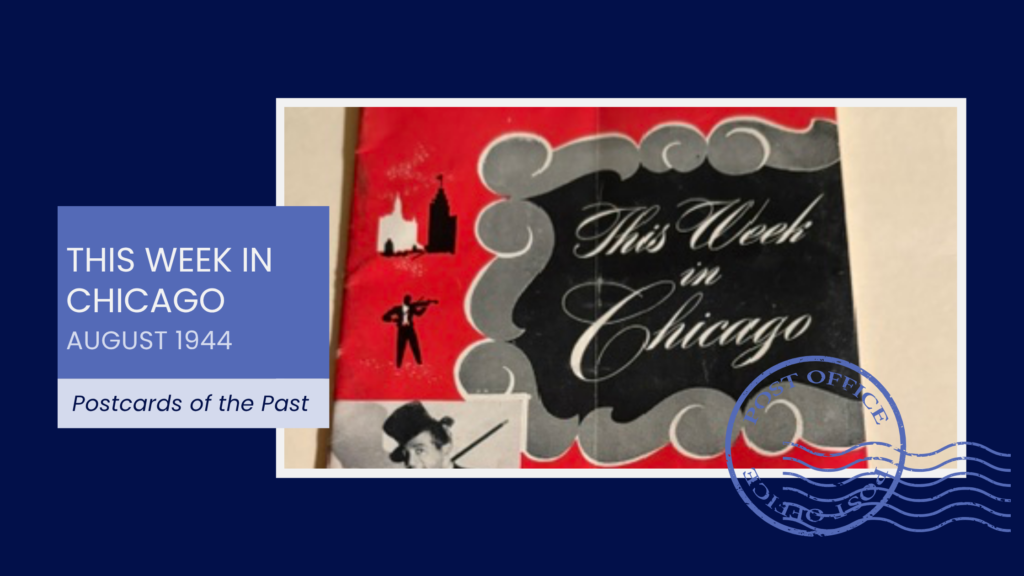
This Week in Chicago
Among my father’s papers is this small wartime entertainment guide, This Week in Chicago, dated August 19, 1944. Its colorful cover advertised some of the entertainment available in the city that week, including bandleader and entertainer Ted Lewis at the Latin Quarter and Jane Mihan at Club So-Ho. At first glance, it seems like a […]
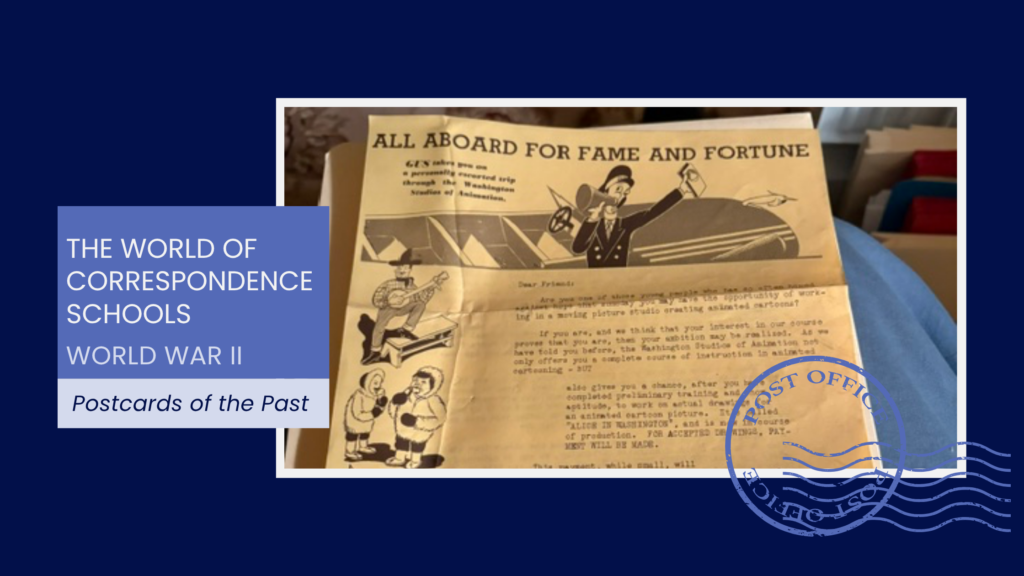
The World of Correspondence Schools
This advertisement from my father’s papers represents something that was once a familiar part of American life—the correspondence school. Long before online courses, instructional videos, or even widespread community colleges, companies promised that almost anyone could learn a new skill and perhaps begin a new career without ever entering a classroom. This advertisement came from the Washington […]
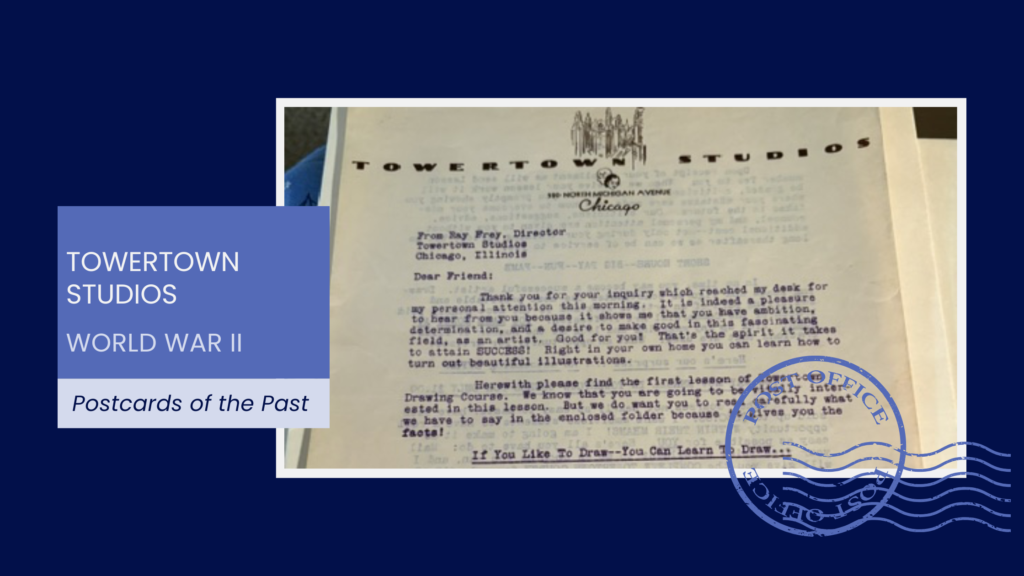
Towertown Studios
Among my father’s papers is this letter from Towertown Studios in Chicago promoting a correspondence course in drawing. By itself, it might seem like nothing more than an old piece of advertising mail. But knowing when my father received it gives it a much more personal meaning. This was part of the mail arriving while […]
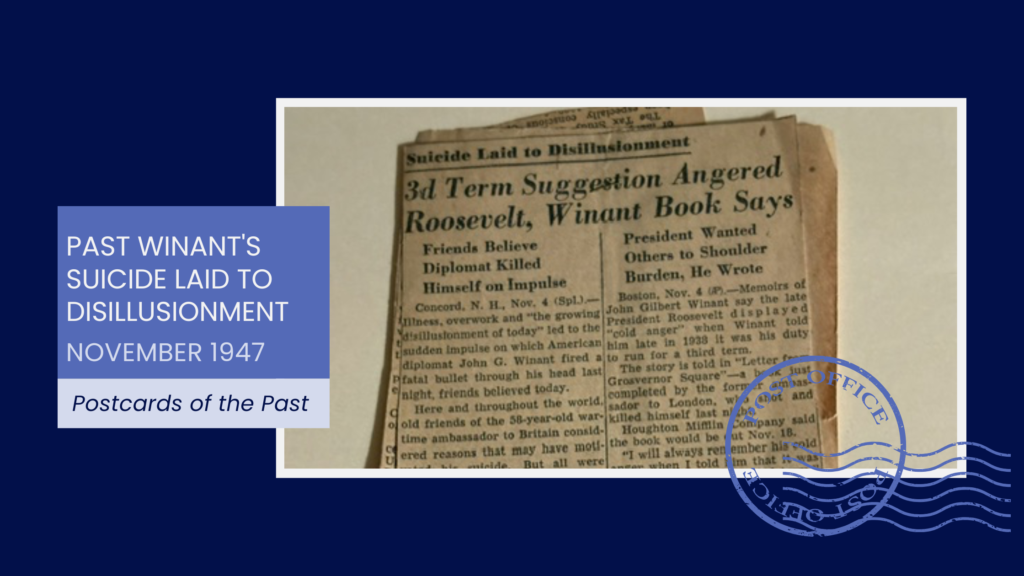
Past Winant’s Suicide Laid to Disillusionment
Among my mother’s papers is this badly worn newspaper clipping from November 1947. At first glance, the dramatic headline about the death of former New Hampshire governor John Gilbert Winant dominates the story. But reading further, I realized that much of the article is about Winant’s recently published book, Letter from Grosvenor Square, and what […]
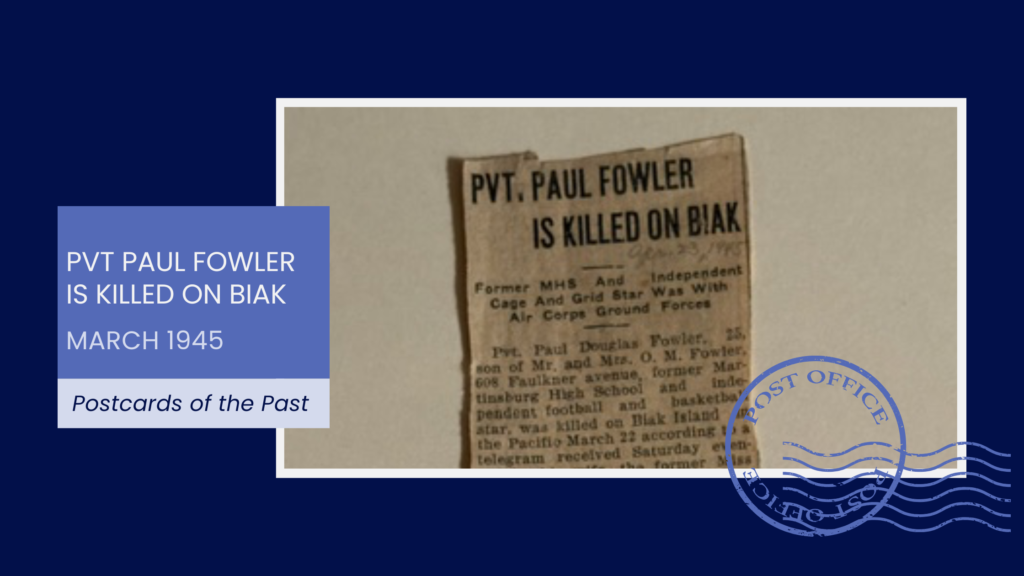
Pvt Paul Fowler is Killed on Biak
Among my parents’ papers is this newspaper clipping announcing the death of Pvt. Paul Donald Fowler, a young man from Martinsburg, West Virginia, who was killed on Biak Island in the Pacific during World War II. The headline is stark: “Pvt. Paul Fowler Is Killed on Biak.” Fowler was 25 years old and serving with […]
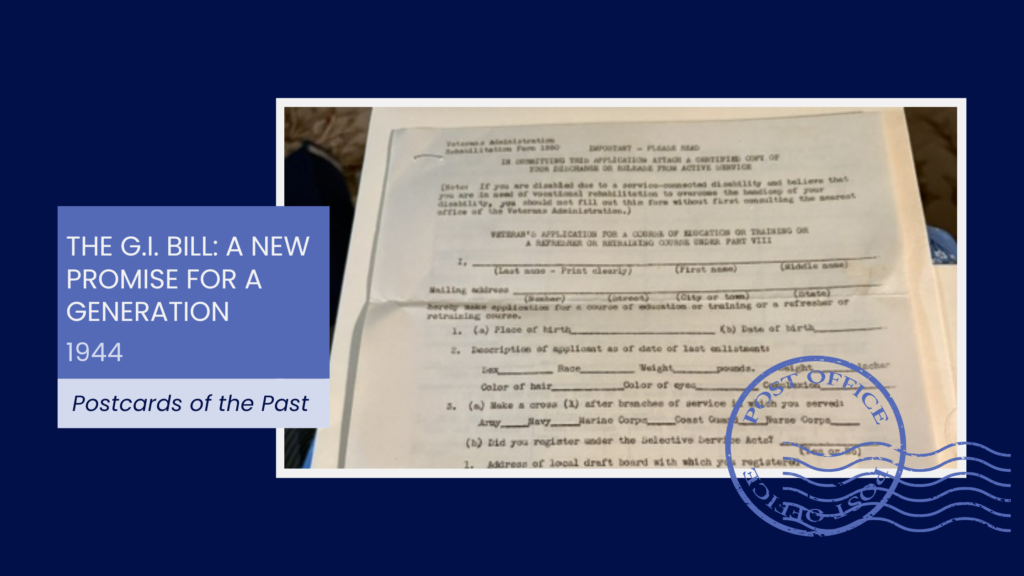
The G.I. Bill: A New Promise for a Generation
Among the papers my parents left behind is this Veterans Administration application for educational benefits under the Servicemen’s Readjustment Act of 1944, better known as the G.I. Bill. At first glance, it is simply a government form. But in many ways, it is one of the most important documents in twentieth-century American history. Signed into […]
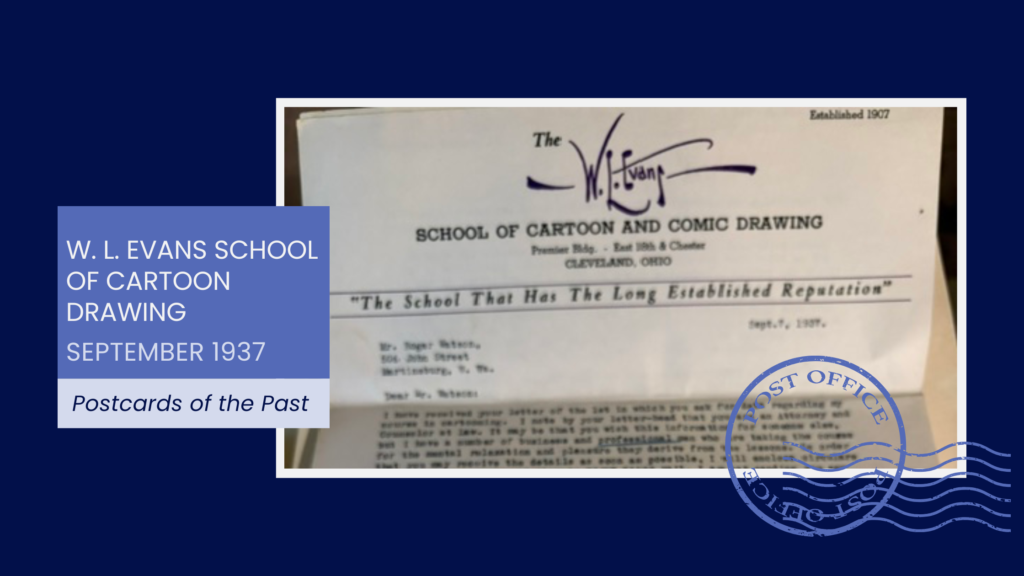
W. L. Evans School of Cartoon Drawing
Among my father’s papers is another piece of correspondence from his teenage years, this one from the W. L. Evans School of Cartoon and Comic Drawing in Cleveland, Ohio. At first glance it appears to be another promotional letter encouraging a young man to enroll in a correspondence course. Looking more closely, however, it reveals […]
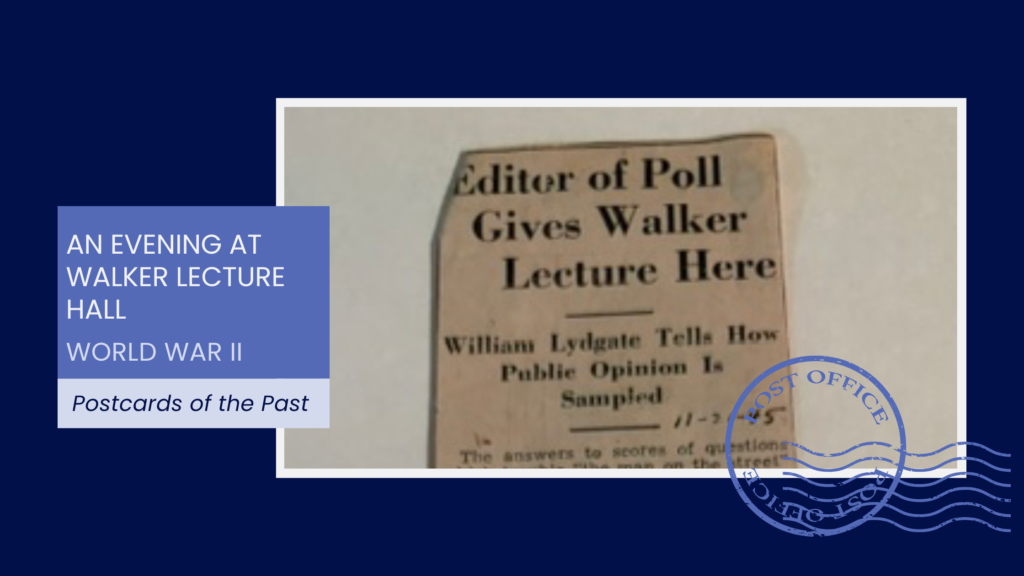
An Evening at Walker Lecture Hall
Several years ago, I wrote about Walker Lecture Hall in Concord and its long tradition of bringing nationally known speakers to New Hampshire. Finding this newspaper clipping brought that history to life. Rather than simply describing the hall, it preserves one evening when William Lydgate, an editor with the Gallup Poll, spoke about the emerging […]
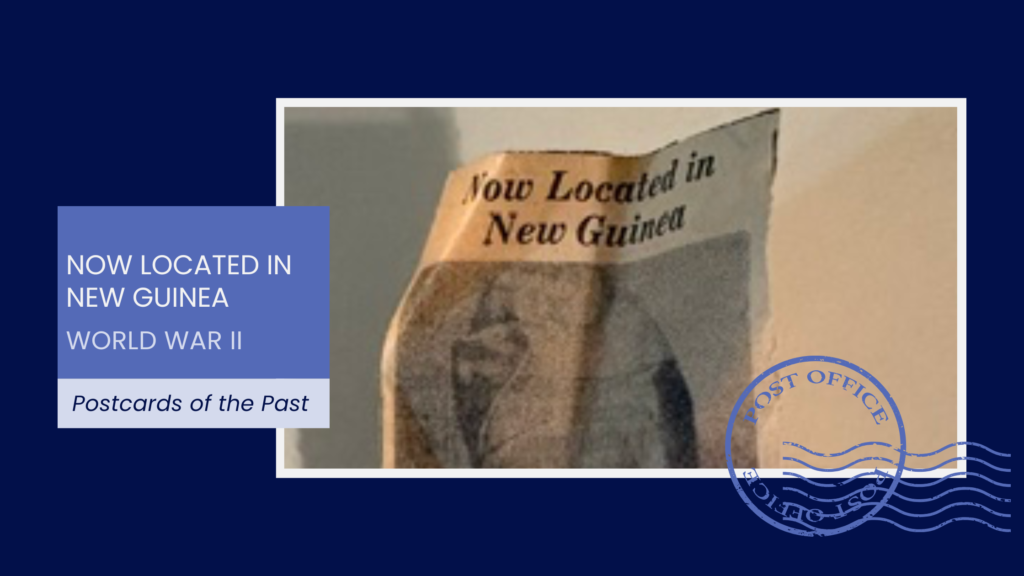
Now Located in New Guinea
Among my family’s papers is this small newspaper clipping from World War II. At first glance, it is easy to overlook. It is only a few inches long and contains just a brief paragraph about Private Harold V. Thompson. Yet documents like this remind us how closely communities followed the lives of the young men […]

