Hometown Stories
There is something grounding about knowing the place you call home: its landmarks, quiet corners, familiar roads, and the stories layered beneath everyday life. Whether we grew up there or found our way there later, towns shape our understanding of community. They provide a sense of continuity and belonging that often remains with us long after we leave.
My Hometown Stories began with the places most closely connected to my own life and family. As the collection has grown, however, so has my understanding of what a hometown can be. It is not only where we were born or where we currently live. It can also be a community we return to over the years or a place we discover while traveling that invites us to slow down and learn more.
When visiting a new community, I enjoy leaving the main road to explore its town center, historic neighborhoods, public buildings, churches, cemeteries, museums, and preserved landscapes. Courthouse squares, old mills, general stores, monuments, plaques, and small historical markers often reveal stories that would otherwise remain unnoticed. They show us not only what happened in a town, but also what its residents value and how they have chosen to remember their past.
These stories are my way of looking more closely at the communities we visit and sharing what I discover. Each one begins with a place, but ultimately becomes a story about people; those who established the community, those who sustained it, and those who continue deciding what will be preserved and carried forward.
States & Provinces
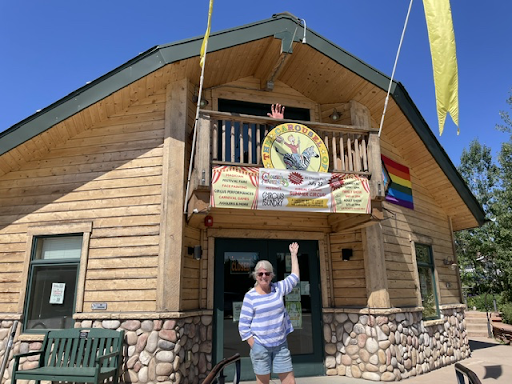
Colorado
Colorado became the thirty-eighth state in 1876, one hundred years after the signing of the Declaration of Independence, earning it the name “Centennial State.” Its history has been shaped by Indigenous peoples including the Ute, Cheyenne, and Arapaho, as well as Spanish exploration, western migration, mining, railroads, ranching, and the growth of communities throughout the Rocky Mountains and surrounding plains. I have had many opportunities to explore Colorado because our daughter lives there. Our visits have taken us beyond the state’s well-known mountain scenery and into its historic towns, museums, national parks, and preserved landscapes. My Hometown Stories reflect both Colorado’s history and the personal connection that continues to bring our family back.
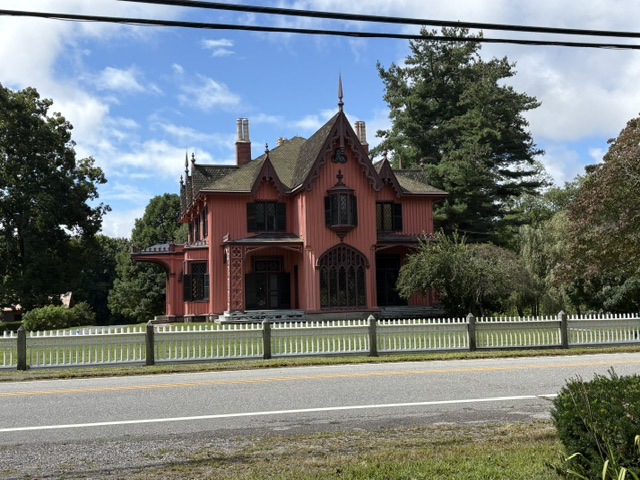
Connecticut
Connecticut was one of the thirteen original colonies and became the fifth state to ratify the United States Constitution in 1788. Known as the Constitution State, its history reflects English colonial settlement, agriculture, maritime commerce, manufacturing and industrial development. Although Connecticut is one of the nation’s smallest states, its cities and towns preserve stories connected to the country’s colonial beginnings, struggle for independence, maritime heritage, industrial growth and changing communities. My Hometown Stories provide an opportunity to explore this history and discover the places that give the Constitution State its distinctive character.
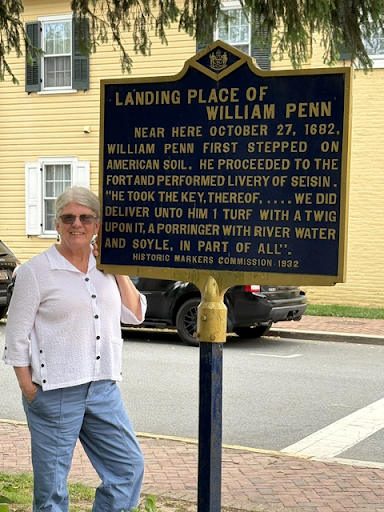
Delaware
Delaware was one of the thirteen original colonies and became known as the First State when it was the first to ratify the United States Constitution in 1787. Its history reflects the presence of the Lenape and Nanticoke peoples, Dutch and Swedish settlement, English colonial rule, agriculture, maritime commerce, and industrial development. Although Delaware is the nation’s second-smallest state, its towns preserve stories connected to the country’s colonial beginnings, struggle for independence, commercial growth, and changing communities. My Hometown Stories provide an opportunity to explore this history and discover the places that give the First State its distinctive character.
Florida
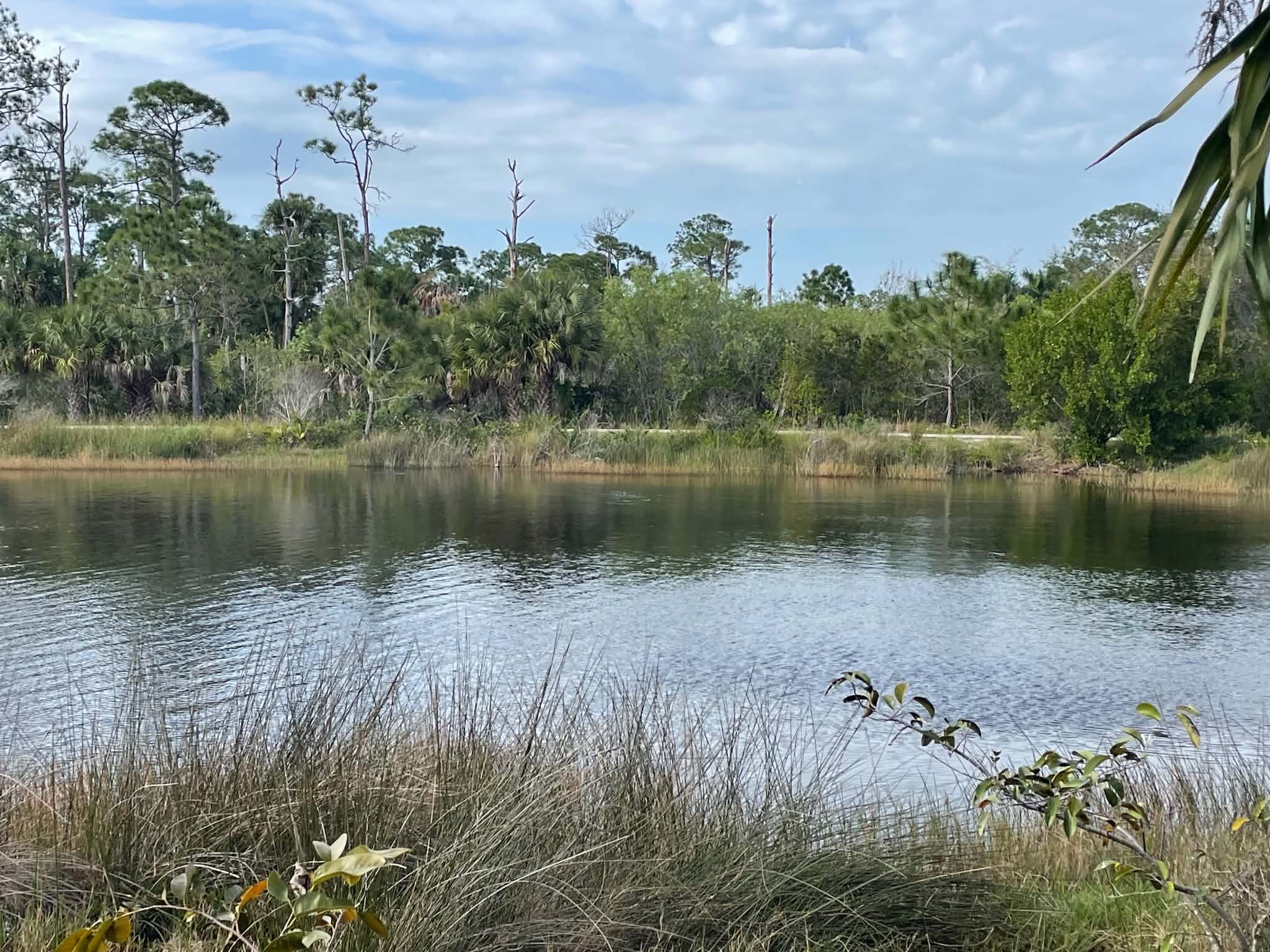
Florida became the twenty-seventh state in 1845. Its history has been shaped by Spanish settlement, maritime commerce, agriculture, immigration, and tourism. From the early streets of St. Augustine to the cigar factories of Ybor City, its communities preserve stories of people who established settlements, built industries, and brought cultural traditions to the peninsula. Railroads later opened new routes through the state, encouraging the growth of coastal cities and resort communities. Our travels through Florida have provided opportunities to explore its historic neighborhoods, homes, forts, museums, gardens, and waterfronts. These places reveal how the state developed through changing economies and generations of newcomers. Beyond its familiar beaches and attractions, Florida’s towns and cities offer distinctive histories that add another dimension to each visit.

Maine
Maine became the twenty-third state in 1820 after separating from Massachusetts. Its history has been shaped by the Wabanaki people, its long Atlantic coastline, fishing and shipbuilding communities, forests and lumber industries, and generations of people who established farms, villages, and ports across the state. My connection to Maine began during childhood, when I spent my summers in York. Those early experiences created a lasting attachment to its beaches, rocky coastline, and coastal communities. Over the years, I have returned to explore Maine’s small towns, historic homes, museums, forts, and lighthouses. My Hometown Stories reflect both the state’s history and the personal memories that continue to draw me back.
Massachusetts
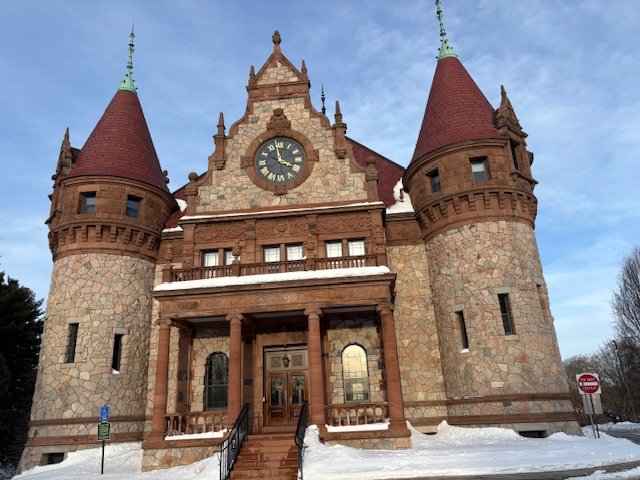
Massachusetts has played a central role in the American story, from the arrival of the Pilgrims at Plymouth and the growth of the Massachusetts Bay Colony to the opening battles of the American Revolution at Lexington and Concord. Its towns also preserve the history of maritime trade, immigration, industry, abolition, education, literature, and the changing life of New England. Massachusetts is also my home. Its cities, villages, historic houses, town commons, museums, cemeteries, monuments, and landscapes have shaped my life and provided many of my Hometown Stories. These are places I have visited throughout the years, often with my family, discovering that history is not confined to famous landmarks. It remains present in the communities and ordinary places all around us.

New Brunswick
New Brunswick is one of Canada’s three Maritime provinces and was among the four original provinces that formed the Canadian Confederation in 1867. Part of the traditional territories of the Mi’kmaq, Wolastoqiyik and Peskotomuhkati peoples, its history has also been shaped by Acadian, Loyalist, Irish, Scottish and other communities. Fishing, forestry, shipbuilding, agriculture and maritime trade have all influenced its development. New Brunswick is Canada’s only officially bilingual province. Our travels through New Brunswick introduced us to communities shaped by their forests, rivers and relationship with the sea. My Hometown Stories explore its coastal landscapes, historic towns, cultural traditions and natural landmarks while sharing the history that gives the province its distinctive character.
New Hampshire
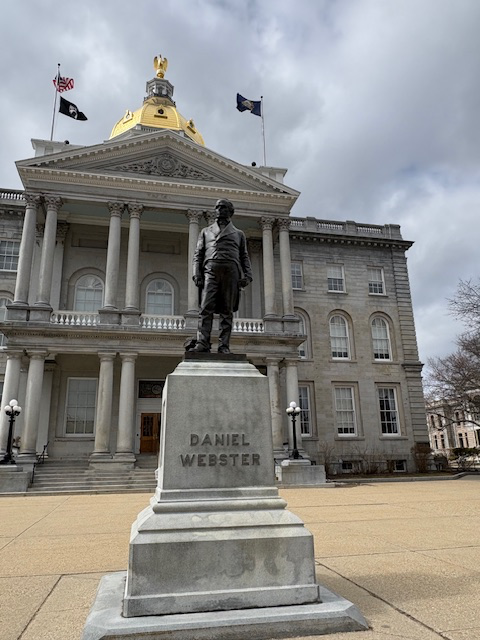
New Hampshire was one of the thirteen original colonies and became the ninth state to ratify the United States Constitution in 1788. Its history has been shaped by the Abenaki people, colonial settlement, farming, textile and manufacturing industries, and communities extending from its short Atlantic coastline to the White Mountains. New Hampshire is also where my own story began. I was born in Concord, where my mother and her family had deep roots. My Hometown Stories explore the towns, historic homes, museums, monuments, and landscapes of the state while preserving the family memories that make New Hampshire an important part of my personal history.

Nova Scotia
Nova Scotia is one of Canada’s three Maritime provinces and was among the four original provinces that formed the Canadian Confederation in 1867. Part of the traditional territory of the Mi’kmaq, its history has also been shaped by Acadian, Scottish, African Nova Scotian, Loyalist, and other communities. Fishing, shipbuilding, maritime trade, coal mining, and the province’s strategic position on the Atlantic have all influenced its development. Our travels through Nova Scotia introduced us to communities shaped by their close relationship with the sea. My Hometown Stories explore its harbors, lighthouses, historic towns, museums, and protected landscapes while sharing the history and traditions that give the province its distinctive character.
Pennsylvania
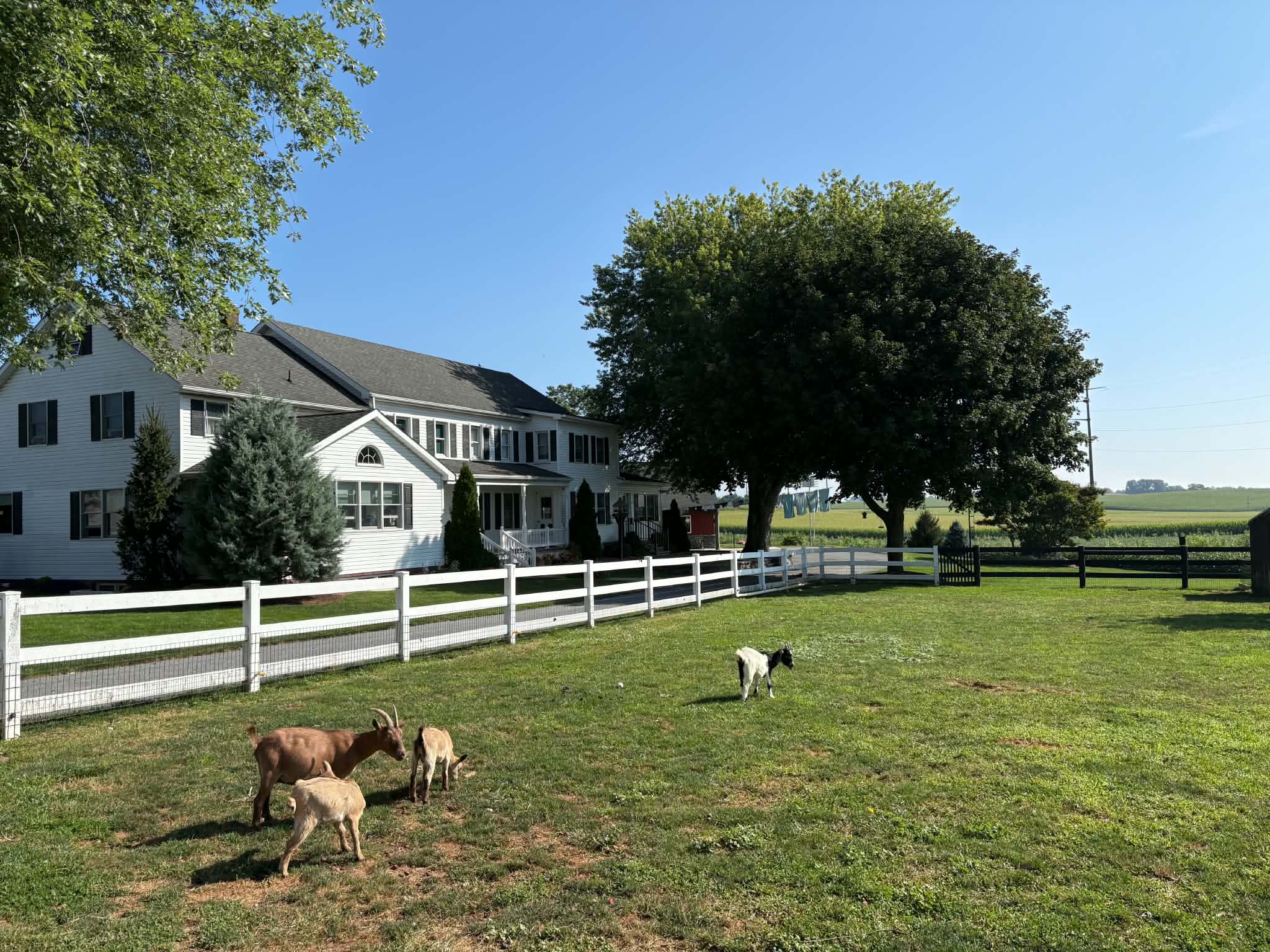
Pennsylvania was founded by William Penn in 1681 and became the second state to ratify the United States Constitution in 1787. Its history has been shaped by the Lenape people, Quaker ideals of religious tolerance, the founding of the nation in Philadelphia, the Civil War, immigration, agriculture, coal mining, railroads, and industrial growth. Our travels through Pennsylvania have taken us into historic cities, small towns, battlefields, museums, and preserved landscapes. My Hometown Stories explore the communities and people that connect Pennsylvania to the founding of the country, its industrial development, and many of the defining events in American history.
Prince Edward Island
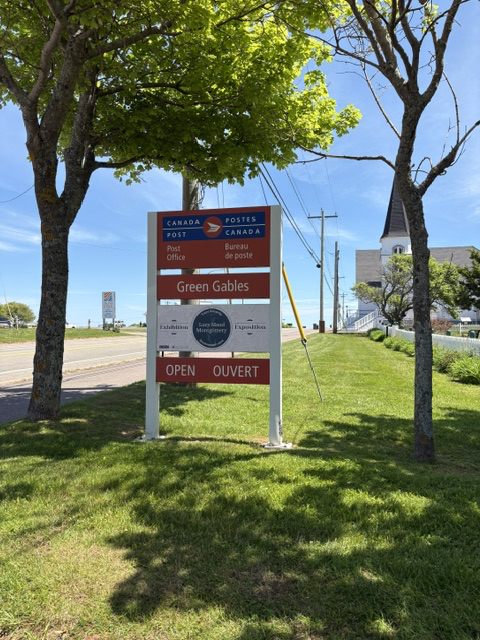
Prince Edward Island, known to the Mi’kmaq as Epekwitk, is Canada’s smallest province. Its history has been shaped by the Mi’kmaq people, French and British settlement, Acadian culture, immigration from Scotland and Ireland, agriculture, fishing, and shipbuilding. The Charlottetown Conference of 1864 helped begin the discussions that led to Canadian Confederation, although the island did not join Canada until 1873. Prince Edward Island is also closely associated with Lucy Maud Montgomery and her beloved novel Anne of Green Gables. The island’s farms, wooded paths, villages, and coastline inspired Montgomery’s fictional community of Avonlea and continue to attract readers from around the world. Our travels allowed us to experience both the island’s history and the landscapes that gave life to Anne’s story. My Hometown Stories explore these literary connections alongside the communities and traditions that give Prince Edward Island its distinctive character.
Rhode Island
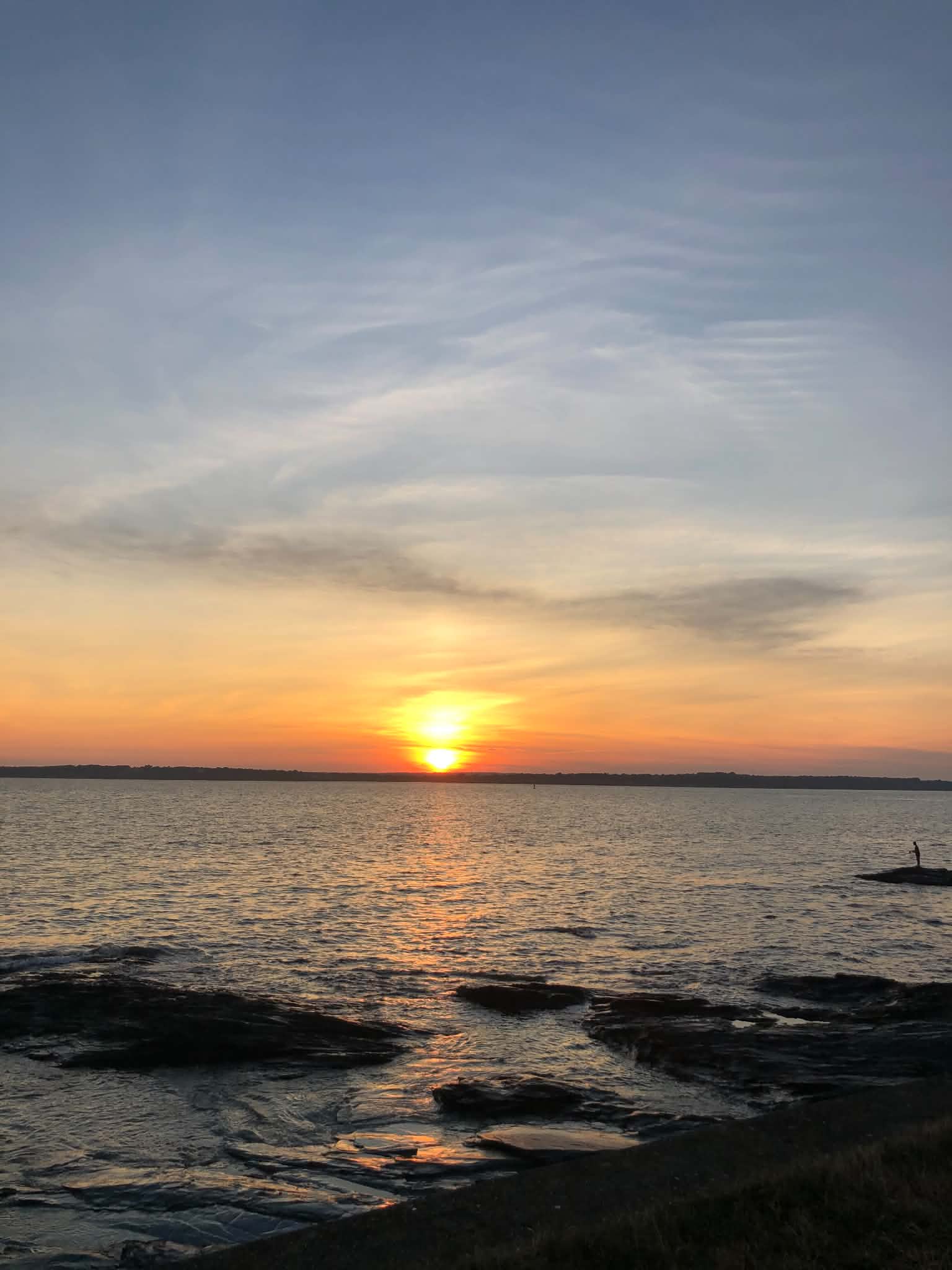
Rhode Island was founded by Roger Williams in 1636 as a place where people could practice their religion without government interference. The colony received a royal charter in 1663, became the first to declare its independence from Great Britain in 1776, and was the last of the original thirteen states to ratify the United States Constitution in 1790. Its history has been shaped by religious freedom, maritime trade, agriculture, the transatlantic slave trade, textile manufacturing, immigration, and the growth of its coastal communities and mill villages. Our travels through Rhode Island have taken us into historic cities, coastal towns, rural villages, museums, preserved homes, former centers of industry, and the grand Newport estates that reflect the wealth and social life of the Gilded Age. My Hometown Stories explore the communities and people that connect Rhode Island to the development of religious liberty, the growth of maritime commerce, the beginnings of American industrialization, the excesses and inequalities of the Gilded Age, and the everyday lives of those who helped shape the Ocean State.

