Plymouth, MA
Plymouth was settled by the passengers of the Mayflower in 1620, making it one of the earliest permanent English settlements in New England. Known as “America’s Hometown”, Plymouth is forever connected to the Pilgrims, Plymouth Rock, the Mayflower, and the story of the first Thanksgiving, as well as the much older history of the Wampanoag people who inhabited this region for thousands of years before the Pilgrims arrived.
Today, its waterfront, historic homes, burial grounds, monuments, and preserved landscapes allow us to explore more than four centuries of history. Plymouth is especially meaningful to us because it is close enough to home that we have returned many times, yet there always seems to be another piece of its remarkable story waiting for us to discover.
Recent Posts
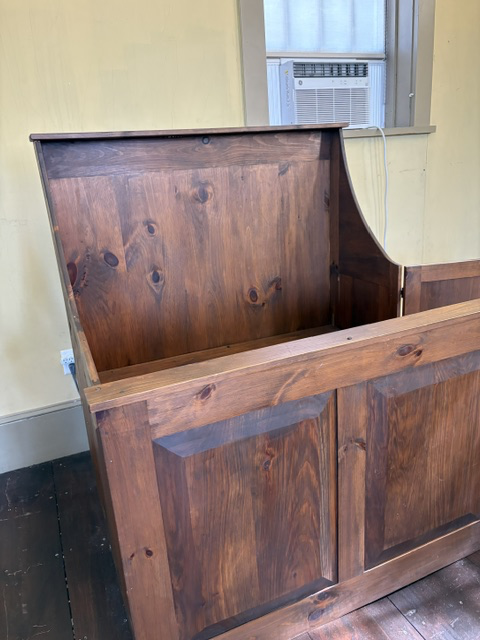
Court Crier Box
Inside the 1749 Court House, this simple wooden enclosure caught my attention. It is a reconstruction of a court crier’s box, representing the place occupied by an official whose voice once helped keep the business of the courtroom moving. The court crier had a surprisingly important role. He was responsible for maintaining order, announcing the […]
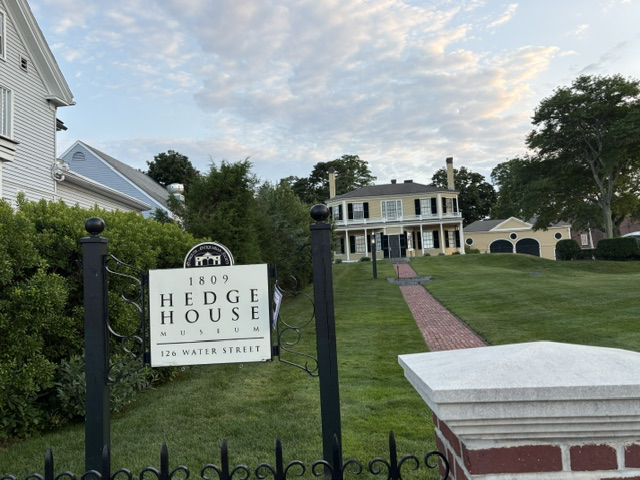
Hedge House
Along Water Street, not far from Plymouth Harbor, stands the elegant Hedge House, a reminder that Plymouth’s story extends far beyond the arrival of the Mayflower. Built in 1809, nearly two centuries after the founding of the colony, the house represents a very different period in the town’s history when Plymouth had developed into a […]
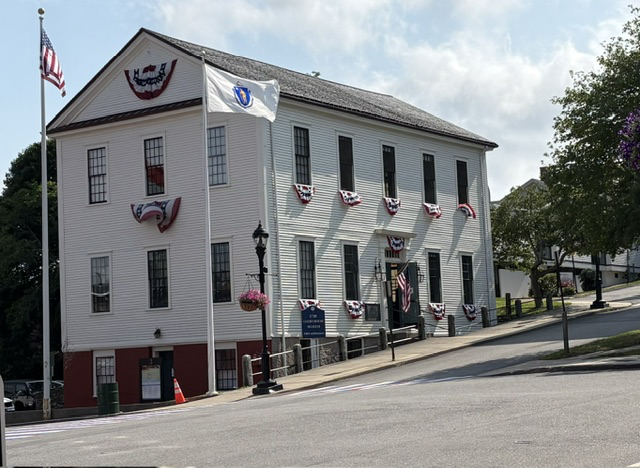
1749 Court House
Standing at the top of Town Square is Plymouth’s historic 1749 Court House, a building that has witnessed nearly three centuries of the town’s civic life. Erected in 1749, when Plymouth was still part of the Province of Massachusetts Bay under British rule, it served as the courthouse for Plymouth County and is believed to […]
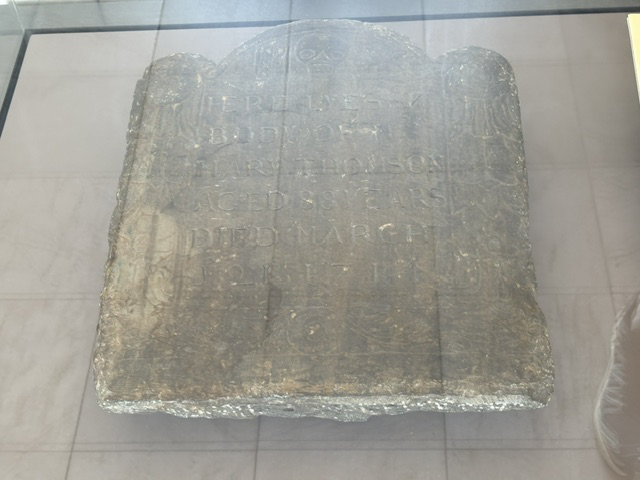
Mary Cooke Thompson Gravestone
Among the artifacts at Pilgrim Hall Museum is this early New England gravestone for Mary Cooke Thompson, a woman with a direct connection to one of the Mayflower families. Mary was the daughter of Mayflower passenger Francis Cooke and his wife, Hester Mahieu. Mary was born in Leiden in the Netherlands, where the English Separatist […]
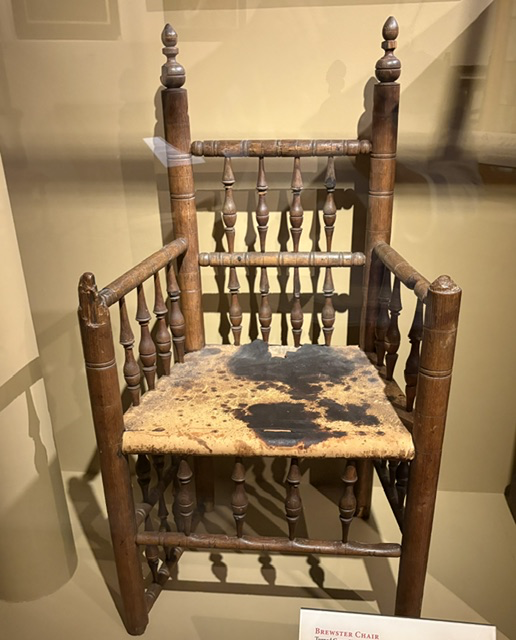
Brewster Chair
Among the objects in the Pilgrim Hall Museum, this simple wooden chair caught my attention. Known as the Brewster Chair and dating from approximately 1630–1670, it is believed to have belonged to William Brewster, one of the Mayflower passengers and the spiritual leader of Plymouth Colony. Brewster was already about 54 years old when he […]
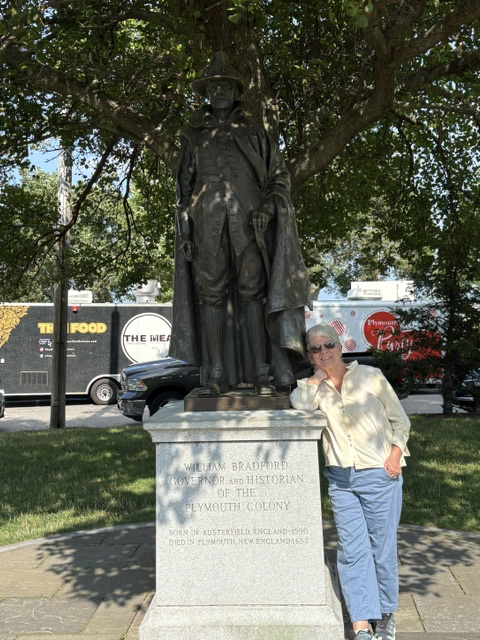
William Bradford Statue
Standing near Plymouth Harbor is this imposing statue of William Bradford, one of the most important figures in the story of Plymouth Colony. Bradford crossed the Atlantic aboard the Mayflower in 1620 and, after the death of Governor John Carver the following spring, was elected governor of Plymouth Colony. He would serve in that position […]
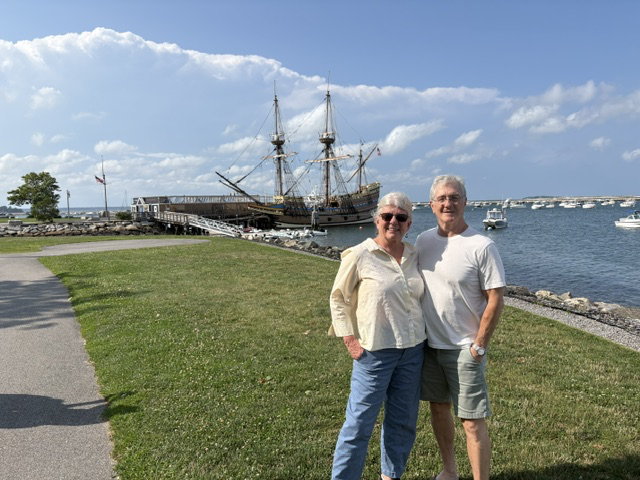
The Mayflower
Standing along the Plymouth waterfront, Mayflower II immediately connects the town to the story that has defined it for more than four centuries. The ship behind us is not the original Mayflower, but a full-scale reproduction built in England and sailed across the Atlantic in 1957 as a symbol of friendship between the United States […]
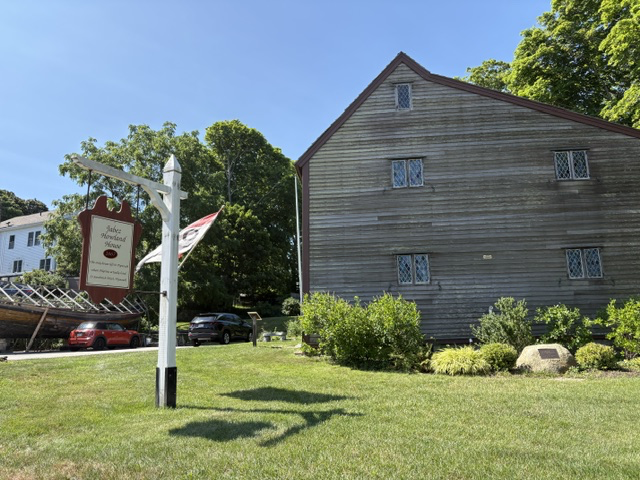
The Jabez Howland House
Among the many historic houses in Plymouth, the Jabez Howland House has a distinction that makes it extraordinary. Built about 1667, it is considered the only surviving building in Plymouth where people who actually arrived aboard the Mayflower are known to have spent time. Those people were John Howland and his wife, Elizabeth Tilley Howland. […]

