History Around Us
I have been drawn to the quiet reminders of the past: the statues, monuments, plaques, weathered stones, and unexpected objects that preserve the memory of people and events. All my life, I have stopped to look at them, read their inscriptions, and wonder why they were placed there and whose story they were meant to tell.
These reminders can be found almost anywhere: beside a courthouse, in a town common, along a roadside, inside a public building, or tucked into a corner that most people pass without noticing. Some commemorate events that changed a nation, while others remember a local resident, a vanished industry, an earlier building, or an ordinary moment in community life.
Each one raises questions. Who decided this person or event should be remembered? Why was this particular place chosen? What did the monument mean to the generation that created it, and does it carry the same meaning today? Sometimes the story is clearly explained. At other times, a few words on a plaque become the beginning of a much larger search.
History is all around us, woven into the places we travel and the communities we call home. Here, I share some of the markers, memorials, objects, and surviving traces that have caught my eye and encouraged me to stop, look more closely, and discover the stories they hold.

Countries
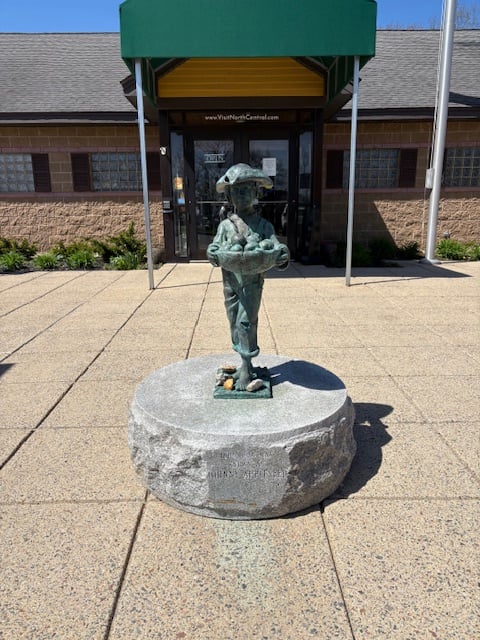
United States of America
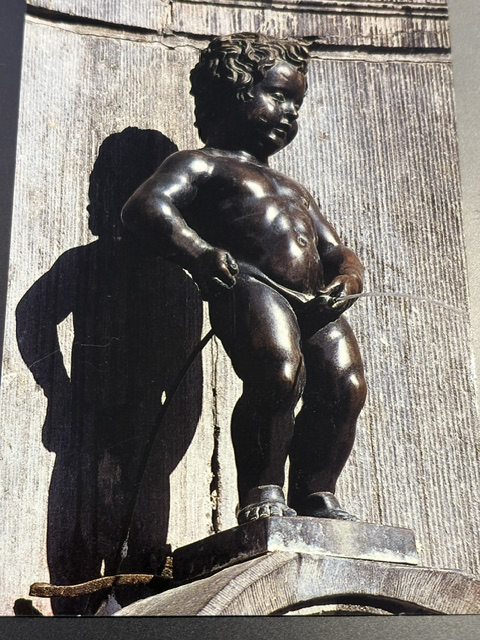
Belgium
Belgium is a small country in northwestern Europe bordered by France, Germany, Luxembourg, the Netherlands, and the North Sea. It became an independent nation in 1830 and is a federal constitutional monarchy. Brussels is the capital, while Antwerp is the largest city. Belgium has three official languages—Dutch, French, and German—and its landscape ranges from coastal plains in the north to the wooded hills of the Ardennes in the southeast. Belgium’s central location has given it an important place in European history. Its medieval cities became prosperous centers of trade and textile production, and during the nineteenth century Belgium became the first country in continental Europe to industrialize. The country was invaded during both world wars, and several major battles were fought on its soil. After the Second World War, Belgium helped establish organizations promoting European cooperation, and Brussels became home to principal institutions of the European Union and the headquarters of NATO.
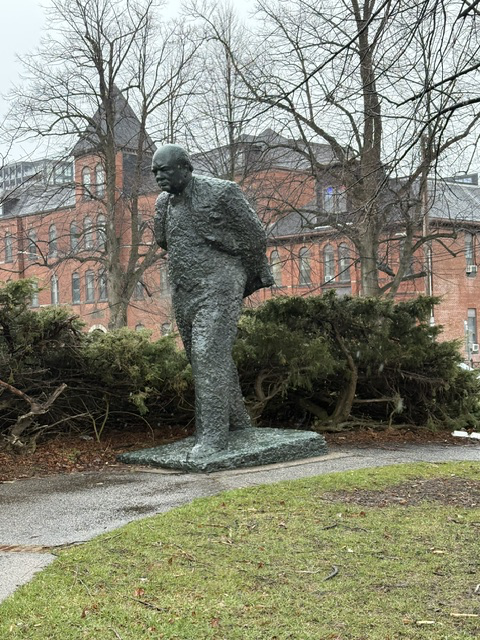
Canada
Canada is the second-largest country in the world by total area and extends from the Atlantic Ocean to the Pacific Ocean and north to the Arctic Ocean. It consists of ten provinces and three territories and shares its southern and northwestern border with the United States. Ottawa is the capital, Toronto is the largest city, and English and French are the official languages. Canada is a federal parliamentary democracy and constitutional monarchy whose vast landscape includes forests, prairies, mountains, lakes, tundra, and the world’s longest coastline. French and British colonies established many of Canada’s earliest European settlements, and Britain gained control of most French territory in the region in 1763. Canada was created as a self-governing dominion within the British Empire in 1867, when Ontario, Quebec, Nova Scotia, and New Brunswick formed a federation. Other provinces and territories joined over time, extending the country across the continent. Canada gradually gained full legislative independence, particularly through the Statute of Westminster in 1931 and the Constitution Act of 1982.
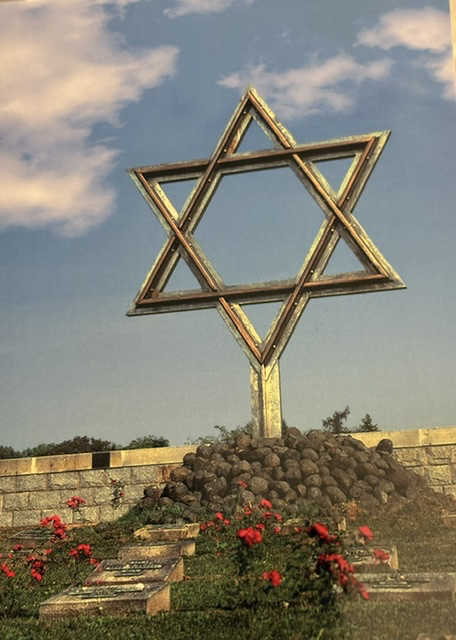
Czechia
Czechia, officially the Czech Republic, is a landlocked country in Central Europe bordered by Germany, Poland, Slovakia, and Austria. Prague is both its capital and largest city. The country includes the historic regions of Bohemia, Moravia, and part of Silesia, with a landscape of rolling plains, wooded hills, river valleys, and mountains along its borders. Czech is the official language. For centuries, the Czech lands formed part of the Kingdom of Bohemia and later the Habsburg Empire. Following the First World War, they joined with Slovakia to establish Czechoslovakia in 1918. The country experienced Nazi occupation during the Second World War and more than four decades of communist rule afterward. The peaceful Velvet Revolution ended communist government in 1989, and Czechia became an independent country when Czechoslovakia separated into the Czech Republic and Slovakia in 1993.
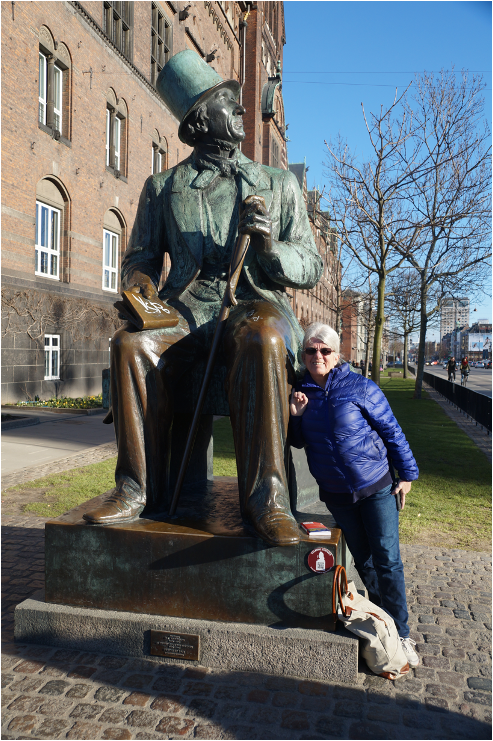
Denmark
Denmark is a country in northern Europe composed of the Jutland Peninsula and more than 400 islands, the largest of which include Zealand and Funen. Copenhagen, located primarily on Zealand, is both the capital and largest city. Denmark is a constitutional monarchy, and Danish is its official language. Its generally low, flat landscape is characterized by farmland, sandy coastlines, harbors, and waterways connecting the North Sea with the Baltic Sea. Denmark developed as a unified kingdom during the Viking Age, when Danish seafarers explored, traded, and established settlements across Europe. It later became the leading power in the Kalmar Union, which joined Denmark, Norway, and Sweden under one monarch. Denmark adopted a constitutional government in 1849 and was occupied by Germany during the Second World War. It became a founding member of NATO in 1949 and joined the European Economic Community, now the European Union, in 1973.
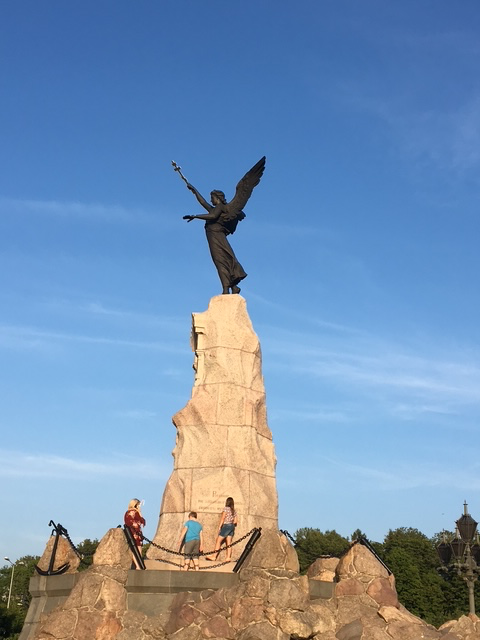
Estonia
Estonia is a country in northeastern Europe bordered by Latvia, Russia, the Gulf of Finland, and the Baltic Sea. Tallinn is both its capital and largest city, and Estonian is the official language. The country has a low, generally flat landscape marked by forests, wetlands, lakes, and more than 2,000 islands. Estonia is the northernmost of the three Baltic countries. Over the centuries, Estonia was governed at different times by Danish, German, Swedish, and Russian powers. It declared independence in 1918 but was occupied and annexed by the Soviet Union in 1940, followed by German occupation and renewed Soviet control. Estonia restored its independence in 1991 following the largely peaceful Singing Revolution. It joined NATO and the European Union in 2004 and has since become known for its advanced digital government and technology sector.
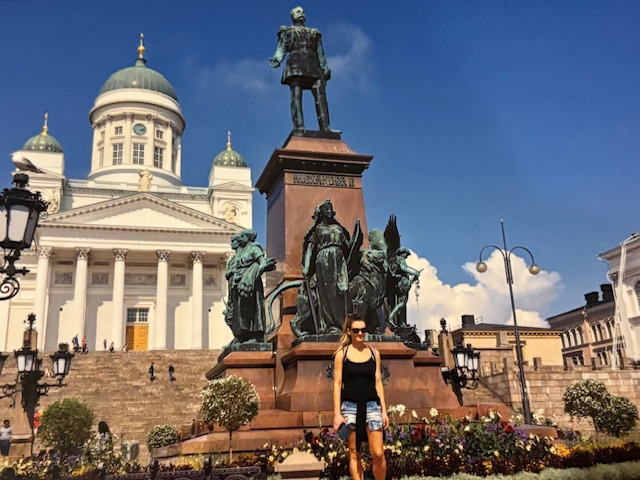
Finland
Finland is a country in northern Europe bordered by Sweden, Norway, Russia, the Gulf of Bothnia, and the Gulf of Finland. Helsinki is both its capital and largest city. Finnish and Swedish are the country’s official languages. Often called the “Land of a Thousand Lakes,” Finland contains nearly 188,000 lakes, extensive forests, numerous islands, and broad areas of wilderness extending north into the Arctic Circle. Finland was governed by Sweden for several centuries before becoming an autonomous grand duchy within the Russian Empire in 1809. It declared independence in 1917 following the Russian Revolution. During the Second World War, Finland defended its independence in conflicts with the Soviet Union, although it was required to surrender some territory. The country remained officially neutral for much of the Cold War, joined the European Union in 1995, and became a member of NATO in 2023.
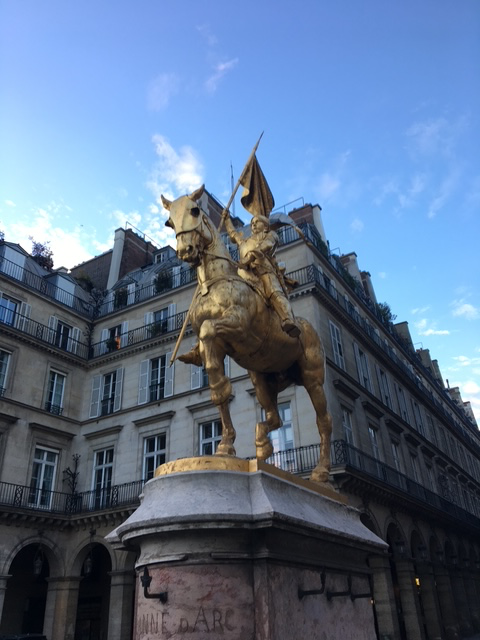
France
France is a country in Western Europe bordered by Belgium, Luxembourg, Germany, Switzerland, Italy, Monaco, Spain, and Andorra. Paris is both its capital and largest city, French is the official language, and the country is governed as a republic. Its varied landscape includes Atlantic and Mediterranean coastlines, broad agricultural plains, major river valleys, and the Alps and Pyrenees mountain ranges. France also includes several overseas regions and territories located around the world. France developed from the medieval kingdom of the Franks and became one of Europe’s most influential monarchies. The French Revolution began in 1789, ended centuries of absolute monarchy, and promoted ideas of liberty, equality, citizenship, and representative government that spread far beyond France. The country later experienced the rise of Napoleon, two world wars, and German occupation during the Second World War. After the war, France helped establish the institutions that eventually developed into the European Union.
Germany
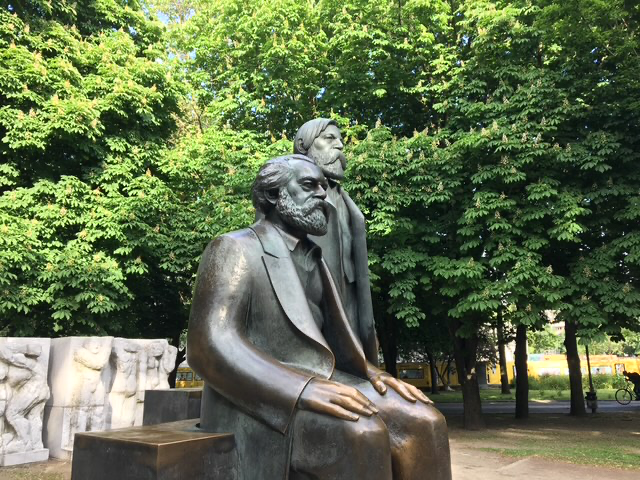
Germany is a country in Central Europe bordered by nine nations as well as the North Sea and Baltic Sea. Berlin is both its capital and largest city, German is the official language, and the country is governed as a federal republic composed of 16 states. Its landscape ranges from the broad northern plains and forested central highlands to the Bavarian Alps in the south. Major rivers include the Rhine, Danube, and Elbe. For centuries, the German-speaking lands consisted of numerous independent kingdoms, duchies, and cities. These territories were unified as the German Empire in 1871. Germany’s defeat in the First World War was followed by political and economic instability, the rise of the Nazi dictatorship, the Holocaust, and the devastation of the Second World War. After the war, Germany was divided into East and West Germany until reunification in 1990. Modern Germany has become a leading European democracy and a central member of the European Union.
Greece
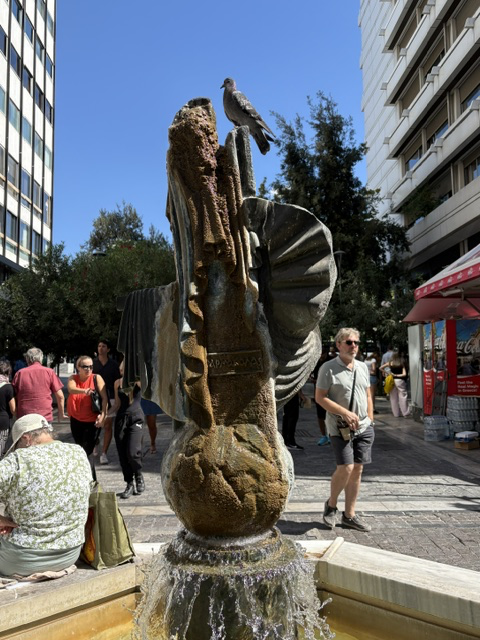
Greece is a country in southeastern Europe situated at the southern end of the Balkan Peninsula. Athens is its capital and largest city, and Greek is the official language. The country includes a mountainous mainland and thousands of islands scattered across the Aegean and Ionian seas. Its long coastline, rugged mountains, fertile valleys and Mediterranean climate have shaped its culture and way of life. Ancient Greece was composed of independent city-states, including Athens and Sparta, whose achievements in government, philosophy, literature, science and the arts profoundly influenced Western civilization. The region later became part of the Roman and Byzantine empires before falling under Ottoman control. Greece began its struggle for independence in 1821 and was recognized as an independent state in 1830. After periods of monarchy, political unrest, war and military rule, democratic government was restored in 1974. Greece joined the European Union in 1981.
Hungary
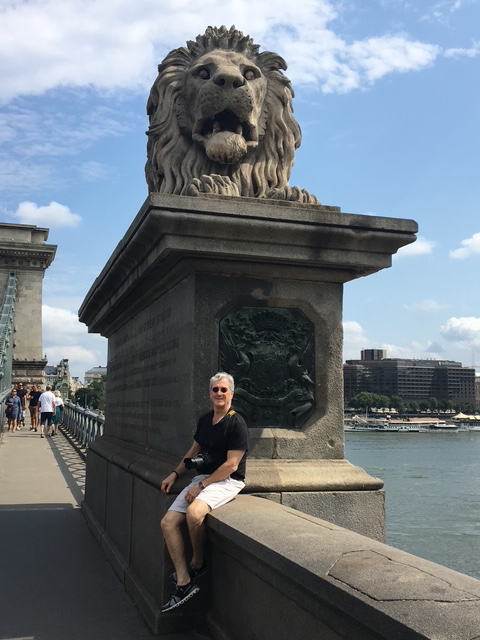
Hungary is a landlocked country in Central Europe situated within the Carpathian Basin. Budapest, located on both sides of the Danube River, is its capital and largest city, and Hungarian is the official language. The country’s landscape includes the Great Hungarian Plain, low mountain ranges, fertile river valleys, and Lake Balaton, the largest lake in Central Europe. The Kingdom of Hungary was established around the year 1000 under King Stephen I and became an important power in medieval Europe. Parts of the country were later controlled by the Ottoman Empire before Hungary came under Habsburg rule. In 1867, it became one half of the Austro-Hungarian Empire, which dissolved after the First World War. Hungary fell under communist rule following the Second World War, and a major uprising against Soviet control was suppressed in 1956. Communist government ended in 1989, and Hungary joined the European Union in 2004.
Iceland
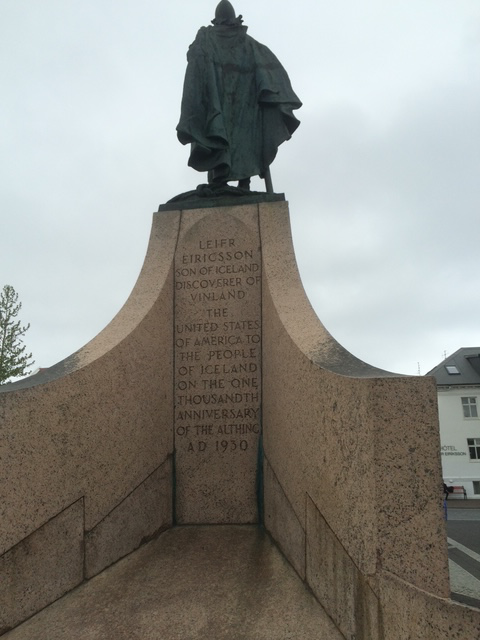
Iceland is an island country in the North Atlantic Ocean, located between Greenland and Norway and just south of the Arctic Circle. Reykjavík is both its capital and largest city, and Icelandic is the official language. Created by volcanic activity along the Mid-Atlantic Ridge, the country has a dramatic landscape of volcanoes, lava fields, glaciers, mountains, waterfalls, and geothermal springs. Much of its population lives along the coast. Iceland was settled primarily by Norse people during the late ninth century. In 930, its settlers established the Althing, one of the world’s oldest surviving parliaments. Iceland later came under Norwegian and then Danish rule. It became a sovereign kingdom united with Denmark under the same monarch in 1918 and declared itself an independent republic in 1944. Iceland’s abundant geothermal and hydroelectric resources have played an important role in its modern development.

