Waltham, MA
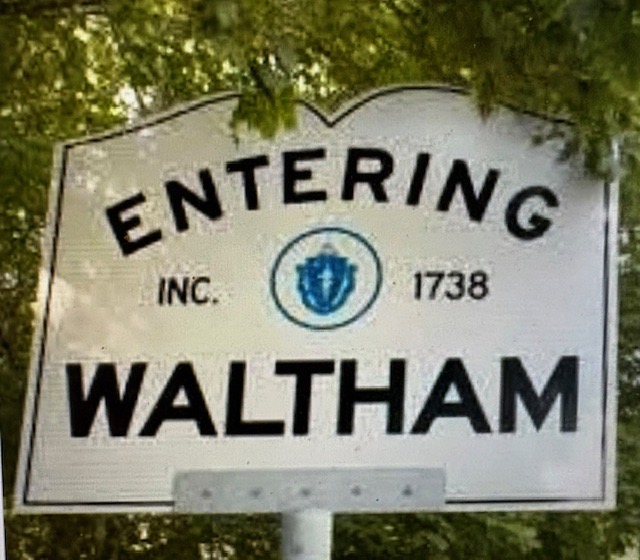
Waltham was incorporated in 1738 and later became a city in 1884, growing from a farming settlement into a center of the American Industrial Revolution known as “Watch City” for the Waltham Watch Company. The power of the Charles River helped shape its industrial identity, leaving a legacy still visible along its riverbanks and downtown streets. Waltham is also personally meaningful to me — it is the city where I practiced chiropractic for many years, becoming part of its evolving community story.
Recent Posts
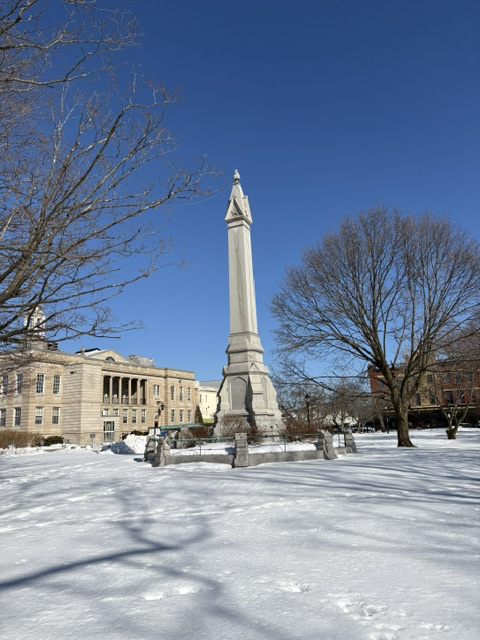
The Soldiers’ Monument
Rising above Waltham Common is the city’s Civil War Soldiers’ Monument, erected in May 1868, only three years after the end of the Civil War. Its prominent location was intentional. Like Civil War monuments on town commons throughout New England, it placed the memory of those who served directly at the center of community life. […]
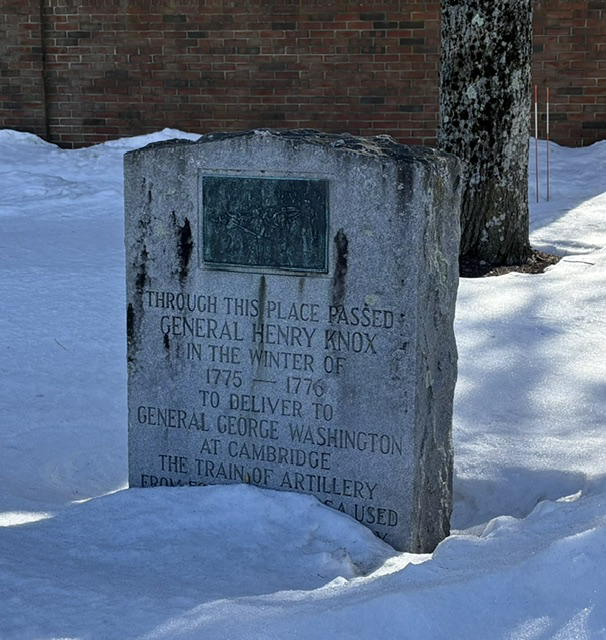
Henry Knox Marker
I have written about General Henry Knox and his remarkable journey across Massachusetts with the “Noble Train of Artillery.” Whenever I come across one of the historical markers commemorating this expedition, I make it a point to stop and photograph it. Although each marker tells the same story, each represents another community that played a […]
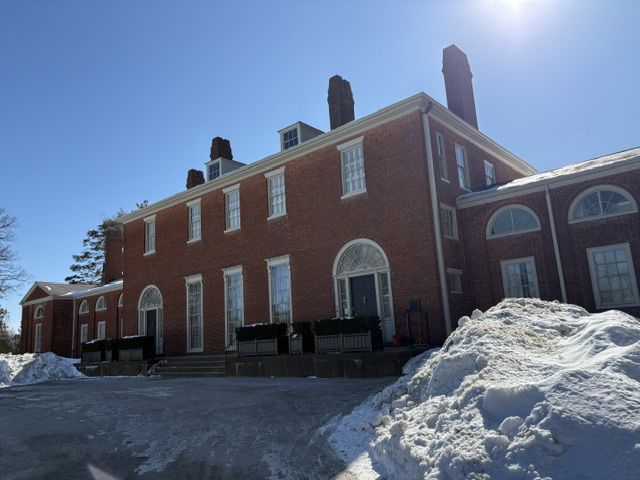
Gore Place
Surrounded by open lawns and mature trees, the Gore Place remains one of the finest surviving Federal-era estates in New England and offers a glimpse into the aspirations of the young American republic. Gore Place was built between 1804 and 1806 for Christopher Gore and his wife, Rebecca Amory Payne Gore. Christopher Gore was one of […]
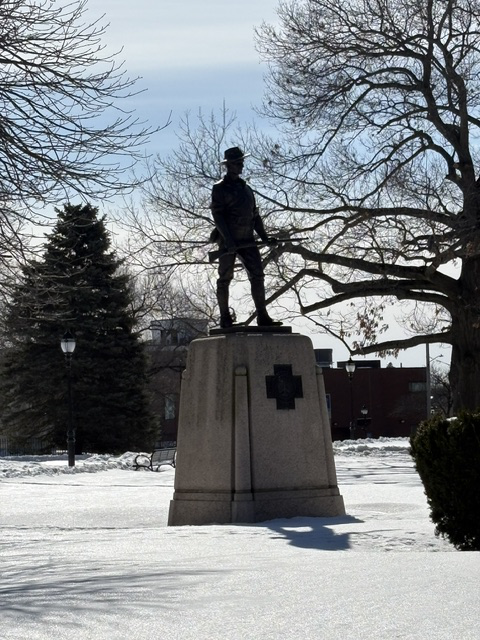
Soldiers and Sailors Monument
Standing prominently on Waltham Common is the Soldiers and Sailors Monument, one of the city’s oldest public memorials and one of the earliest Civil War monuments erected in Massachusetts. The monument was dedicated on May 29, 1868, only three years after the end of the Civil War, at a time when the memories of the conflict […]
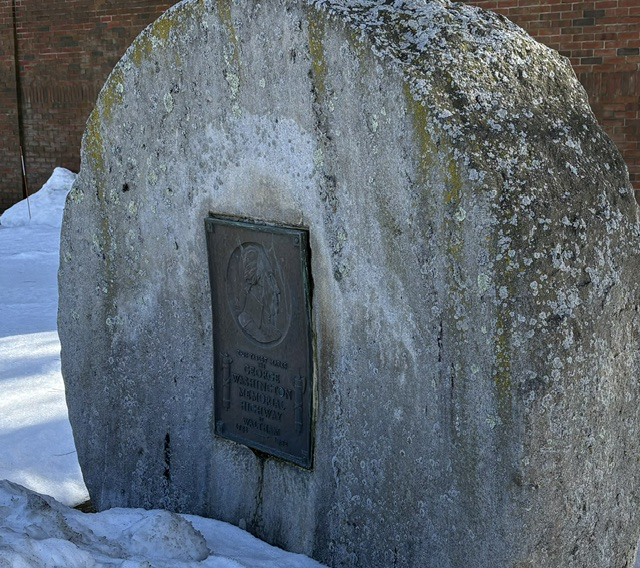
George Washington Memorial Highway Marker
Throughout my travels in New England, I have frequently come across bronze markers identifying the route traveled by General George Washington. They appear in many towns and cities across Massachusetts, commemorating the roads Washington followed as he journeyed to assume command of the Continental Army in 1775 and later as President of the United States […]
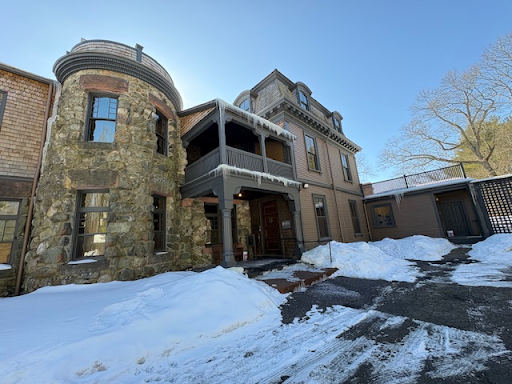
Stonehurst: The Robert Treat Paine Estate
Tucked away in Waltham, Massachusetts, Stonehurst is one of the region’s architectural treasures. The estate was created between 1883 and 1888 for Robert Treat Paine Jr., a prominent Boston lawyer and philanthropist whose father had helped found the Museum of Fine Arts, Boston. Paine envisioned the property not simply as a house, but as a […]
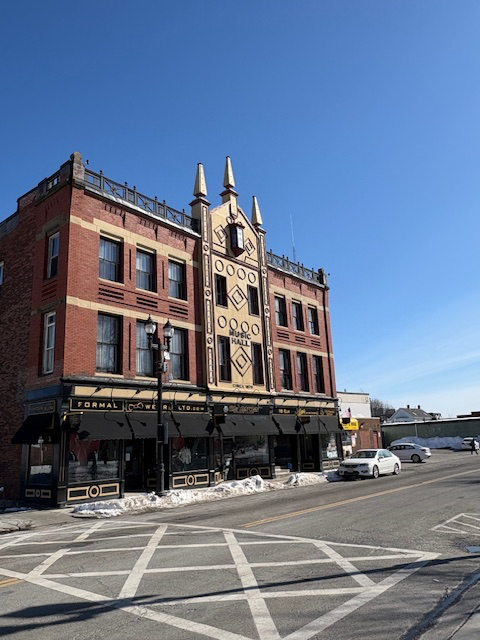
The Music Hall
The ornate facade of the Music Hall rises above the storefronts below with decorative brickwork, pointed finials, and the vertical “Music Hall” sign still prominently centered on the building. This building reflects a period in the late 19th and early 20th centuries when prosperous manufacturing cities built halls like this for concerts, lectures, theatre prosecutions, dances, political meetings […]
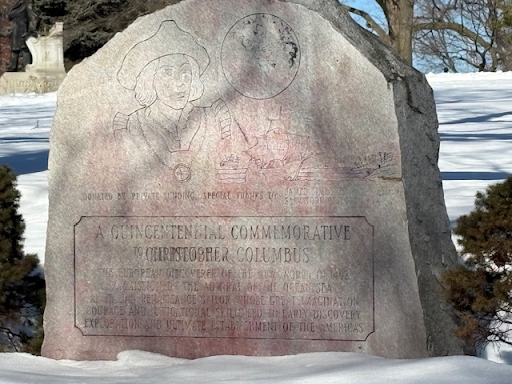
Monument to Columbus
On the Common in Waltham, there is a granite stone set quietly among the other memorials that mark the town’s history. It does not rise high but if you stop and read it, the inscription reads: “A Quincentennial Commemorative to Christopher Columbus. The European discoverer of the New World in 1492…….” The wording continues in a […]
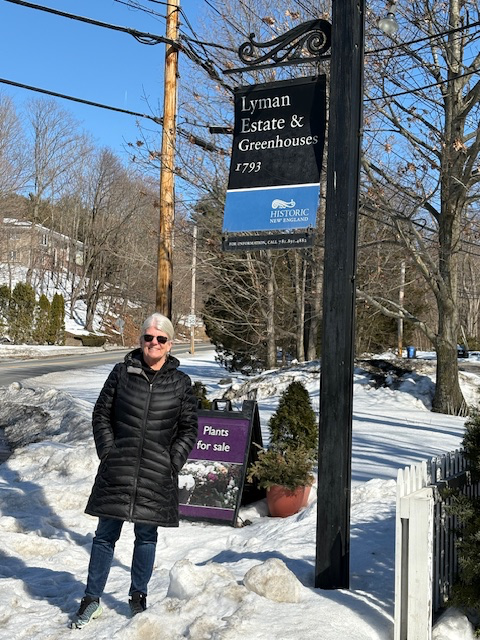
Lyman Estates
In Waltham stands another remarkable site connected to early American horticulture and estate life: The Lyman Estate. This estate preserves one of the finest surviving country houses of the Federal period as well as one of the oldest continuously operating greenhouse complexes in the United States. The estate was built in 1793 for Theodore Lyman, a wealthy Boston […]
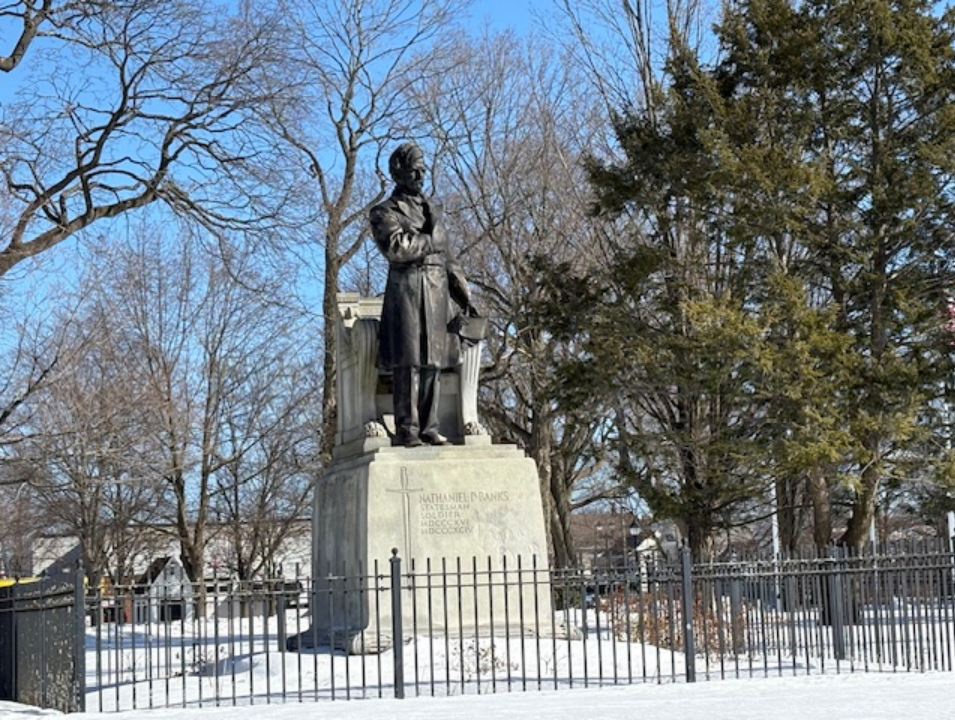
Nathan P. Banks Statue
I stop at statues, sometimes to admire the sculpture itself, but always to ask what about this person’s life was so memorable that a town or community would place their image in such a prominent location. That was certainly true for the large, prominent sculpture I found on the Waltham Common. There, standing in bronze, is […]
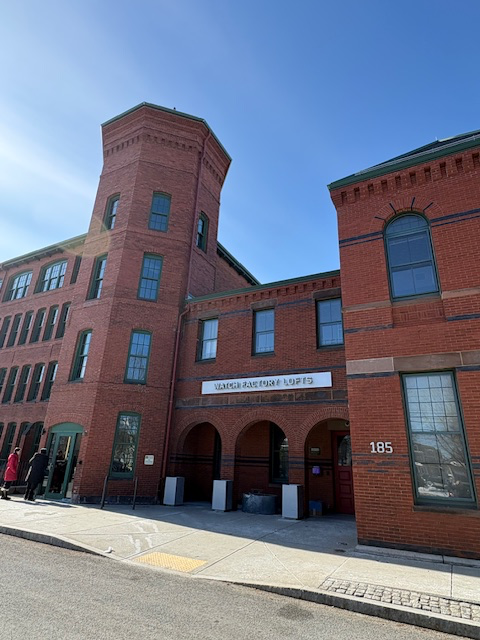
Waltham Watch Company
The great brick factory along the Charles River was once the heart of the Waltham Watch Company, founded in 1850 as the American Horologe Company. It became the first company in the United States to successfully manufacture watches using interchangeable parts, pioneering precision mass production and helping launch the American Industrial Revolution. At its height in […]

