Gore Place
Surrounded by open lawns and mature trees, the Gore Place remains one of the finest surviving Federal-era estates in New England and offers a glimpse into the aspirations of the young American republic.
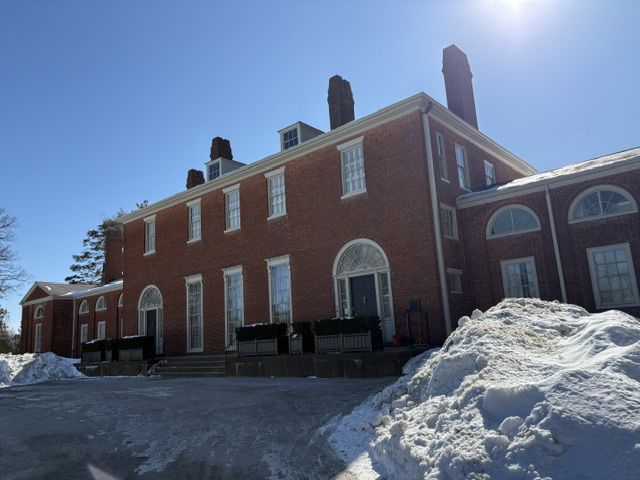
Gore Place was built between 1804 and 1806 for Christopher Gore and his wife, Rebecca Amory Payne Gore. Christopher Gore was one of the most influential Massachusetts statesmen of his day. A lawyer, diplomat, United States Senator, and eventually Governor of Massachusetts, he belonged to the generation of leaders responsible for guiding the nation during its formative years after the Revolution. During his diplomatic service in Europe, Gore became familiar with the grand country estates of England and returned home determined to create a residence that reflected both elegance and modernity.
The resulting mansion was remarkable for its time. Designed in the Federal style, it featured a balanced and symmetrical façade, graceful proportions, and numerous technological innovations rarely found in American homes of the early nineteenth century. The estate served not only as a residence but also as a working farm and a place where the Gores entertained political leaders, diplomats, and prominent members of society.
Rebecca Gore was equally important to the story. Intelligent, well educated, and deeply involved in the management of the household and estate, she maintained extensive correspondence and played an active role in shaping the social and cultural life of the property. Together, the Gores created one of the most distinguished country estates in Massachusetts.
What makes Gore Place especially significant today is that so much of the original estate survives. While many grand Federal-era homes were lost to development or heavily altered, Gore Place retains both its mansion and a substantial portion of its historic landscape. Visitors can still appreciate the relationship between the house, the surrounding grounds, and the agricultural fields that once supported the estate.
More than two centuries after its construction, Gore Place remains a remarkable survivor from the earliest years of the American republic. It tells the story of a nation finding its identity, of leaders who helped shape its future, and of a time when the countryside around Boston was dotted with elegant estates
Read More From Nancy
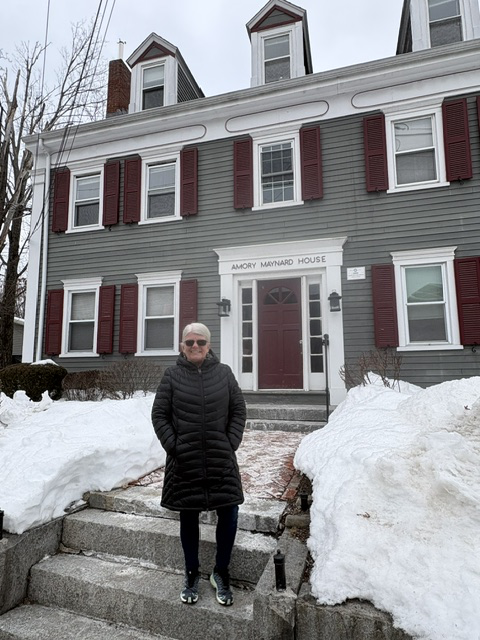
The Amory Maynard House
Standing on Main Street, the Amory Maynard House is one of the most important surviving homes in Maynard. Built around 1845, it was the first residence of Amory Maynard after he and William Knight established the Assabet Woolen Mill. Long before the town bore his name, this house became the center of both his family […]
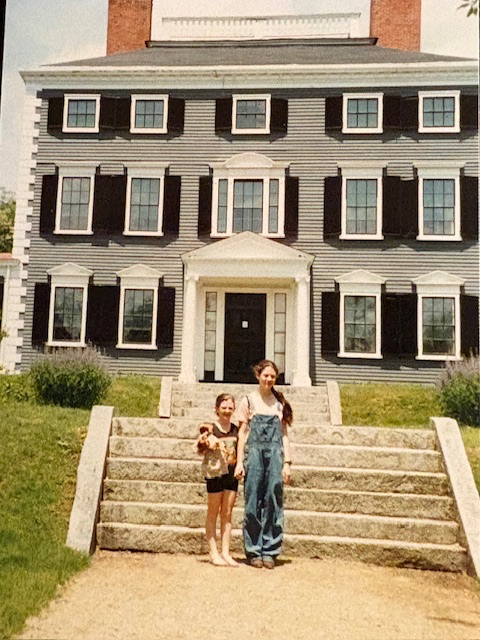
Codman Estate
The Codman House in Lincoln, known as The Grange, stands as one of the most elegant and layered historic homes in Massachusetts, and is another home that we have visited often. There is something about returning to a place like this that deepens appreciation with each visit. Build around 1747, and later expanded, the house […]
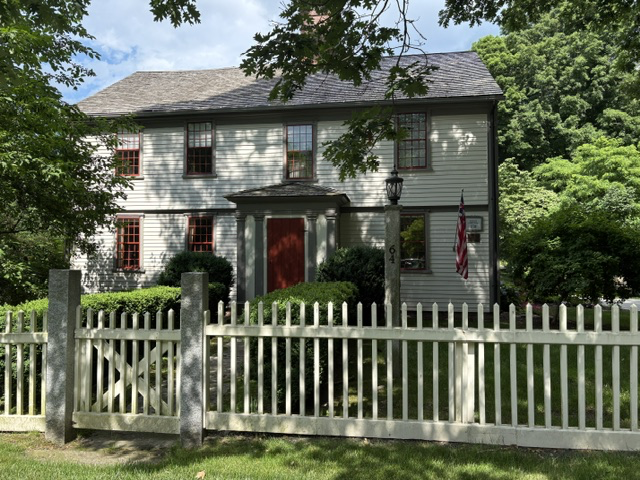
The Jonah and Elizabeth Warren House
Driving along Warren Street in Westborough, this house is easy to admire simply for its age. But its story begins even before Westborough existed as a town and, in an important way, even before European settlement of this area. Jonah Warren and his wife, Elizabeth Seaverns Warren, came from Watertown to the newly developing community […]

