Waltham Watch Company
The great brick factory along the Charles River was once the heart of the Waltham Watch Company, founded in 1850 as the American Horologe Company. It became the first company in the United States to successfully manufacture watches using interchangeable parts, pioneering precision mass production and helping launch the American Industrial Revolution.
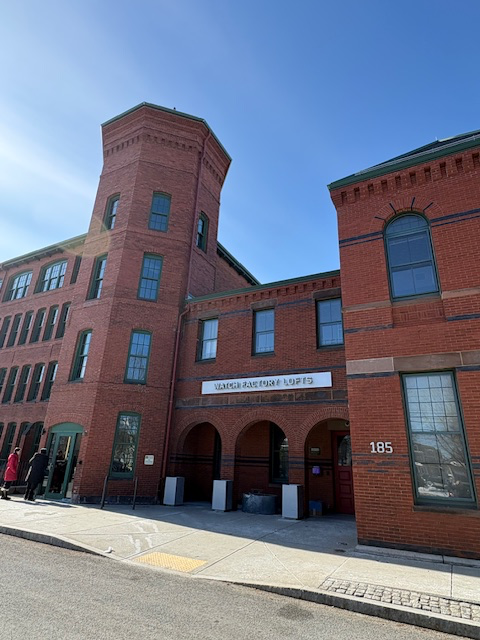
At its height in the late 19th and early 20th centuries, the factory employed over 4,000 workers making it one of the largest watch manufacturers in the world. The company produced millions of timepieces between 1850 and its decline in the 1950s, including high-grade pocket watches, railroad watches known for their precision and reliability, and later wristwatches used by soldiers during World War I.
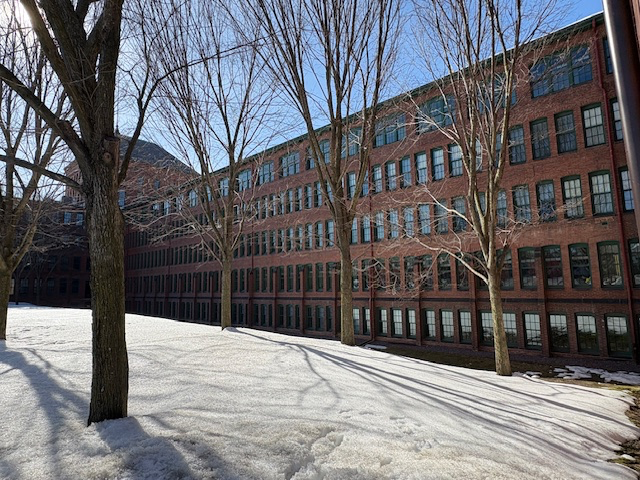
Waltham watches were known for accuracy and craftsmanship. Railroad-grade models such as Vanguard and Crescent Street became industry standards, trusted to keep trains running safely on precise schedules. The company’s influence spread globally, and “Waltham” became synonymous with quality timekeeping.

Production in Waltham gradually declined after World War II, and the factory ceased major operations there by the mid-1950s. Today, the restored mill complex stands as a residential community, but its long brick walls and riverfront setting still echo the era when thousands of workers clocked in each day to manufacture time itself, helping give Waltham its nickname, “Watch City”.

Read More From Nancy
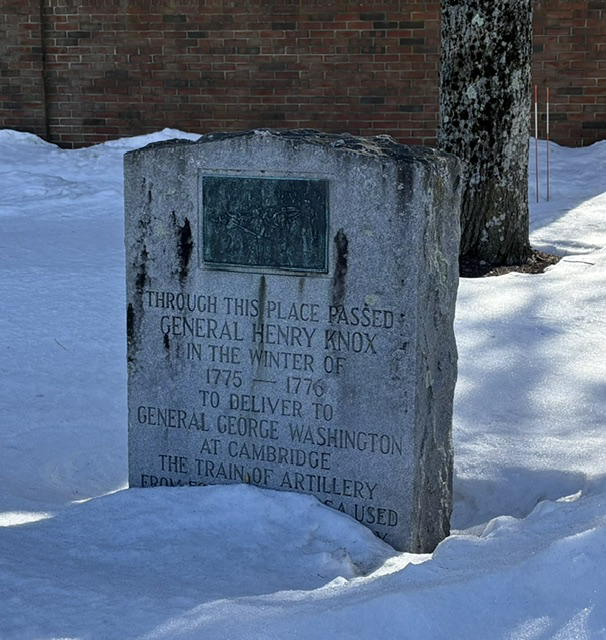
Henry Knox Marker
I have written about General Henry Knox and his remarkable journey across Massachusetts with the “Noble Train of Artillery.” Whenever I come across one of the historical markers commemorating this expedition, I make it a point to stop and photograph it. Although each marker tells the same story, each represents another community that played a […]
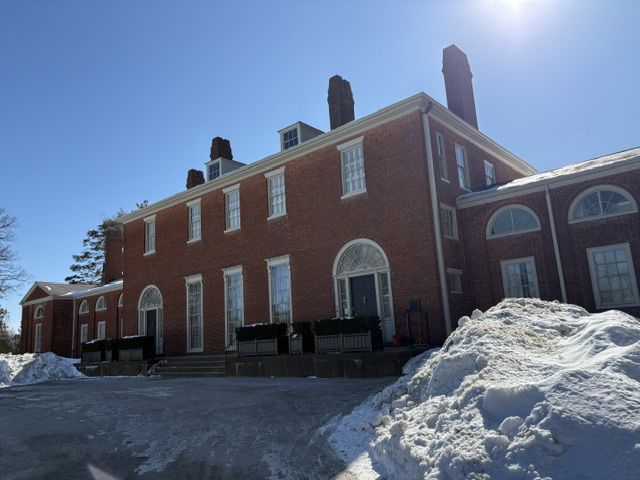
Gore Place
Surrounded by open lawns and mature trees, the Gore Place remains one of the finest surviving Federal-era estates in New England and offers a glimpse into the aspirations of the young American republic. Gore Place was built between 1804 and 1806 for Christopher Gore and his wife, Rebecca Amory Payne Gore. Christopher Gore was one of […]
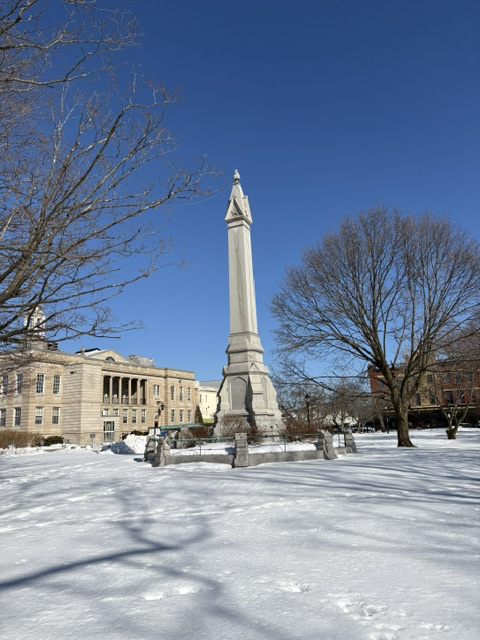
The Soldiers’ Monument
Rising above Waltham Common is the city’s Civil War Soldiers’ Monument, erected in May 1868, only three years after the end of the Civil War. Its prominent location was intentional. Like Civil War monuments on town commons throughout New England, it placed the memory of those who served directly at the center of community life. […]

