Massachusetts
Massachusetts was one of the original thirteen colonies and became the sixth state to ratify the United States Constitution on February 6, 1788. Known as the Bay State, it has Boston as both its capital and largest city. Its geography extends from the Atlantic coastline, Cape Cod, and the islands of Martha’s Vineyard and Nantucket to the river valleys and rolling hills of central Massachusetts and the Berkshire Mountains in the west.
The founding of Plymouth Colony in 1620 and the Massachusetts Bay Colony in 1630 established the region as an important center of colonial life. More than a century later, events in Boston, Lexington, and Concord helped ignite the American Revolution. During the nineteenth century, the state became a leader in manufacturing, education, literature, and social reform, giving Massachusetts an enduring influence on the political and cultural development of the nation.
Recent Articles
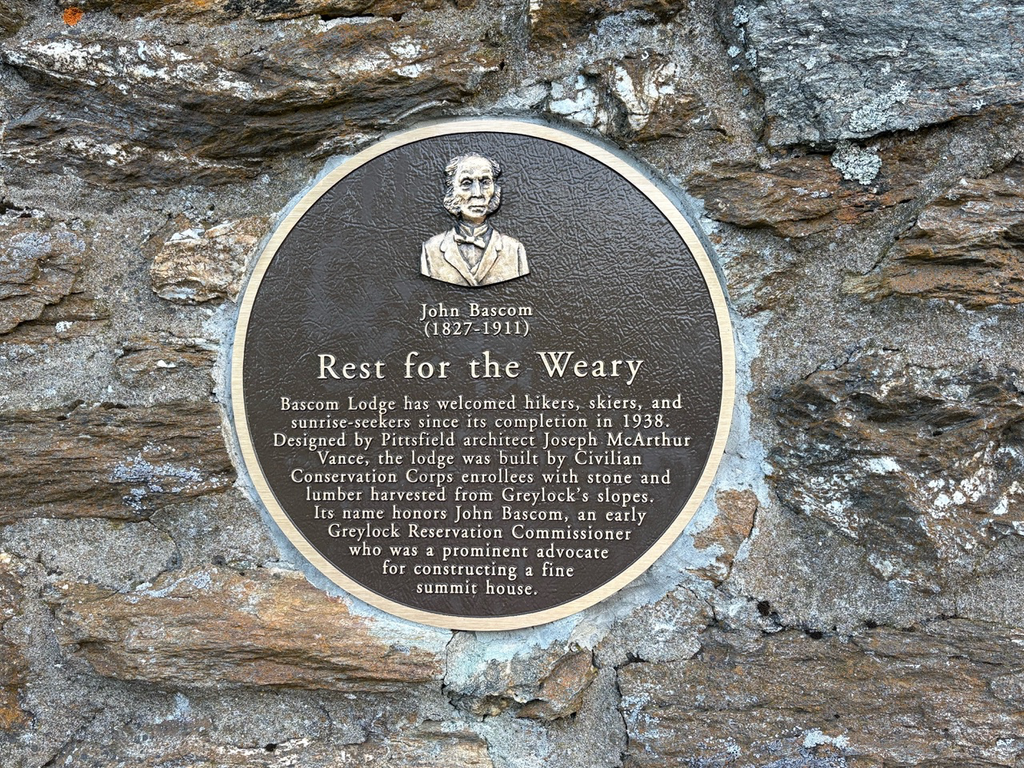
John Bascom Plaque
While exploring Mount Greylock, we stopped at Bascom Lodge, the rustic stone lodge near the summit that has welcomed hikers and travelers since 1938. Sitting directly along the Appalachian Trail, it remains an important stopping place for hikers making their way across Massachusetts, as well as for those of us simply exploring the mountain. While […]
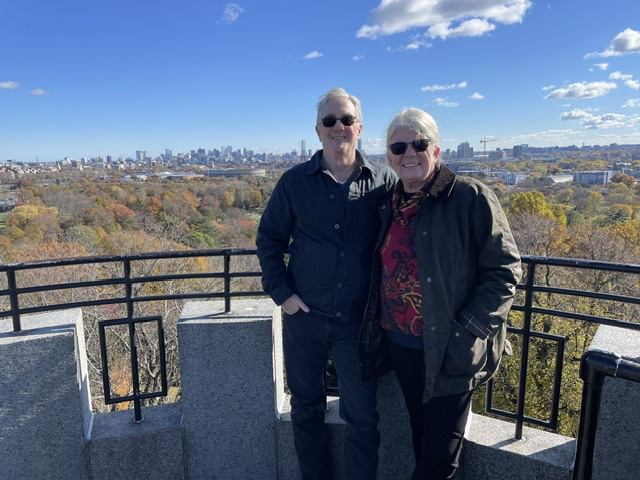
Washington Tower
One of the places Marty and I especially wanted to see at Mount Auburn Cemetery was Washington Tower. We climbed the spiral staircase to the top, and when we stepped outside, we were rewarded with this remarkable view across Cambridge toward the Boston skyline. Surrounded by the brilliant colors of autumn, it was easy to […]
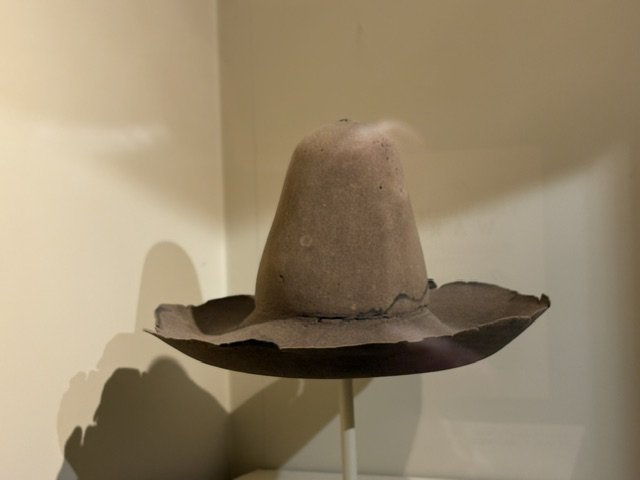
Constance Hopkins’s Beaver Hat
Among the objects we discovered in Plymouth was something remarkably personal: a beaver-felt hat associated with Constance Hopkins, a passenger on the Mayflower. Constance was only about fourteen years old when she crossed the Atlantic in 1620 with her father, Stephen Hopkins, her stepmother Elizabeth, and other members of their family. Unlike many objects displayed […]
The 1917 Allies Flag
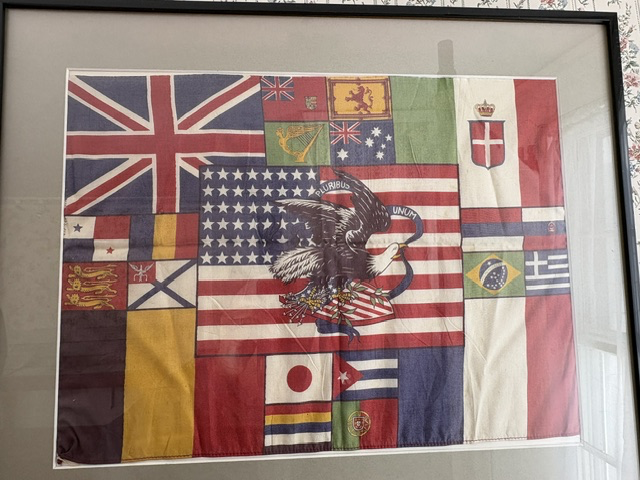
This unusual silk flag, preserved by the Needham History Center & Museum, tells a story not only about World War I, but about how Americans were encouraged to understand the nation’s entry into the conflict. By 1917, Europe had already been at war for nearly three years. The United States had remained officially neutral, but […]
A 1777 Child’s Primer in Revolutionary
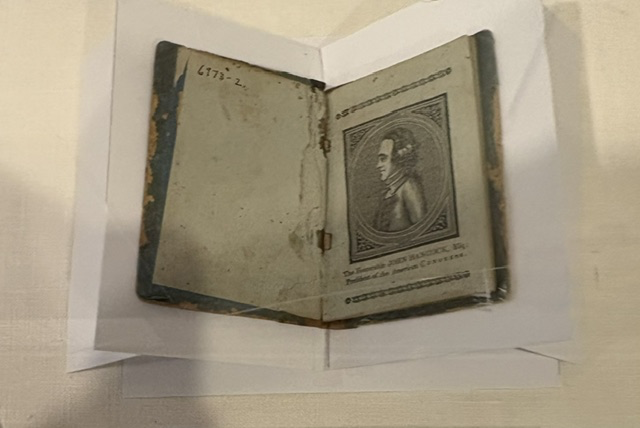
Inside Buckman Tavern in Lexington, I came across this remarkably small book. It is a children’s primer dating from 1777, only two years after the fighting at Lexington and Concord and just one year after the Declaration of Independence. On the first page, John Hancock is identified as a leader of the new nation. That […]
A Grease Horn
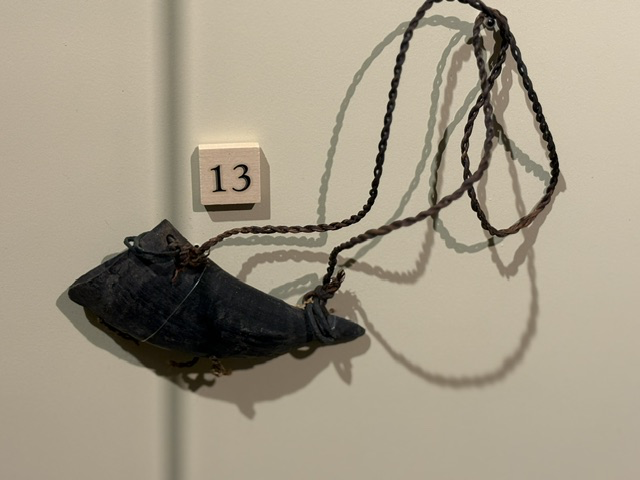
Among all the objects that survive from Plymouth’s earliest years, some of the most interesting are not the rare or elaborate possessions, but the simple tools people used in their daily lives. This small grease horn dates from approximately 1635–1665 and is identified as coming from Plymouth. A grease horn was a practical container, usually […]
The Mayflower Compact
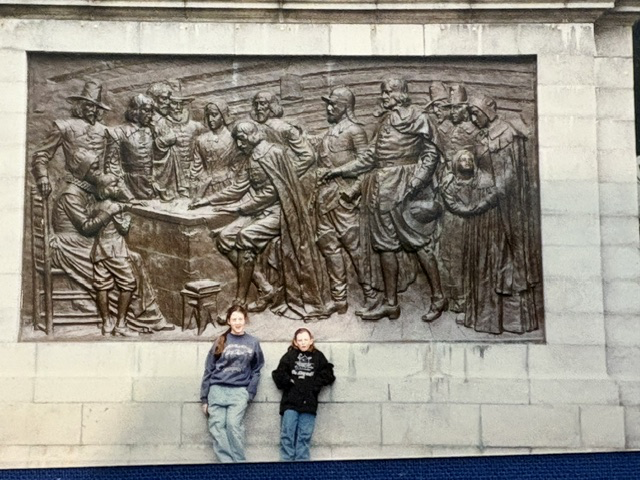
During another of our homeschooling road trips, we drove all the way out to Provincetown to discover an important part of the Pilgrim story that can easily be overshadowed by Plymouth. Before the Mayflower ever reached Plymouth, its passengers first arrived at the tip of Cape Cod. After more than two months crossing the Atlantic, […]
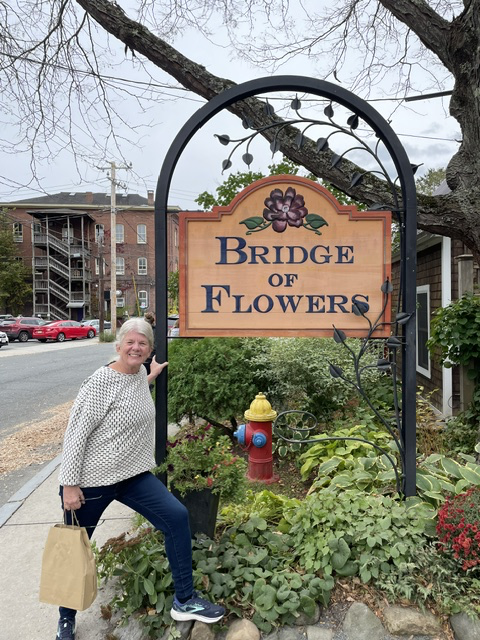
Bridge of Flowers
Some places are created to solve practical problems. Others become places that simply make people smile. The Bridge of Flowers in Shelburne Falls manages to do both. The bridge was originally built in 1908 as the Deerfield River trolley bridge, carrying electric streetcars between Shelburne and Buckland. For years it served as an important transportation link, […]
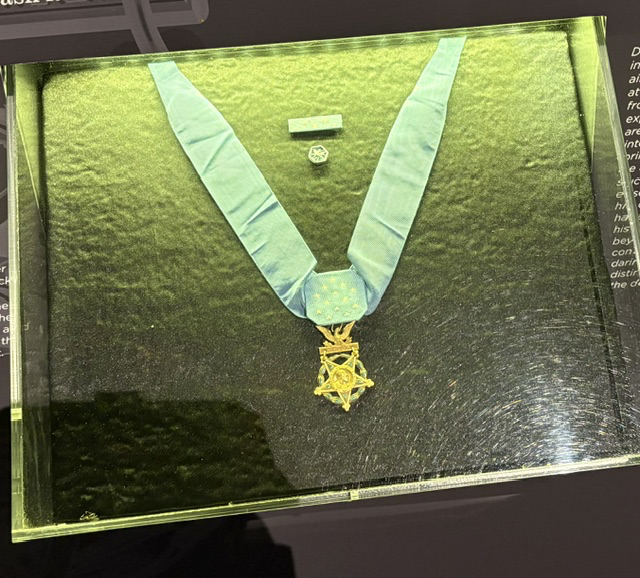
The Medal of Honor
Among all the artifacts displayed at the American Heritage Museum, few carry the emotional weight of the Medal of Honor. Unlike a tank, an aircraft, or a weapon, this small medal represents something that cannot be manufactured or engineered. It symbolizes extraordinary courage in the face of overwhelming danger. Established during the American Civil War […]
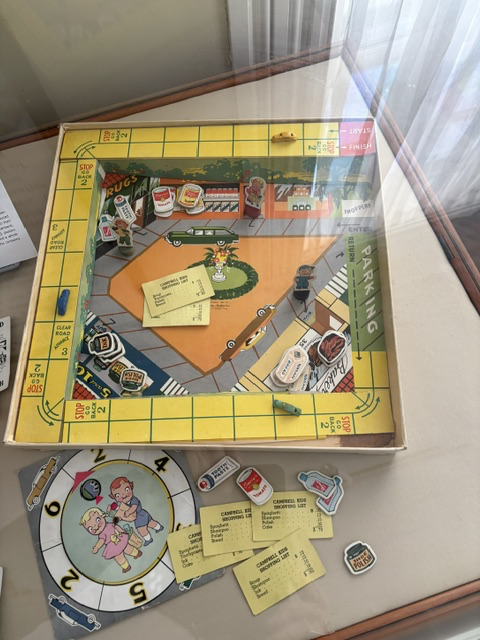
The Campbell Kids Shopping Game
One of the things I enjoy most about visiting local history museums is discovering artifacts that tell the story of everyday life. Community museums often preserve the objects that filled ordinary homes. This 1955 Campbell Kids Shopping Game is one of those treasures. Produced by Parker Brothers in partnership with the Campbell Soup Company, the […]
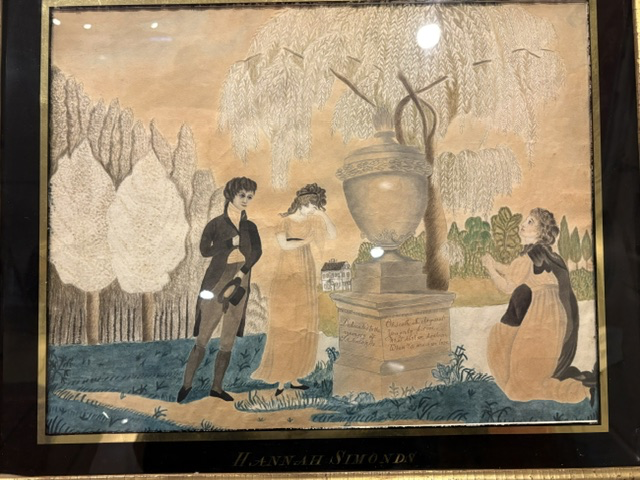
Hannah Simonds’ Mourning Portrait
One of the most moving pieces we discovered at the Buckman Tavern in Lexington was this delicate watercolor painted by Hannah Simonds in 1805. At first glance, it appears to be a simple family memorial, but it tells a much larger story about remembrance, family, and the quiet ways ordinary Americans preserved the legacy of […]
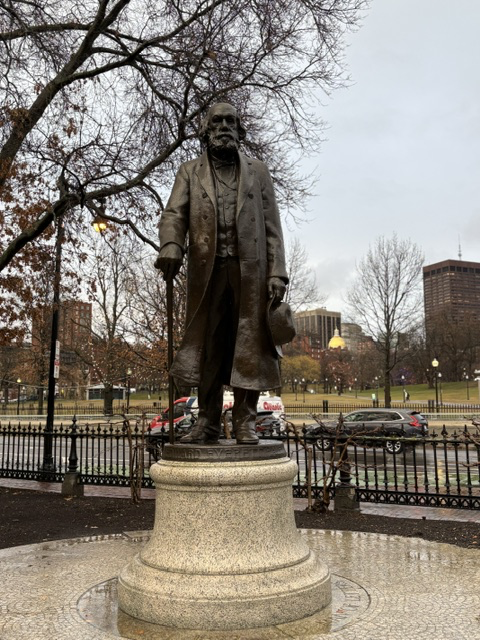
Edward Everett
Standing on Boston Common is a statue of a man whose name is no longer familiar to many Americans, yet during the nineteenth century he was one of the nation’s most admired public figures. This monument honors Edward Everett, a Massachusetts scholar, educator, diplomat, governor, U.S. senator, Secretary of State, and one of the greatest […]

