John Bascom Plaque
While exploring Mount Greylock, we stopped at Bascom Lodge, the rustic stone lodge near the summit that has welcomed hikers and travelers since 1938. Sitting directly along the Appalachian Trail, it remains an important stopping place for hikers making their way across Massachusetts, as well as for those of us simply exploring the mountain.
While there, I noticed this plaque set into the stone wall. At first, I did not know who John Bascom was. But that is precisely why I photographed it. This is one of my favorite things to do when we travel: to stop, look and notice. I am continually drawn to the plaques, monuments and markers that someone, at some point, decided were important enough to leave behind. Often, I have no idea who the person was when I first encounter the marker. The plaque becomes an invitation to find out.
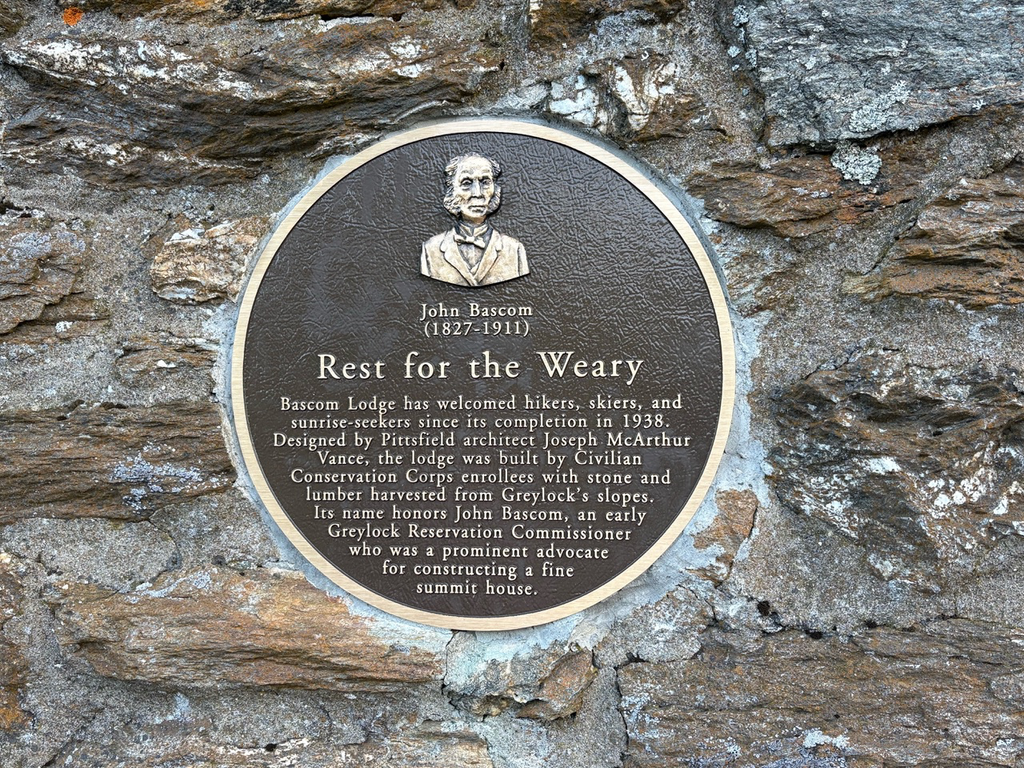
John Bascom was certainly someone worth discovering. Born in 1827, he became an educator, philosopher and theologian, graduated from Williams College, and served as president of the University of Wisconsin from 1874 to 1887. He later returned to Williams as a professor, bringing him back to the Berkshires and the landscape surrounding Mount Greylock.
Bascom became involved in the early preservation of the mountain and served on the Greylock Reservation Commission. He was also a strong advocate for creating a substantial lodge on the mountain where visitors could find shelter and rest. He died in 1911, long before the present building was constructed, but his idea endured.
In 1938, during the Great Depression, Bascom Lodge was completed. Designed by Pittsfield architect Joseph McArthur Vance, it was constructed by young men of the Civilian Conservation Corps using stone and lumber harvested from Mount Greylock itself. When it came time to name the lodge, John Bascom was remembered for his earlier vision.
The words at the top of the plaque: “Rest for the Weary”, still describe the building remarkably well. Generations of hikers, skiers and visitors have stopped here, and Appalachian Trail hikers continue to pass directly by its doors on their journey along the mountain.
But for me, this photograph is also about the plaque itself.
Historic houses preserve the stories of the people who lived within them. Monuments preserve events and individuals that communities believed should be remembered. And these smaller plaques do much the same thing. Someone deliberately placed John Bascom’s name and face on this wall so that people who came after him might stop and wonder who he was.
More than a century after his death, that is exactly what happened. I stopped. I noticed his name. I took a photograph. And because the plaque was there, I wanted to learn his story. Perhaps that is one of the simplest ways history survives. Someone leaves a marker behind and someone else takes the time to notice it.
Read More From Nancy
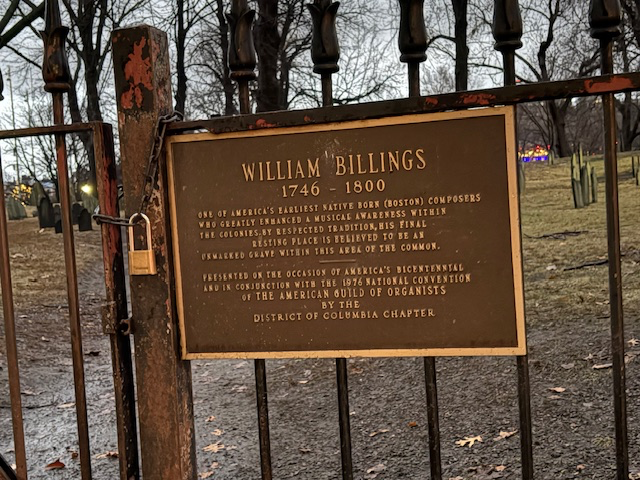
William Billings Plaque
Walking along the Boston Common, there are a number of plaques that quietly mark the lives of people who helped shape the early character of the city. One of them is for Willian Billings, listed as one of America’s earliest native-borncomposers. Billings was born and lived in Boston at a time when the country was just beginning to define its […]
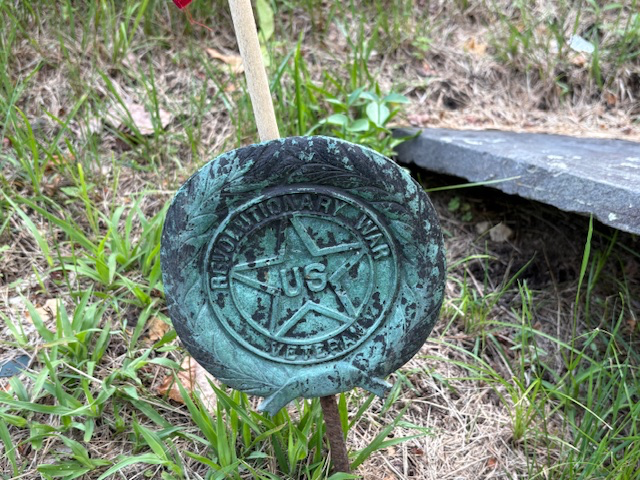
Revolutionary War Medallion
I enjoy wandering through old cemeteries and to the small symbols that mark the lives of people who came before us. Among the most powerful markers are the medallions places at the graves of Revolutionary War veterans, each one a reminder of the earliest defenders of our young nation resting beneath New England’s grass. As I explored these burying […]
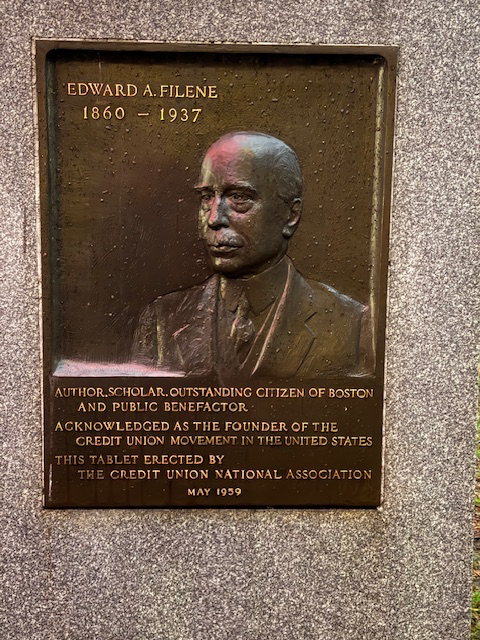
Edward A. Filene Plague
Walking along the fence surrounding the Boston Common, I came across this bronze plaque honoring Edward A. Filene. While many people recognize the Filene name from the famous Boston department store, few realize the tremendous influence he had beyond retail. Filene believed that ordinary working families deserved access to affordable credit and financial opportunity. His […]

