United States of America

States

Alabama
Alabama entered the Union on December 14, 1819, becoming the nation’s twenty-second state. Nicknamed the Yellowhammer State, it is also known as the Heart of Dixie and the Cotton State. Montgomery is the capital, Huntsville is the largest city by population, and Mobile, founded by French colonists in 1702, is the state’s oldest city. Its geography extends from the mountains and Tennessee Valley in the north to Mobile Bay and the Gulf Coast in the south. Cotton and slavery shaped Alabama’s early development, and Montgomery served as the first capital of the Confederacy in 1861. A century later, Alabama became a major center of the Civil Rights Movement. The Montgomery Bus Boycott, the demonstrations in Birmingham, and the Selma-to-Montgomery marches helped expose racial injustice and bring about lasting changes in American law and society.
Alaska
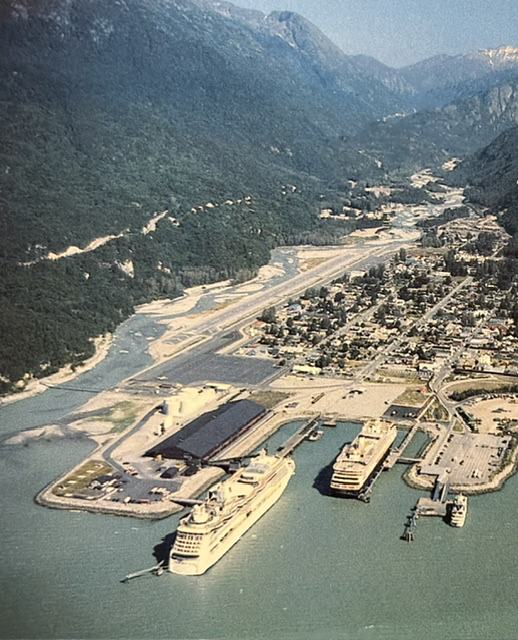
Alaska entered the Union on January 3, 1959, becoming the nation’s forty-ninth state. Nicknamed the Last Frontier, it is the largest state by area and the northernmost and westernmost state in the country. Juneau is the capital, Anchorage is the largest city by population, and Kodiak, established as a Russian settlement in 1792, is Alaska’s oldest permanent European settlement. Its geography includes Arctic tundra, mountain ranges, glaciers, forests, thousands of islands, and coastlines along the Arctic and Pacific oceans. Alaska Native peoples inhabited the region for thousands of years before Russian explorers and fur traders arrived. The United States purchased Alaska from Russia for $7.2 million in 1867, an acquisition initially criticized as “Seward’s Folly.” The Klondike and Alaska gold rushes brought prospectors and new settlements to the region during the late nineteenth century. Alaska’s strategic importance increased during World War II, when Japanese forces occupied islands in the Aleutian chain. Oil, commercial fishing, mining, military installations, tourism, and the preservation of vast areas of wilderness have continued to shape the state’s development.

Arizona
Arizona became the 48th state on February 14, 1912, the last of the contiguous states to join the Union. Known as the Grand Canyon State, it has Phoenix as both its capital and largest city. Its landscape ranges from the forests and high plateaus of the north, where the Colorado River carved the Grand Canyon, to the mountains, desert valleys, and saguaro-covered slopes of the south. Arizona has long been home to Indigenous peoples whose communities remain central to the state’s history. Spanish and Mexican rule preceded the transfer of most of the region to the United States in 1848; the Gadsden Purchase added the southern portion in 1854. Arizona became a separate U.S. territory in 1863. Mining, ranching, and farming shaped its early economy, while railroads and later water projects supported the growth of its towns and cities. During the twentieth century, Phoenix expanded rapidly, making Arizona one of the defining centers of the modern American Southwest.

California
California became the thirty-first state to join the United States on September 9, 1850. Known as the Golden State, it has Sacramento as its capital and Los Angeles as its largest city. Its varied geography includes the Pacific coastline, Central Valley, Sierra Nevada, Mojave and Colorado deserts, redwood forests, fertile agricultural regions and some of the country’s highest and lowest elevations. The discovery of gold in 1848 brought rapid population growth and helped propel California toward statehood. During the nineteenth and twentieth centuries, agriculture, railroads, shipping, oil, aviation and manufacturing shaped its development. California later became internationally influential through the motion-picture industry, Silicon Valley technology, scientific research and its role as a major center of trade across the Pacific.

Colorado
Colorado entered the Union on August 1, 1876, becoming the nation’s thirty-eighth state. Because it achieved statehood during the one-hundredth anniversary of the United States, it is known as the Centennial State. Denver is both the capital and largest city. Colorado’s varied geography includes the Great Plains in the east, the Rocky Mountains through its center, and the canyons and plateaus of the western region. The discovery of gold near present-day Denver in 1858 brought thousands of prospectors to the region and accelerated Colorado’s development. Gold and silver mining led to the establishment of mountain communities, while railroads connected these once-remote settlements with expanding national markets. Although many mining towns later declined, their buildings and landscapes remain an important part of Colorado’s history and identity.

Connecticut
Connecticut was one of the original thirteen colonies and became the fifth state to ratify the United States Constitution on January 9, 1788. Known as the Constitution State, it has Hartford as its capital and Bridgeport as its largest city. Its varied landscape extends from the shores of Long Island Sound and the broad Connecticut River Valley to the wooded hills and small towns of the northwestern region. Connecticut’s Fundamental Orders of 1639 are often regarded as one of the earliest written frameworks for representative government in North America. During the nineteenth century, the state became an important center of American manufacturing, producing firearms, clocks, tools, textiles, and other goods. Its factories, mills, waterways, and transportation networks helped make Connecticut a leader in the nation’s transition from an agricultural to an industrial economy.

Delaware
Delaware was one of the original thirteen colonies and became the first state to ratify the United States Constitution on December 7, 1787, earning its nickname, the First State. Dover is the capital, while Wilmington is the largest city. The nation’s second-smallest state, Delaware stretches from the Delaware River and Bay to the Atlantic Coast, with beaches, wetlands, farmland, and low coastal plains defining much of its landscape. Before independence, the region was governed at different times by the Dutch, Swedish, and English. Although Delaware was a slave state, it remained in the Union during the Civil War. Its location between major eastern cities later contributed to its development as a center of transportation, manufacturing, banking, and chemical production.
Florida
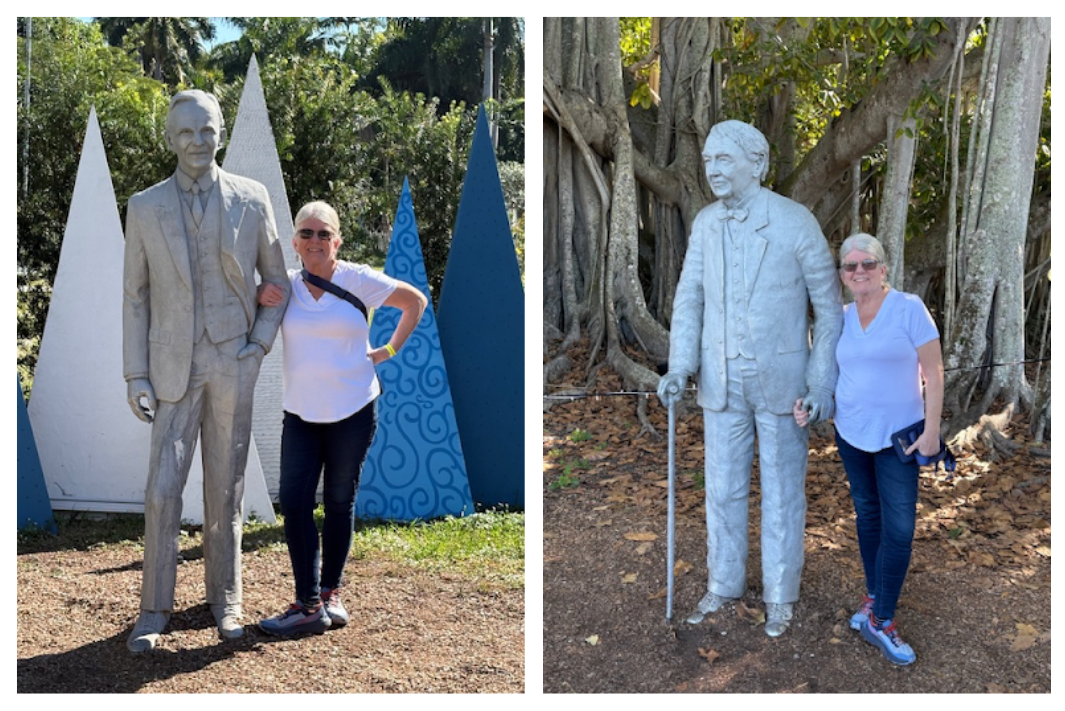
Florida entered the Union on March 3, 1845, becoming the nation’s twenty-seventh state. Known as the Sunshine State, it has Tallahassee as its capital and Jacksonville as its largest city by population. The peninsula lies between the Atlantic Ocean and the Gulf of Mexico, with a landscape that includes extensive coastlines, wetlands, the Everglades, and the Florida Keys. Spanish explorers reached Florida during the sixteenth century, and St. Augustine, founded in 1565, became the oldest continuously inhabited European-established settlement in the continental United States. Florida later passed between Spanish and British control before becoming a United States territory in 1821. Railroads, land development, tourism, and the growth of the space program transformed the state during the twentieth century.

Georgia
Georgia was the last of the thirteen British colonies established in North America and became the fourth state to ratify the United States Constitution on January 2, 1788. Known as the Peach State, it has Atlanta as both its capital and largest city. Savannah, founded in 1733, is its oldest city. Georgia’s landscape extends from the Blue Ridge Mountains in the north through the Piedmont region to the coastal plains, salt marshes, and barrier islands along the Atlantic. Established under the leadership of James Oglethorpe, Georgia initially served as a buffer between the British colonies and Spanish Florida. Cotton and slavery later became central to its economy, and the state experienced widespread destruction during the Civil War. During the twentieth century, Atlanta emerged as an important center of the Civil Rights Movement and developed into one of the largest economic and transportation centers in the South.
Illinois
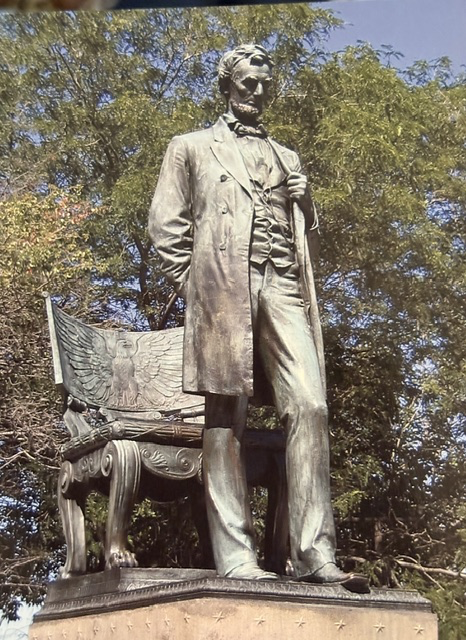
Illinois entered the Union on December 3, 1818, becoming the nation’s twenty-first state. Known as the Prairie State and the Land of Lincoln, it has Springfield as its capital and Chicago as its largest city. Its geography stretches from the shores of Lake Michigan through broad prairies and farmland to the Mississippi and Ohio rivers along its western and southern boundaries. Abraham Lincoln developed his political and legal career in Illinois before becoming president in 1861. During the nineteenth century, canals and railroads connected the state’s farms and communities with national markets, while Chicago grew into a major center of transportation, industry, and immigration. Illinois became an important link between the agricultural regions of the Midwest and the cities and ports of the eastern United States.
Kansas
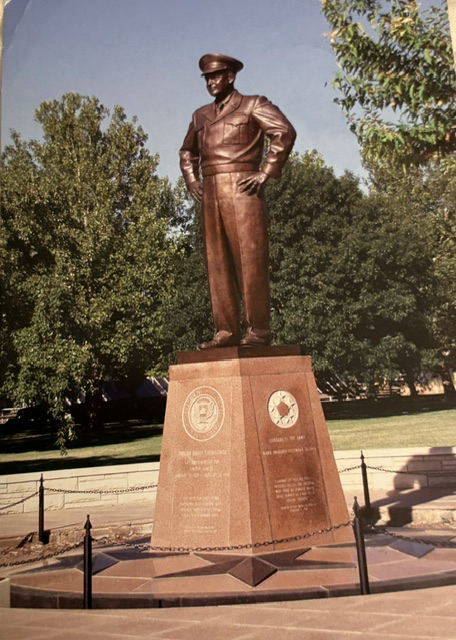
Kansas entered the Union on January 29, 1861, becoming the nation’s thirty-fourth state. Known as the Sunflower State, it has Topeka as its capital and Wichita as its largest city. Located near the geographic center of the continental United States, Kansas is characterized by broad plains, productive farmland, and the rolling grasslands of the Flint Hills. During the 1850s, Kansas became the center of a violent national struggle over whether slavery would be permitted in new western territories. The conflict known as “Bleeding Kansas” foreshadowed the Civil War, and Kansas ultimately entered the Union as a free state. Railroads, cattle drives, wheat farming, and later aviation helped shape its growth and its lasting identity as part of the American heartland.

Maine
Maine entered the Union on March 15, 1820, becoming the nation’s twenty-third state. Known as the Pine Tree State, it has Augusta as its capital and Portland as its largest city. The northernmost state in New England, Maine is distinguished by its rocky Atlantic coastline, numerous islands and lighthouses, vast forests, inland lakes, and mountain regions. Maine was part of Massachusetts until it achieved statehood through the Missouri Compromise, which admitted Maine as a free state and Missouri as a slave state. Its forests, rivers, and extensive coastline supported the growth of logging, shipbuilding, fishing, and maritime commerce. These industries shaped communities throughout the state and established Maine’s enduring connection to both the sea and its forested interior.

