Amesbury, MA
Amesbury was incorporated in 1668, beginning as an agricultural settlement along the Merrimack River before growing into a center of industry in the 19th century, particularly known for carriage manufacturing that helped shape early transportation in America. The town is closely associated with John Greenleaf Whittier, the abolitionist whose home still stands here, as well as Josiah Bartlett, who was born in this area and later became governor of New Hampshire. Today, Amesbury reflects these layers of history—river, industry, and reform—offering a story shaped by both innovation and ideas.
Recent Posts
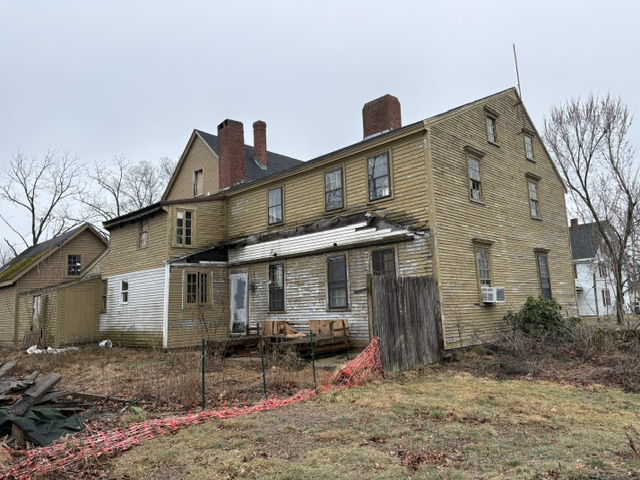
Captain Bagley House
The Currier-Bagley-Huntington House is one of the oldest surviving structures connected to Amesbury’s early maritime and colonial history. Though now weathered and in disrepair, the house still carries the appearance of an early New England home that evolved over generations as families added rooms and altered the structure over time. The house is closely tied to Captain Valentine Bagley, the […]
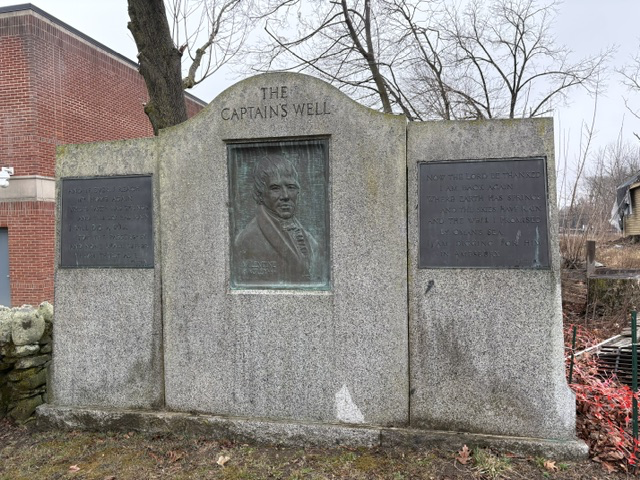
The Captain’s Well
This monument in Amesbury is known as The Captain’s Well, and it quietly preserves pat of the town’s maritime past. The restored stone wall, complete with its long wooden sweep and bucket arm, reflects a time when wells were central gathering places within a community. Before modern plumbing, places like this supplied water not only for homes, but […]
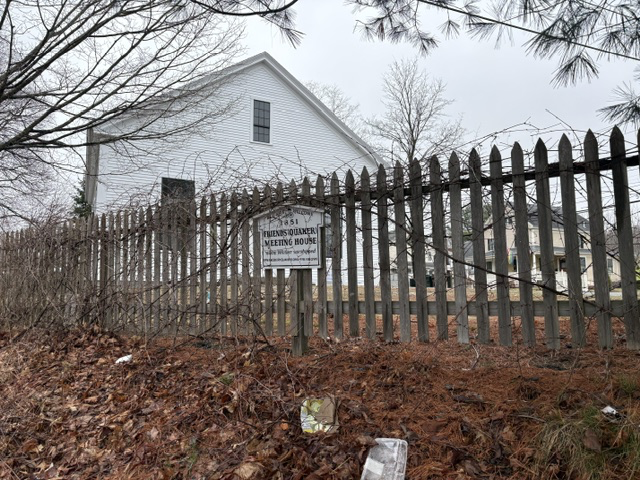
Quaker Meeting House
This is the old Friends Quaker Meeting House in Amesbury, closely connected to the life of ohn Greenleaf Whittier and the Quaker traditions that shaped both his beliefs and his writing. Whittier was raised in a Quaker family, and the values of the Society of Friends remained central to his life. The Quakers emphasized simplicity, equality, peace, personal […]
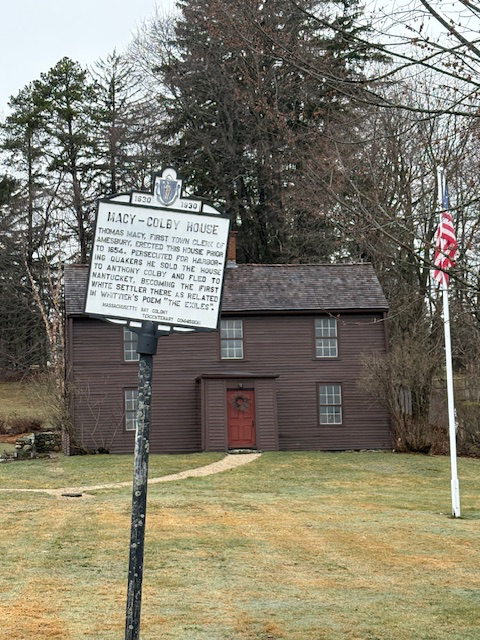
Macy-Colby House
Standing quietly along the road in Amesbury is the Macy – Colby House, one of the town’s oldest surviving homes and a reminder of the deep colonial roots woven into this New England landscape. Built in 1654 by Thomas Macy, one of the original founders of Amesbury, the house connects directly to the earliest settlement period of the […]
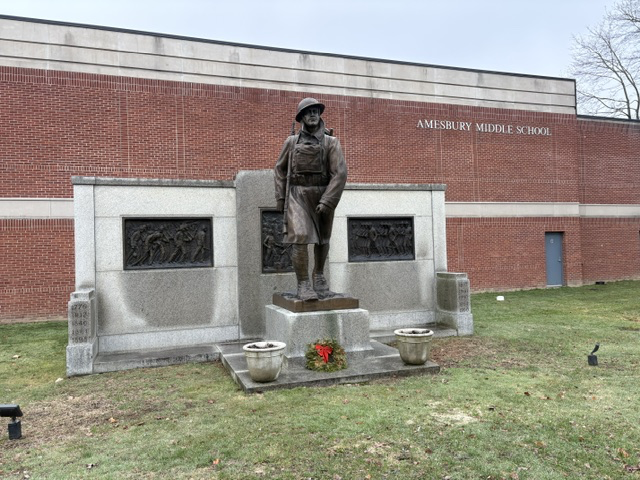
Doughboy Statue
This monument in Amesbury is a classical American “Doughboy” statue, built in honor of the local men who served during World War I. Following the war, communities across the United States erected these monuments as public expressions of remembrance, grief, patriots, and civic pride. The term “Doughboy” was the common nickname given to American infantry soldiers during World War […]
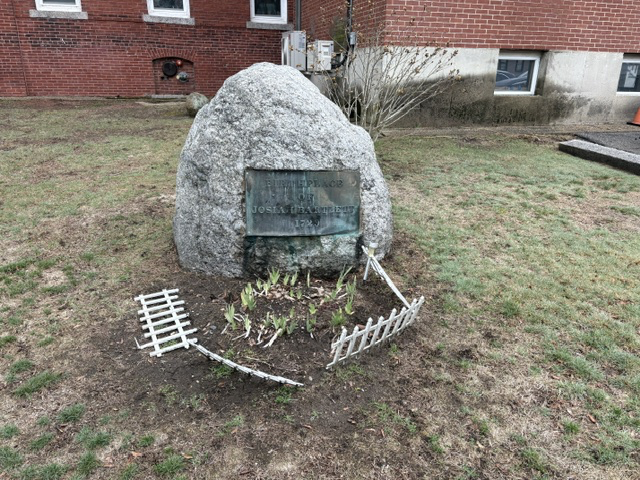
Birthplace of Josiah Bartlett
In the center of Amesbury is the large statue of Josiah Bartlett, and even though he went on to live in other towns and states, this town has the distinction of being the place of his birth. Though his birth house is no longer here, there is this small stone memorial that grounds him to this […]
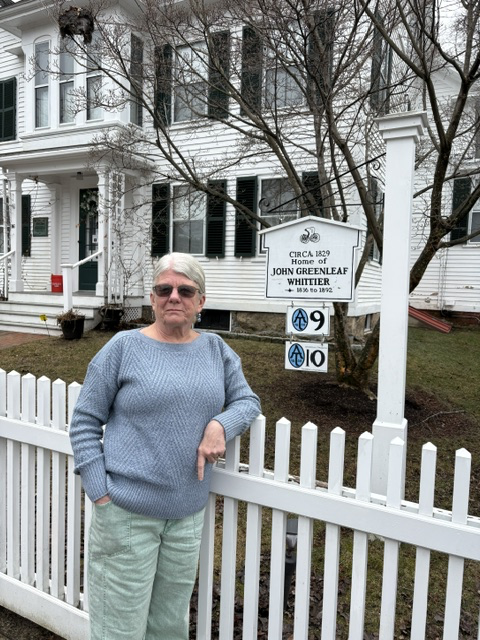
John Greenleaf Whittier House
John Greenleaf Whittier was the reason I first visited Amesbury many years ago. A poet, writer, and one of the leading abolitionists of the 19th century. Whittier used both his words and public influence to speak out against slavery during one of the most divided periods in American history. The home behind me, The John Greenleaf […]
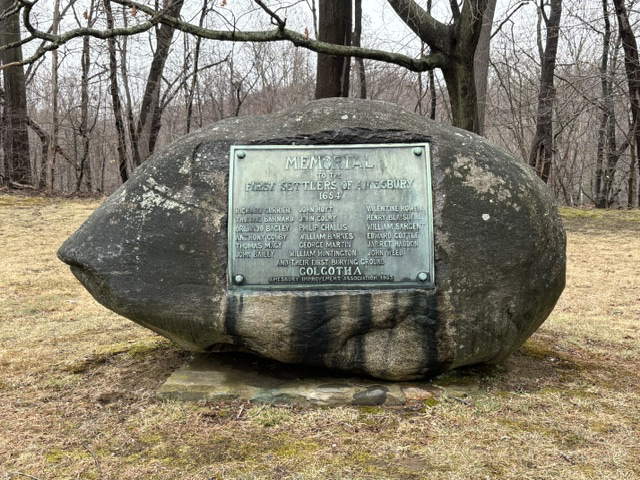
First Settlers Memorial
One of the things I enjoy most while exploring small towns is discovering the smaller memorials that quietly preserve the memory of the people that first settled these communities. This monument in Amesbury honors the first settlers of Amsbury in 1654, listing many of the families who helped establish the town during the early colonial period. What […]
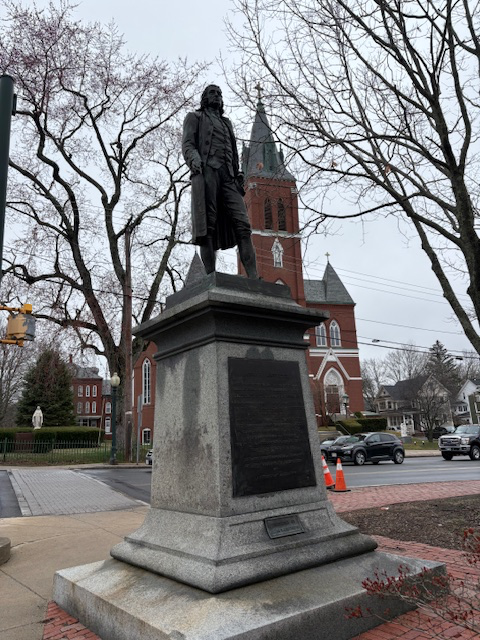
John Bartlett Monument
In Amesbury, there is a prominent statue of Josiah Barlett, a figure whose life connects this small New England town to the founding of the nation. Josiah Bartlett was born in 1729 in what was then part of Amesbury. Trained as a physician, he built a reputation for both skill and dedication. As tensions grew […]

