The Captain’s Well
This monument in Amesbury is known as The Captain’s Well, and it quietly preserves pat of the town’s maritime past. The restored stone wall, complete with its long wooden sweep and bucket arm, reflects a time when wells were central gathering places within a community. Before modern plumbing, places like this supplied water not only for homes, but also for travelers, workers, and sailors connected to the town’s shipping activity.
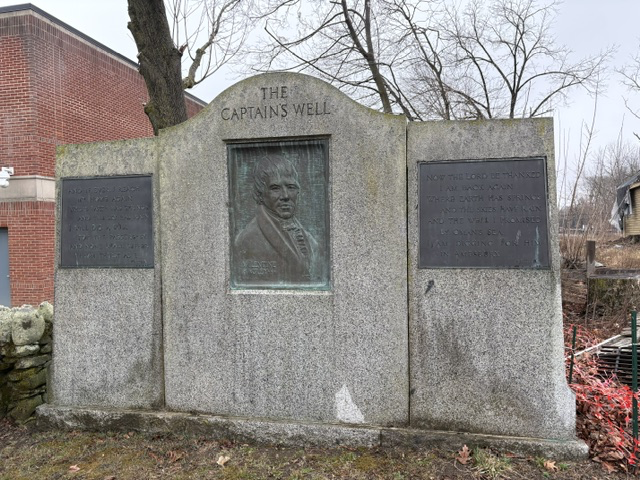
This memorial reminds us that maritime culture shaped the town’s early history. The nearby rivers connected Amesbury to coastal trade and shipbuilding networks throughout New England. Captains and merchants traveled far from these small towns, carrying both goods and the reputation of their communities around the world.

The well was dug by Captain Valentine Bagley in 1796 and later immortalized by Whittier. A simple town well became important enough to survive in memory because it represented both the practical life and spirit of the community.

It is easy to imagine neighbors gathering around the well, sailors returning from voyages and townspeople sharing news long before newspapers, telephones or modern convenience connected communities. These smaller memorials preserve the human side of history and the routines of ordinary life.

Read More From Nancy
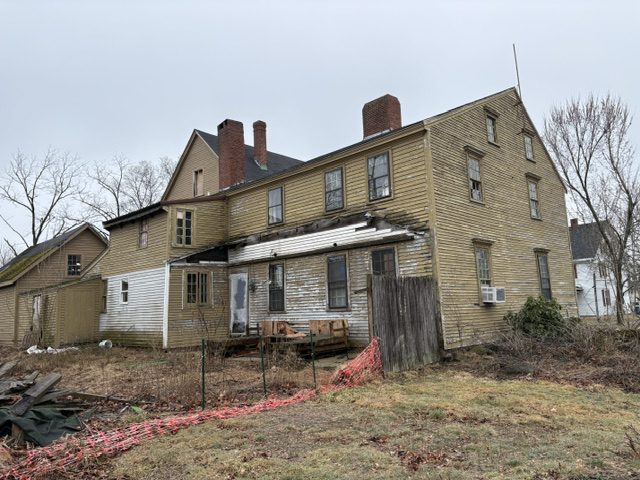
Captain Bagley House
The Currier-Bagley-Huntington House is one of the oldest surviving structures connected to Amesbury’s early maritime and colonial history. Though now weathered and in disrepair, the house still carries the appearance of an early New England home that evolved over generations as families added rooms and altered the structure over time. The house is closely tied to Captain Valentine Bagley, the […]
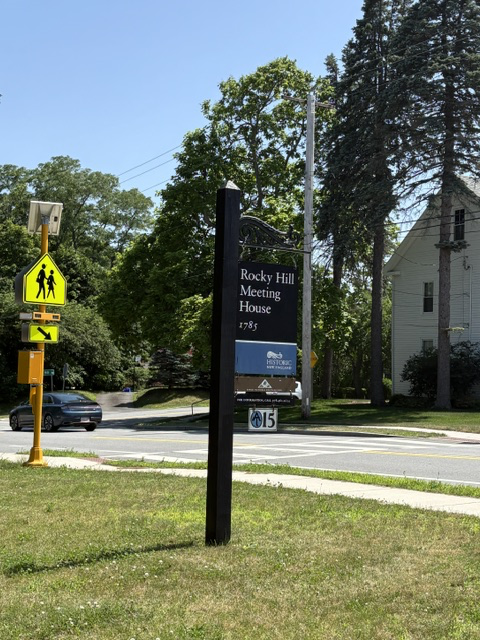
Rocky Hill Meeting House
Driving through Amesbury, it would be easy to pass the Rocky Hill Meeting House without realizing how special it is. Standing on a rise above the road, this simple white building has been part of the landscape since the eighteenth century and remains one of the best-preserved early meeting houses in New England. Built in […]
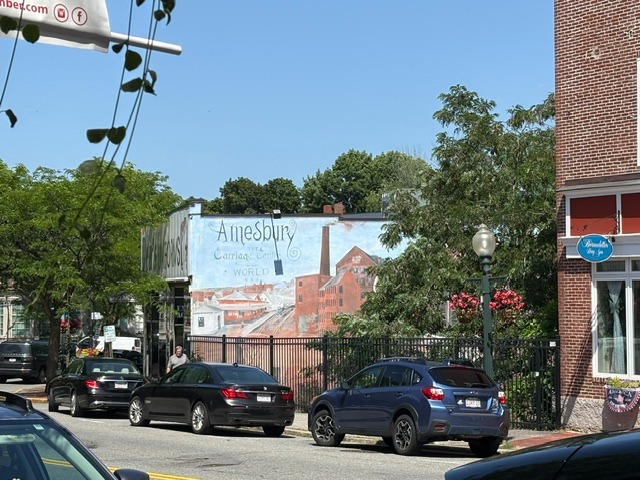
Carriage Capital of the World
The “Carriage Capital of the World” mural in downtown Amesbury recalls an industry that carried the town’s reputation far beyond Massachusetts. Beginning in the early 1850s, local manufacturers developed a thriving trade in finely crafted horse-drawn vehicles. Carriage making became a defining part of Amesbury’s identity, joining the textile mills and other enterprises already established […]

