Doughboy Statue
This monument in Amesbury is a classical American “Doughboy” statue, built in honor of the local men who served during World War I. Following the war, communities across the United States erected these monuments as public expressions of remembrance, grief, patriots, and civic pride.
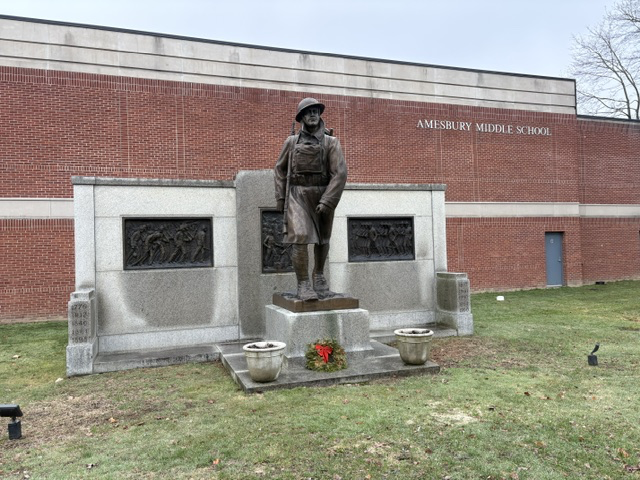
The term “Doughboy” was the common nickname given to American infantry soldiers during World War I. These statues became one of the most recognizable forms of war memorials in the early 20th century, especially throughout New England towns. The soldier is usually shown standing alert in uniform, representing the ordinary citizen-soldier who left home to fight overseas during what was then called “The Great War”.
In Amesbury, the memorial reflects how deeply the war affected even small American communities. Nearly every town lost young men during World War I, and these monuments became places where families gathered for Memorial Day ceremonies, parades and public remembrance.
These monuments are more than pieces of sculpture. They represent the hopes, fears, sacrifices, and memories of entire communities trying to honor those who never fully came home from one of the defining events of the 20th century.
Read More From Nancy
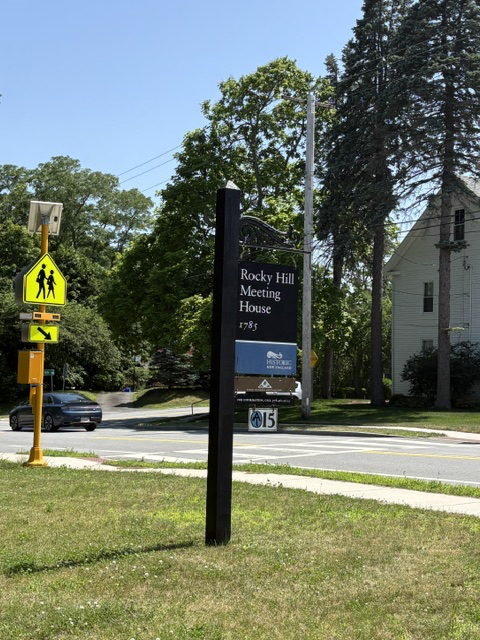
Rocky Hill Meeting House
Driving through Amesbury, it would be easy to pass the Rocky Hill Meeting House without realizing how special it is. Standing on a rise above the road, this simple white building has been part of the landscape since the eighteenth century and remains one of the best-preserved early meeting houses in New England. Built in […]
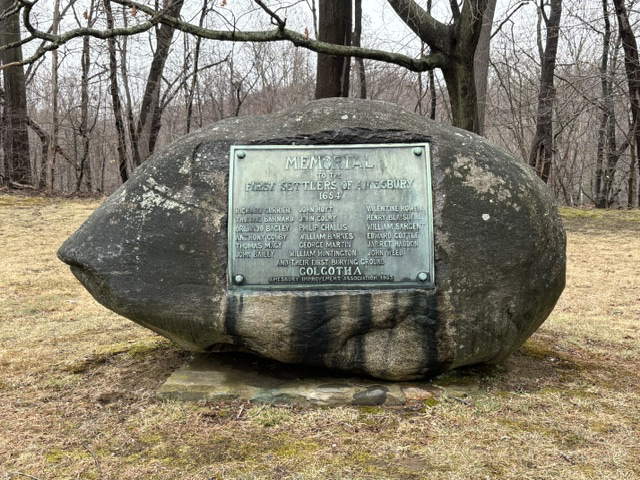
First Settlers Memorial
One of the things I enjoy most while exploring small towns is discovering the smaller memorials that quietly preserve the memory of the people that first settled these communities. This monument in Amesbury honors the first settlers of Amsbury in 1654, listing many of the families who helped establish the town during the early colonial period. What […]
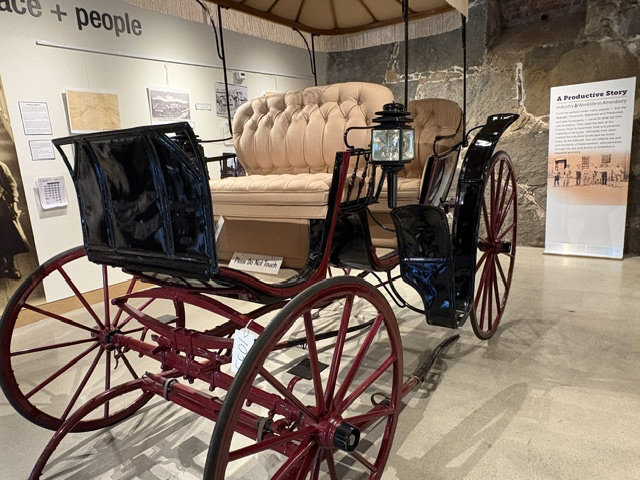
Amesbury Carriage Museum
Every town has a story that shaped its identity. For Amesbury, that story was built on wheels. Long before automobiles transformed the American landscape, Amesbury was recognized around the world as one of the finest centers of carriage manufacturing. During the nineteenth century, the city’s factories produced elegant coaches, family wagons, commercial vehicles, and luxury […]

