Macy-Colby House
Standing quietly along the road in Amesbury is the Macy – Colby House, one of the town’s oldest surviving homes and a reminder of the deep colonial roots woven into this New England landscape. Built in 1654 by Thomas Macy, one of the original founders of Amesbury, the house connects directly to the earliest settlement period of the region. Macy was an important figure in local history, helping establish the community during a time when frontier life in Massachusetts was still uncertain and difficult.
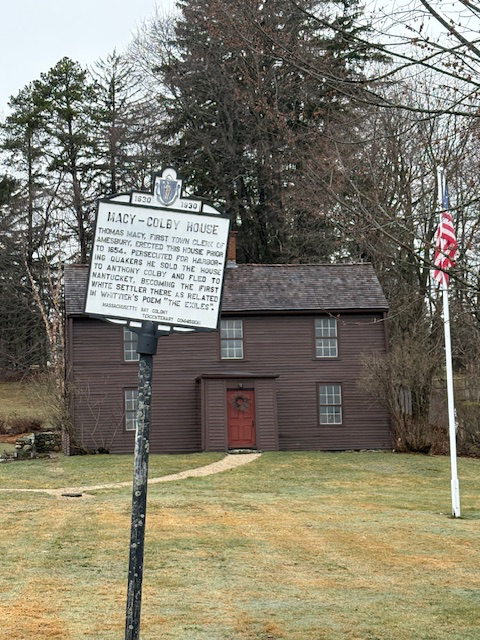
In 1660, Thomas Macy sold the property to Anthony Colby and fled to Nantucket. Macy had been accused of sheltering Quakers, whose religious beliefs were being harshly persecuted in Massachusetts Bay Colony. Rather than face punishment, he left the area and became one of the early settlers of Nantucket, where greater religious tolerance existed. That single decision ties this quiet Amesbury home to a much larger story about religious freedom in early America.
The house later became associated with poet John Greenleaf Whitier, who referenced it in his poem “The Exiles”. Whittier often drew inspiration from the people, landscaped and moral struggles of New England history, especially the Quaker experience. Through his writing, the house became more than an old structure. It became part of the literary memory of the region.
This structure witnessed the earliest years of Massachusetts settlement, religious conflict, migration and the shaping of communities that still exist today. In a town filled with layers of history, the Mary Colby House quietly reminds visitors how deeply the past still lives within the landscape of Amesbury.
Read More From Nancy
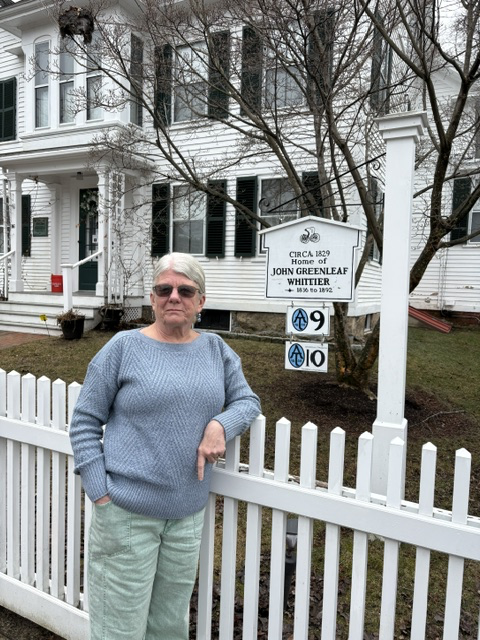
John Greenleaf Whittier House
John Greenleaf Whittier was the reason I first visited Amesbury many years ago. A poet, writer, and one of the leading abolitionists of the 19th century. Whittier used both his words and public influence to speak out against slavery during one of the most divided periods in American history. The home behind me, The John Greenleaf […]
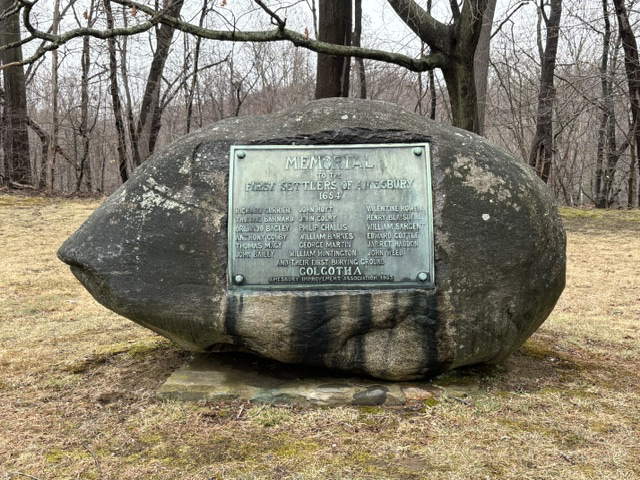
First Settlers Memorial
One of the things I enjoy most while exploring small towns is discovering the smaller memorials that quietly preserve the memory of the people that first settled these communities. This monument in Amesbury honors the first settlers of Amsbury in 1654, listing many of the families who helped establish the town during the early colonial period. What […]
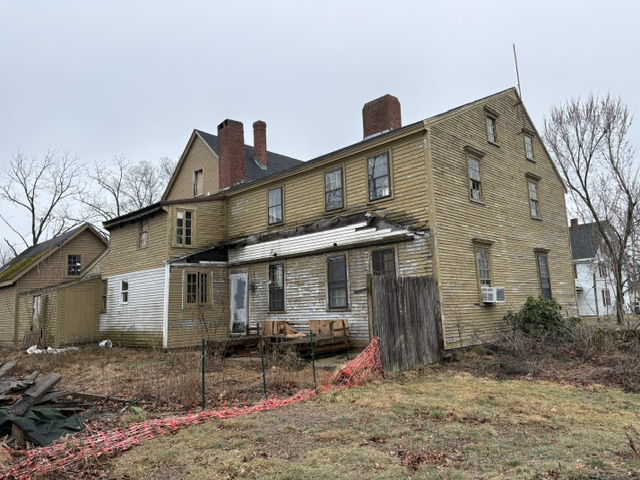
Captain Bagley House
The Currier-Bagley-Huntington House is one of the oldest surviving structures connected to Amesbury’s early maritime and colonial history. Though now weathered and in disrepair, the house still carries the appearance of an early New England home that evolved over generations as families added rooms and altered the structure over time. The house is closely tied to Captain Valentine Bagley, the […]

