First Settlers Memorial
One of the things I enjoy most while exploring small towns is discovering the smaller memorials that quietly preserve the memory of the people that first settled these communities. This monument in Amesbury honors the first settlers of Amsbury in 1654, listing many of the families who helped establish the town during the early colonial period.
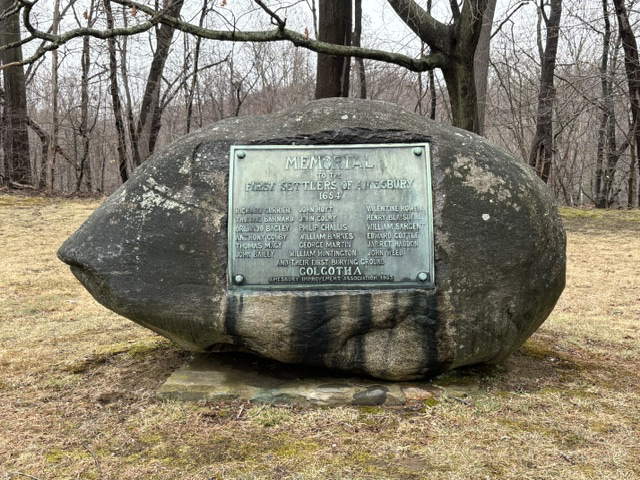
What caught my attention was the unusual stone itself. Rather than a traditional upright monument, the plaque is mounted on a glacial boulder, something that connects to the New England landscape. The memorial recognizes names that would have been woven into the history of the region for generations, reminding us how deeply family histories are tied to these early towns.
The plaque also references “Colgotha”, a name connected to the area’s earliest burial grounds and settlement history. The name was inspired by the biblical Golgotha, meaning “Place of the Skull, where Christ was crucified. Early New England settlers often used biblical references in naming important places within their communities, especially burial grounds. It reflected both their deep religious beliefs and the awareness of mortality that came with colonial life.
It is easy to imagine the challenges these first settlers faced in the mid-1600s: harsh winters, isolation, uncertain harvests, disease and the work of building homes and farms from the wilderness around them. Burial grounds in those early settlements were not hidden from daily life but were central reminders of the fragility of life itself.
I seek out these often overlooked markers in each town I visit because they tell the foundation story of the town itself. Long before Amesbury became known for carriage manufacturing, industry, or famous residents like John Greenleaf Whittier, it was simply a small settlement carved out along the edge of the New England frontier.
These simple memorials connect us to people whose names rarely appear in history books, yet whose courage and perseverance laid the groundwork for the towns and communities we know today.
Read More From Nancy
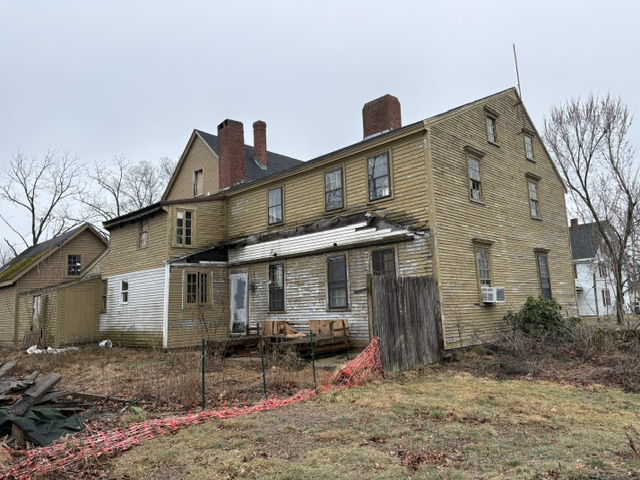
Captain Bagley House
The Currier-Bagley-Huntington House is one of the oldest surviving structures connected to Amesbury’s early maritime and colonial history. Though now weathered and in disrepair, the house still carries the appearance of an early New England home that evolved over generations as families added rooms and altered the structure over time. The house is closely tied to Captain Valentine Bagley, the […]
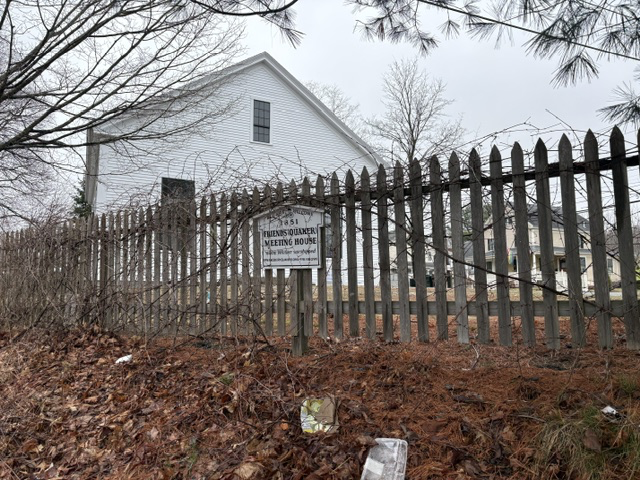
Quaker Meeting House
This is the old Friends Quaker Meeting House in Amesbury, closely connected to the life of ohn Greenleaf Whittier and the Quaker traditions that shaped both his beliefs and his writing. Whittier was raised in a Quaker family, and the values of the Society of Friends remained central to his life. The Quakers emphasized simplicity, equality, peace, personal […]
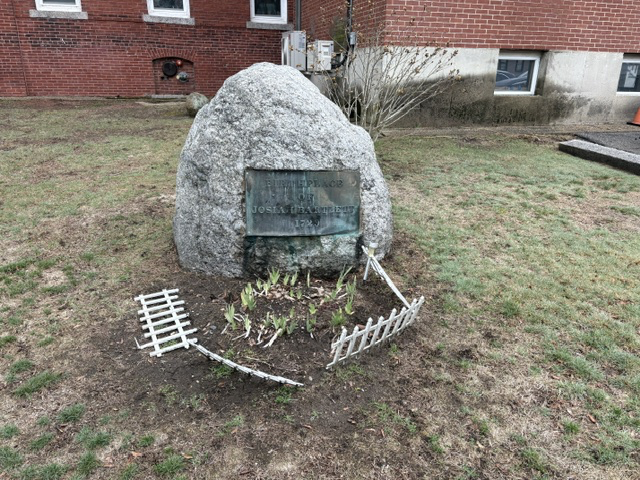
Birthplace of Josiah Bartlett
In the center of Amesbury is the large statue of Josiah Bartlett, and even though he went on to live in other towns and states, this town has the distinction of being the place of his birth. Though his birth house is no longer here, there is this small stone memorial that grounds him to this […]

