Quaker Meeting House
This is the old Friends Quaker Meeting House in Amesbury, closely connected to the life of ohn Greenleaf Whittier and the Quaker traditions that shaped both his beliefs and his writing.
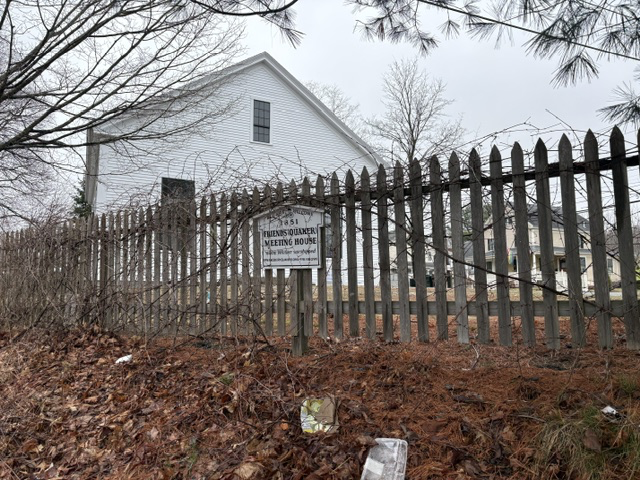
Whittier was raised in a Quaker family, and the values of the Society of Friends remained central to his life. The Quakers emphasized simplicity, equality, peace, personal conscience, and opposition to violence and slavery, principles that deeply influenced Whittier’s role as one of America’s leading abolitionist voices. His strong moral opposition to slavery was not simply political; it grew directly from the religious teachings and culture of the Quaker community.
Unlike many churches of the period, Quaker meeting houses were intentionally plain and unadorned. There were no elaborate altars, stained glass windows or formal clergy. Worship itself was very different from traditional church services. Friends gathered largely in silence, waiting quietly for spiritual inspiration. If someone felt deeply moved to speak, they would rise and share their thoughts with the group. Sometimes an entire meeting could pass in silence.
This style of worship required patience, reflection and personal responsibility. The silence was not considered empty, but meaningful, a time to listen inwardly for guidance from God. The meeting house also served as a place where community decisions, marriages, social concerns and abolitionist discussions were addressed.
During the 1600s, Quakers were often persecuted in Puritan Massachusetts because their beliefs challenged religious authority. Some Quakers were fined, imprisoned or even executed in Boston. Over time, Quaker communities spread to areas such as Amesbury and the Merrimack River region where they were able to establish more stable meeting communities
By the time Whittier lived here, the Quaker presence was already deeply rooted in the area. Their influence extended beyond religion into education, abolitionism, and social reform. It is no coincidence that some of the strongest anti-slavery voices in New England emerged from Quaker communities like this one.
Behind this simple fence stands not just an old meeting house, but part of the moral and spiritual foundation that shaped one of New England’s most influential writers and reformers.
Read More From Nancy
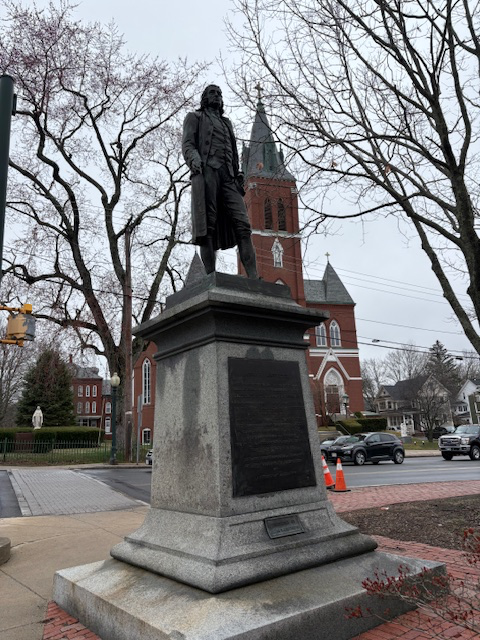
John Bartlett Monument
In Amesbury, there is a prominent statue of Josiah Barlett, a figure whose life connects this small New England town to the founding of the nation. Josiah Bartlett was born in 1729 in what was then part of Amesbury. Trained as a physician, he built a reputation for both skill and dedication. As tensions grew […]
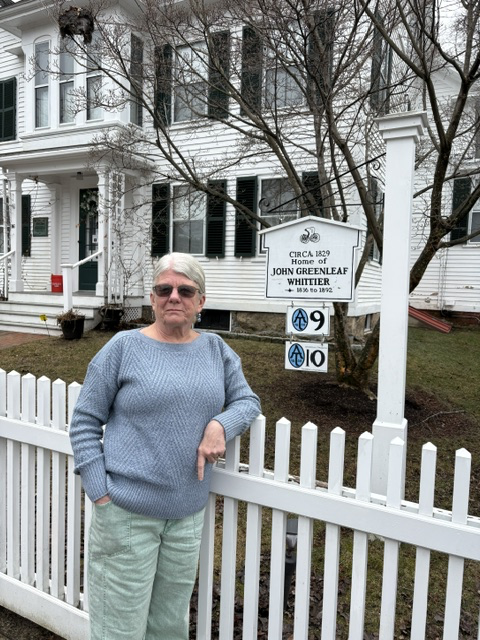
John Greenleaf Whittier House
John Greenleaf Whittier was the reason I first visited Amesbury many years ago. A poet, writer, and one of the leading abolitionists of the 19th century. Whittier used both his words and public influence to speak out against slavery during one of the most divided periods in American history. The home behind me, The John Greenleaf […]
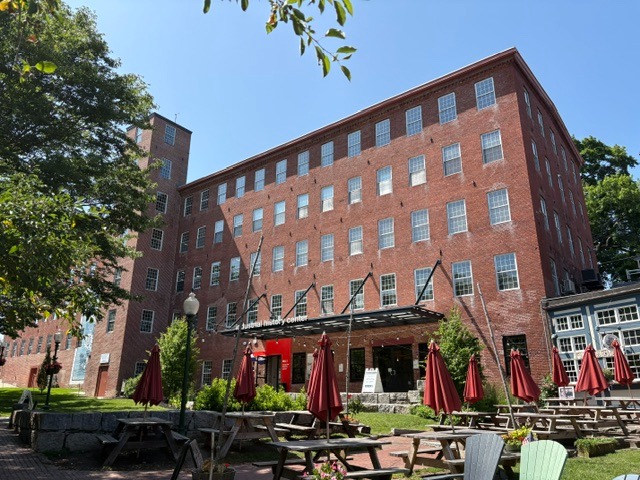
Mill 2
Mill 2 in Amesbury’s Upper Millyard preserves nearly two centuries of changing industry. Begun in 1825 and completed in 1827, the substantial brick building first housed textile manufacturing. Later occupants produced automobile bodies, sold hardware and interpreted the community’s industrial history. Its successive uses trace the changing work of a New England manufacturing town. The […]

