Massachusetts
Hometowns
Acton, MA
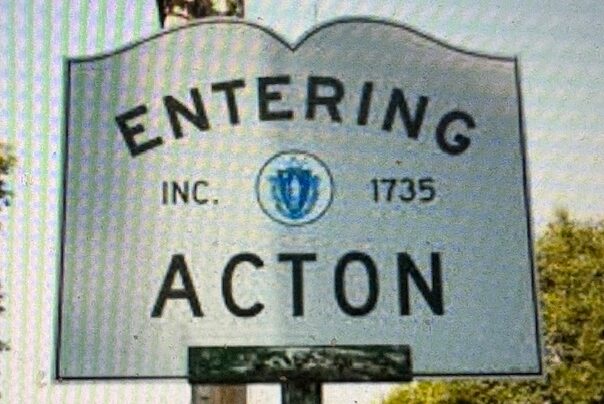
Acton was incorporated in 1735, formed from portions of Concord, Sudbury, and Stow, and is remembered for its militia’s role at the North Bridge on April 19, 1775, at the start of the American Revolution. It carries that proud Revolutionary spirit within the quiet character of a classic New England town. Acton is also personally meaningful to me — it is where our first daughter was born.
Amesbury, MA
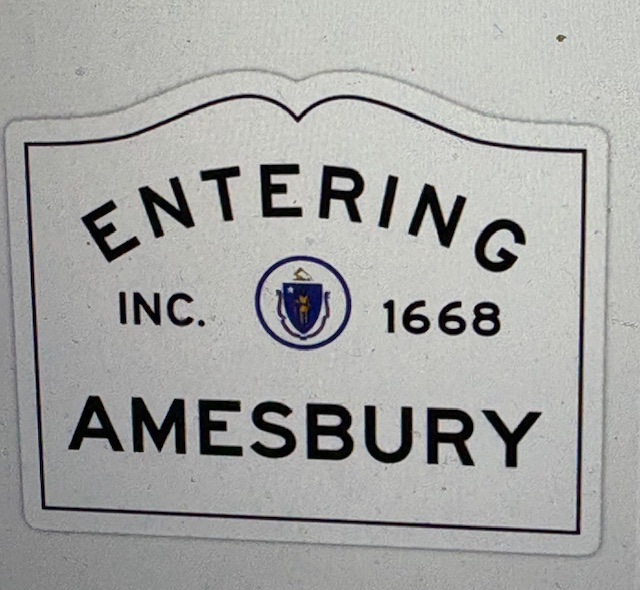
Amesbury was incorporated in 1668, beginning as an agricultural settlement along the Merrimack River before growing into a center of industry in the 19th century, particularly known for carriage manufacturing that helped shape early transportation in America. The town is closely associated with John Greenleaf Whittier, the abolitionist whose home still stands here, as well as Josiah Bartlett, who was born in this area and later became governor of New Hampshire. Today, Amesbury reflects these layers of history—river, industry, and reform—offering a story shaped by both innovation and ideas.
Canton, MA
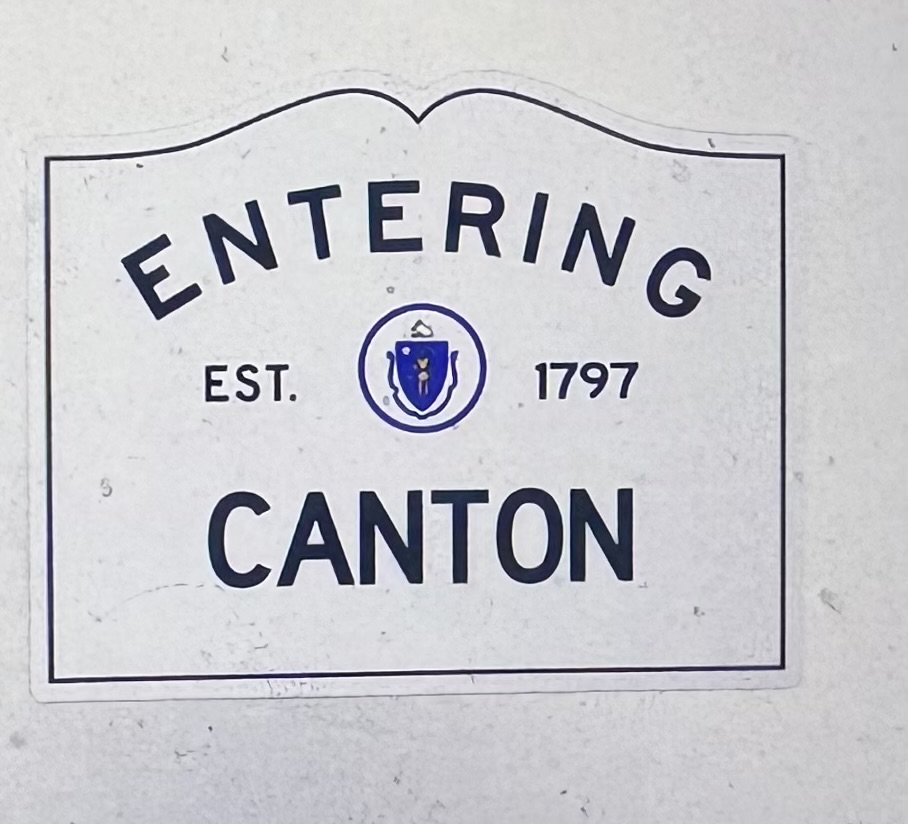
Canton was incorporated in 1797, formed from the southern district of Stoughton as the region developed into a small but active industrial community along the Neponset River. Early iron works, mills, and the copper rolling works established by Paul Revere helped place Canton among the important manufacturing towns of early Massachusetts. In the nineteenth century the town also became known for the Canton Viaduct, a remarkable granite railroad bridge built in 1835 for the Boston & Providence Railroad. Today Canton’s landscape reflects this blend of industry, transportation innovation, and early New England settlement.
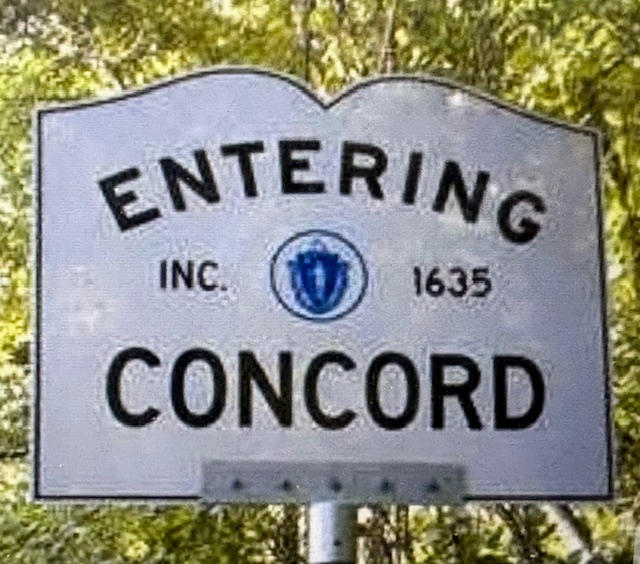
Concord, MA
Concord was incorporated in 1635, making it one of the oldest towns in Massachusetts, and it is forever linked to April 19, 1775, when the “shot heard ’round the world” was fired at the North Bridge. It later became a center of American literary and philosophical life, home to Emerson and Thoreau, whose ideas continue to shape our understanding of liberty and nature. Concord is especially meaningful to me because my daughters volunteered in its historic homes, and our daughter Emily attended Concord Academy, weaving our family story into the town’s remarkable history.
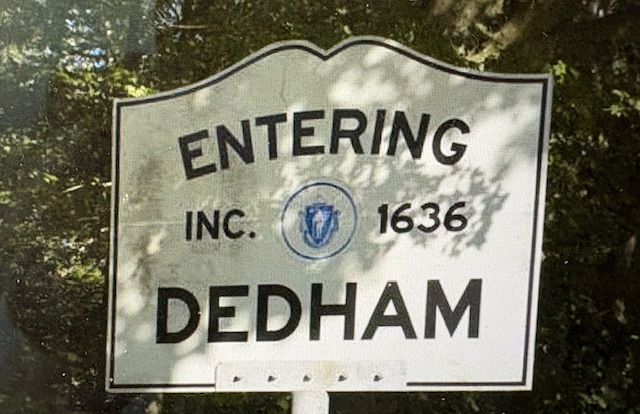
Dedham, MA
Dedham was incorporated in 1636, making it one of the earliest inland settlements in Massachusetts. Known for its strong civic structure and early town covenant, Dedham became a model of organized community life in colonial New England. Its historic town green, early meetinghouse traditions, and preserved homes reflect a town deeply rooted in shared governance and continuity.
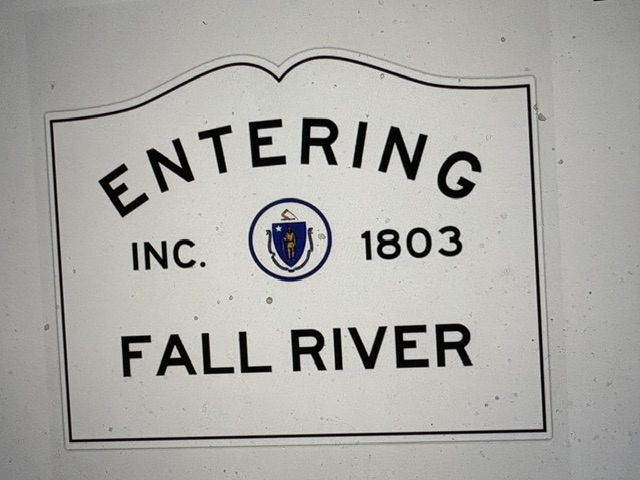
Fall River, MA
Fall River was incorporated in 1803, though its roots extend back to the colonial era when the area was settled along the Quequechan River and Mount Hope Bay. During the nineteenth century, the city emerged as one of the leading textile manufacturing centers in the United States, earning a reputation as the "Spindle City" for its vast network of cotton mills that powered the local economy and attracted generations of immigrant workers from around the world. Fall River is perhaps best known for two very different chapters of its history. It was the birthplace of the luxury ocean liner RMS Titanic, whose owner, the White Star Line, maintained strong connections to the city through the American Printing Company and local textile interests. The city is also forever linked to the infamous 1892 Lizzie Borden murders, one of the most famous unsolved cases in American history. Today, Fall River reflects these many layers of his history: maritime commerce, industry and immigration. Overlooking Mount Hope Bay and home to landmarks such as Battleship Cove and the Lizzie Borden House, the city tells the story of New England's industrial rise and the diverse communities whose labor and traditions helped shape.
Framingham, MA
Framingham was incorporated as a town in 1700 and became a city in 2018, reflecting its growth from a colonial farming community into a vibrant regional center. Historically known for its role in abolitionist activity and later for its industrial development along the rail lines, Framingham blends civic engagement with economic evolution. Today it remains one of MetroWest’s most dynamic communities, balancing historic roots with modern diversity and growth.
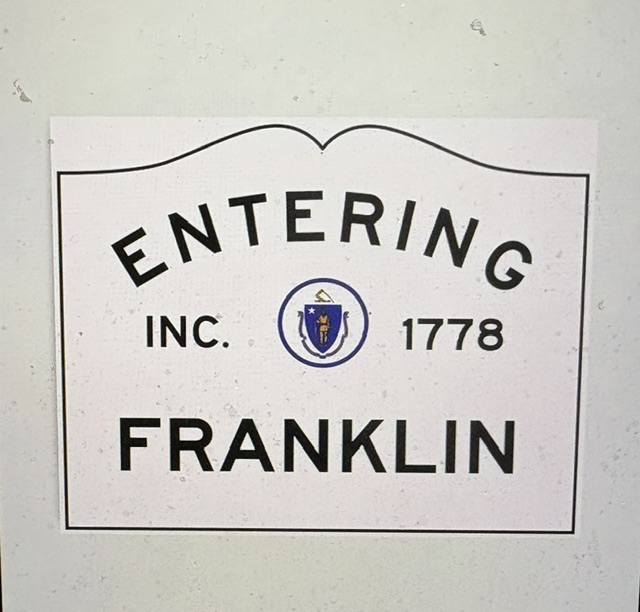
Franklin, MA
Franklin was incorporated in 1778, formed from portions of nearby Wrentham during the closing years of the American Revolution. The town was named in honor of Benjamin Franklin, who donated books to the community after learning the town could not afford a church bell. That gift became the foundation of what is recognized as America’s first public lending library, establishing Franklin’s long-standing connection to education, civic responsibility, and public service. Originally a rural farming community organized around its town common and meetinghouse, Franklin developed through the classic New England pattern of agriculture, small industry, and tightly connected civic life. Over time, the arrival of mills, railroads, and manufacturing helped transform the town while still preserving much of its historic character. Today, Franklin’s town common, historic churches, early homes, and public buildings reflect a community where education, local identity, and New England history remain closely intertwined.
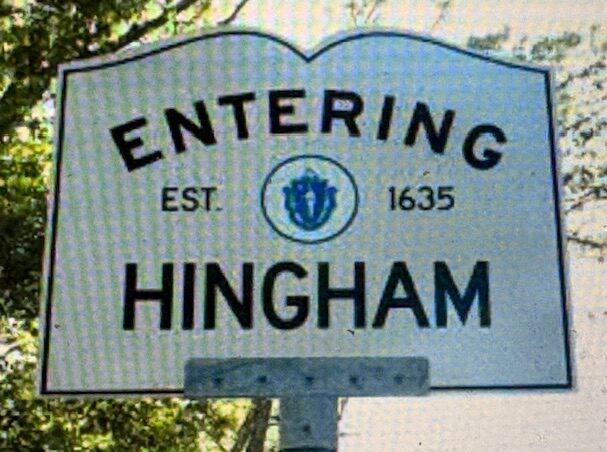
Hingham, MA
Hingham was incorporated in 1635, making it one of the oldest towns in Massachusetts. Settled largely by families from Hingham, England, it developed as a coastal shipbuilding and maritime community, with its harbor shaping both its economy and identity. Hingham’s preserved colonial homes and its historic meetinghouse reflect a town that has long balanced seafaring enterprise with deep New England roots.
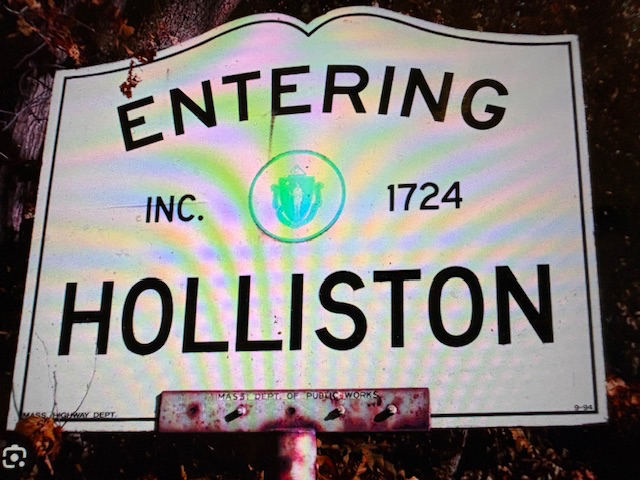
Holliston, MA
Holliston was incorporated in 1724, carved from the western lands of Sherborn, and developed as a small but industrious inland Massachusetts town. Its early economy was shaped by agriculture, small mills along its brooks, and the skilled trades that supported rural New England life. By the nineteenth century, Holliston became known for its boot and shoe manufacturing, joining many MetroWest towns that quietly fueled Massachusetts’ growing industrial strength.
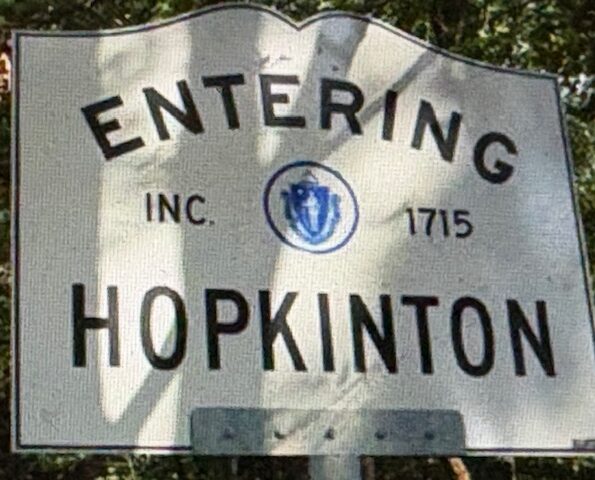
Hopkinton, MA
Hopkinton was incorporated in 1715, formed from portions of Sherborn and neighboring towns. It is best known as the starting point of the Boston Marathon, a tradition that has brought international recognition to this small New England community since 1924. Despite that global spotlight, Hopkinton retains the character of a historic rural town with strong civic pride and colonial roots.
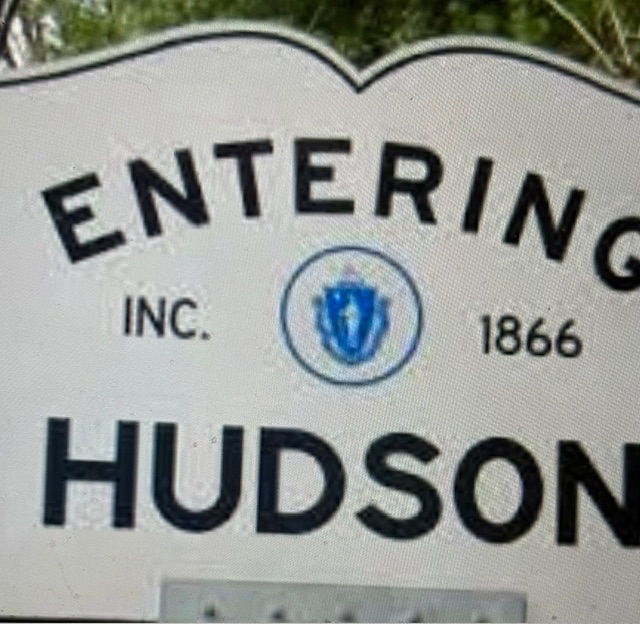
Hudson, MA
Hudson was incorporated in 1866, beginning as the industrial village of Feltonville along the Assabet River before separating from surrounding towns to form its own identity. In the 19th century, Hudson grew into a center of manufacturing, particularly known for its shoe industry, which helped supply a rapidly expanding nation. The mills and factories that once lined the river shaped both the economy and the daily life of the town. Today, Hudson reflects these layers of history, river, industry, and community, where its revitalized downtown and preserved landmarks tell the story of a working New England town that has adapted while still holding onto its roots.

