Brewster Chair
Among the objects in the Pilgrim Hall Museum, this simple wooden chair caught my attention. Known as the Brewster Chair and dating from approximately 1630–1670, it is believed to have belonged to William Brewster, one of the Mayflower passengers and the spiritual leader of Plymouth Colony.
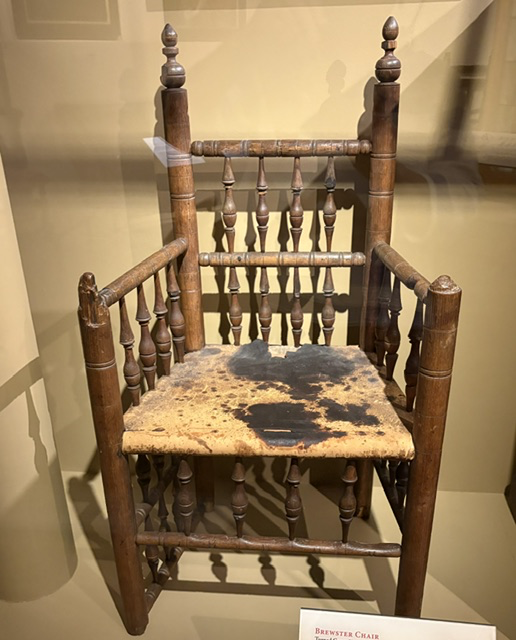
Brewster was already about 54 years old when he sailed aboard the Mayflower in 1620. He had been an important leader of the Separatist congregation during its years in Leiden and continued that role in Plymouth. Although he was not an ordained minister, Brewster served as the colony’s ruling elder, leading worship and providing spiritual guidance during the difficult years when the Plymouth church frequently had no permanent minister.
The museum identifies this as a “great chair”, a type of chair associated with men of authority and standing in a 17th-century community. At a time when many people sat on stools, benches, or simpler seating, a large turned chair with arms and a high back carried meaning beyond its practical purpose. Its elaborate turned spindles and imposing shape reflected the position of the person who occupied it.
The chair also has an unusually long connection to Brewster’s family. Pilgrim Hall received it in 1838 as a gift from Daniel Brewster, more than two centuries after William Brewster lived in Plymouth. That family history is part of what makes objects like this so fascinating. Long before museums began collecting Pilgrim artifacts, descendants were preserving possessions that had been handed from one generation to another.
Read More From Nancy
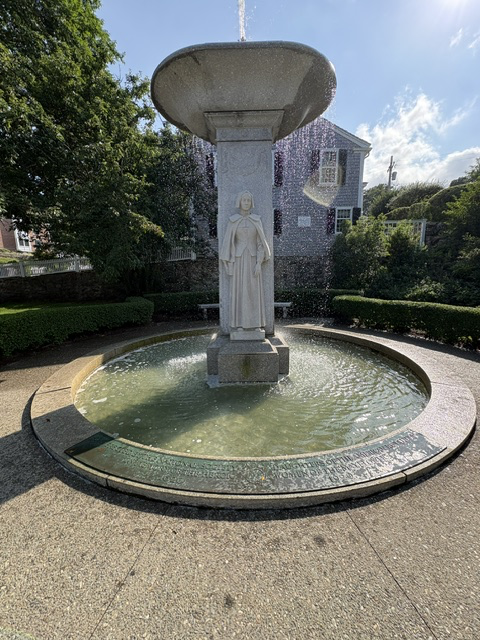
The Pilgrim Mother Fountain
Standing near Plymouth’s waterfront, the Pilgrim Mother Fountain honors the women who crossed the Atlantic aboard the Mayflower and helped establish Plymouth Colony. While the colony’s governors, ministers, and military leaders are frequently remembered by name, this monument turns attention toward the women whose courage and endurance were equally essential to the settlement’s survival. The […]
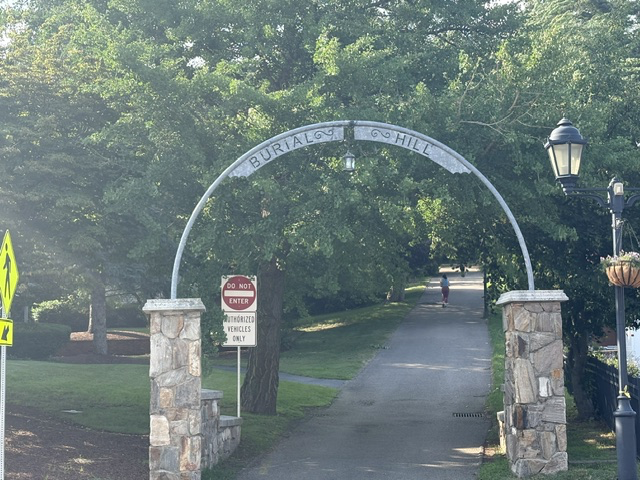
Burial Hill
Rising above Town Square at the upper end of Leyden Street, Burial Hill is one of Plymouth’s most significant historic places. Its elevation provides a commanding view of the harbor, the waterfront, and the route of the town’s first street. That view explains why the settlers initially used the hill for defense rather than burial. […]
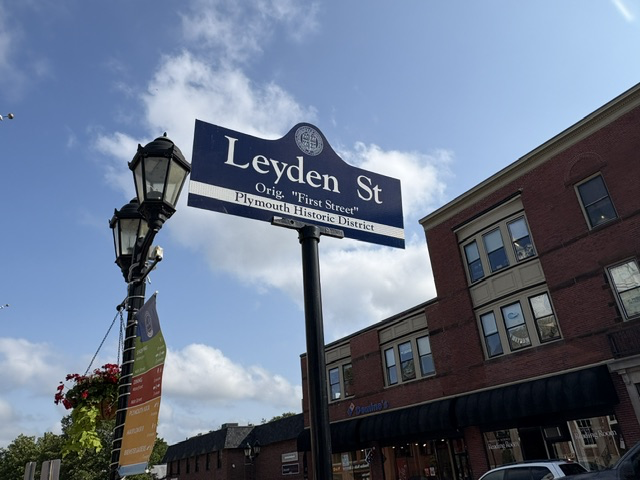
Leyden Street
Leyden Street is easy to overlook among Plymouth’s better-known landmarks. It is not lined with houses preserved from 1620, nor does it resemble a reconstructed colonial village. Modern businesses, homes, vehicles, and signs now occupy the street. Its importance lies beneath those later changes: the route itself follows the first street laid out by the […]

