1749 Court House
Standing at the top of Town Square is Plymouth’s historic 1749 Court House, a building that has witnessed nearly three centuries of the town’s civic life. Erected in 1749, when Plymouth was still part of the Province of Massachusetts Bay under British rule, it served as the courthouse for Plymouth County and is believed to be the oldest surviving wooden courthouse in the United States.
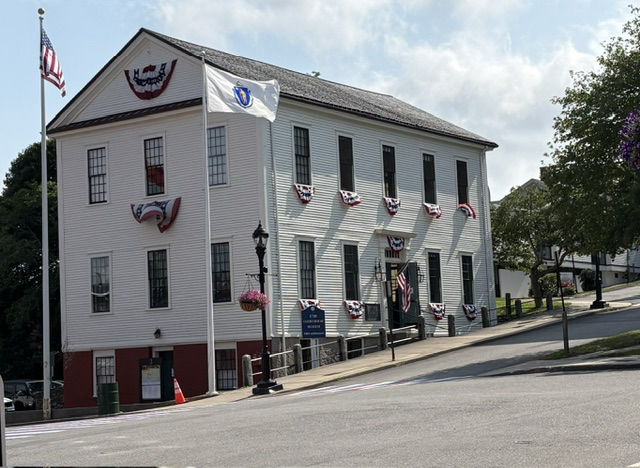
The building was more than a courthouse. The first floor was used for county offices, while the large second-floor chamber provided space for court proceedings and Town Meetings. Before the Revolution, members of Plymouth’s local government gathered here to debate the issues confronting the community. The building therefore stood at the center of both justice and local government during the years when tensions between Massachusetts and Great Britain were steadily increasing.
One particularly interesting connection is James Warren, a prominent Plymouth patriot who served as clerk of the court here. Warren became an important revolutionary leader, while his wife, Mercy Otis Warren, became one of the era’s most influential political writers and later wrote an important early history of the American Revolution. Buildings like this remind us that the Revolution was not shaped only in Boston and Philadelphia. Discussions, arguments, votes, and decisions were taking place in town halls and courthouses throughout Massachusetts.
After a new courthouse was built in 1820, this building continued to serve Plymouth in many ways. It became Plymouth’s Town House and later housed municipal offices. Over the years it was also used for schools and other community purposes. Remarkably, the building survived while the town around it changed dramatically.
There is something remarkable about standing inside a building that was already more than 25 years old when the American Revolution began. The people who gathered here could not have known the events that were about to transform their colony and their country. Yet the courthouse remained, serving one generation after another. Nearly three centuries later, it still occupies its place above Town Square, a survivor from colonial Plymouth that has become part of the history it once witnessed.
Read More From Nancy
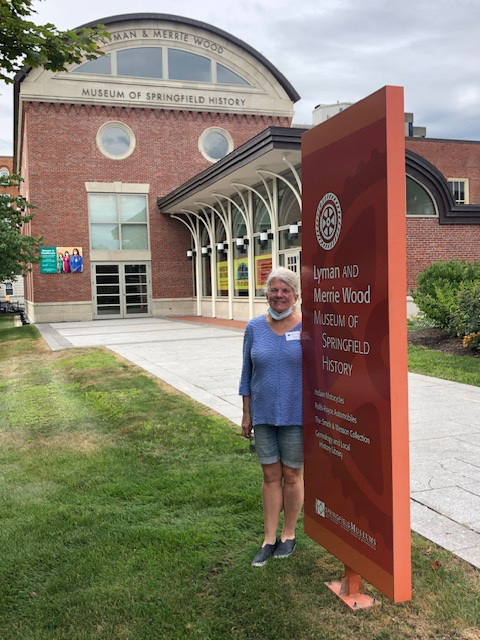
The Lyman and Merrie Wood Museum
Springfield has a remarkable number of stories to tell about things made here. Motorcycles, automobiles, dictionaries, games, and precision machinery all came from a city whose workers and inventors shaped life far beyond western Massachusetts. When we visited the Lyman and Merrie Wood Museum of Springfield History, we found a place built to bring those […]
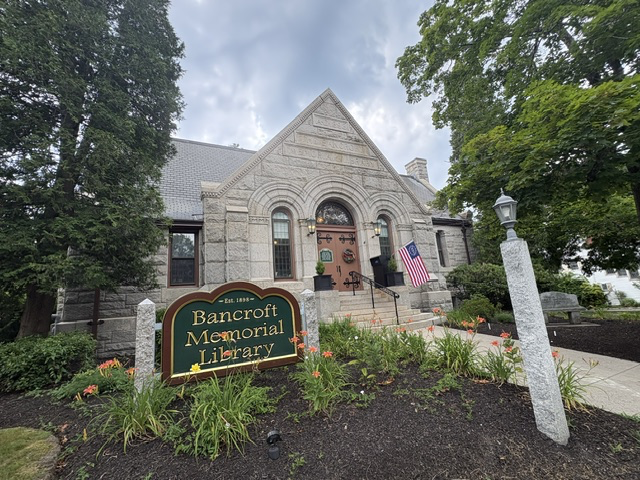
Bancroft Memorial Library
Standing in the center of Hopedale, the Bancroft Memorial Library is much more than a public library. It is the keeper of the town’s memory, preserving the stories of the people whose ideas, industry, and generosity shaped this remarkable community. Completed in 1898, the library was a gift from George and Eben Draper in memory […]
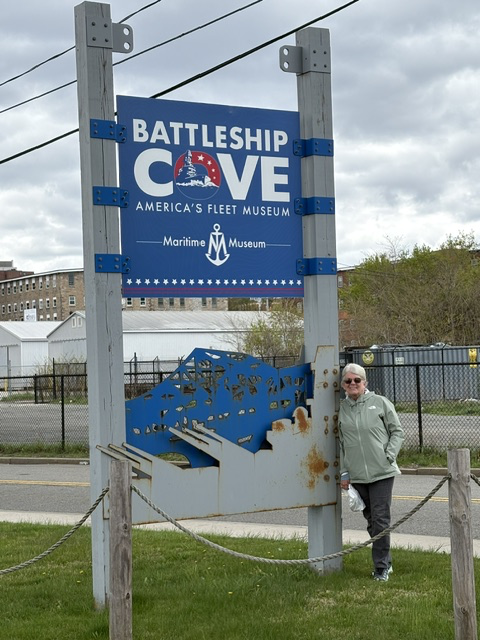
Battleship Cove
One of the highlights of our visit to Fall River was Battleship Cove, home to the largest collection of historic naval vessels in the world. Located along the waterfront of Mount Hope Bay, this remarkable museum preserves ships that served during World War II and the Cold War, allowing visitors to step aboard and experience […]

