Hedge House
Along Water Street, not far from Plymouth Harbor, stands the elegant Hedge House, a reminder that Plymouth’s story extends far beyond the arrival of the Mayflower. Built in 1809, nearly two centuries after the founding of the colony, the house represents a very different period in the town’s history when Plymouth had developed into a prosperous maritime community.
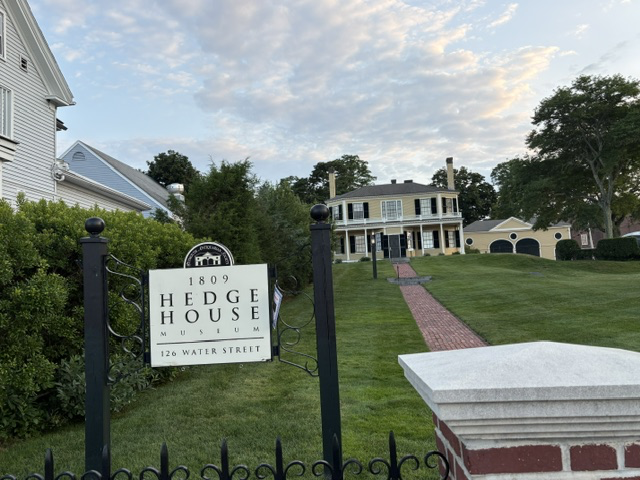
The house was built for William Hammatt, a successful merchant and shipowner. Its size and refined Federal-style architecture reflected the prosperity generated by Plymouth’s growing maritime economy. In the early 19th century, the harbor was busy with vessels engaged in fishing, coastal commerce, and international trade. Homes such as this one tell the story of the merchants, sea captains, craftsmen, and families whose lives were tied to that activity.
The house later became associated with Thomas Hedge, whose family owned it for many years and gave the building the name by which we know it today. Remarkably, this is not its original location. The house once stood closer to the center of Plymouth, but in 1919 it was moved to Water Street to save it from demolition. Today it is preserved by the Plymouth Antiquarian Society as a historic house museum.
I like finding places such as the Hedge House because they broaden our understanding of Plymouth. It is easy to think of this town almost entirely in terms of 1620, but Plymouth did not stop developing once the familiar Pilgrim story ended. The Hedge House takes us forward almost two hundred years and introduces another Plymouth, a thriving coastal town whose fortunes and families were still deeply connected to the harbor.
Read More
Read More From Nancy
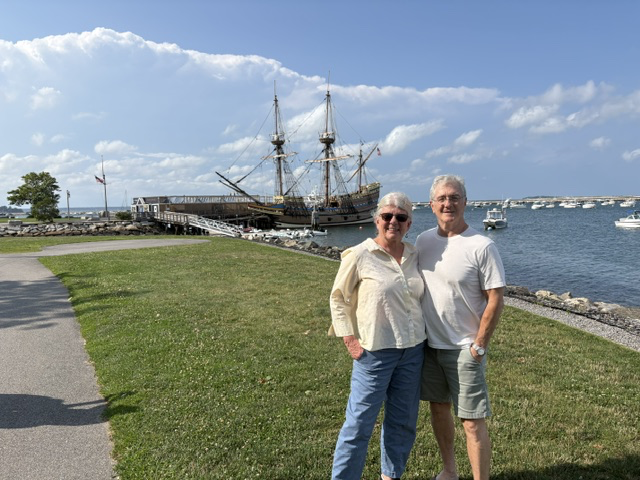
The Mayflower
Standing along the Plymouth waterfront, Mayflower II immediately connects the town to the story that has defined it for more than four centuries. The ship behind us is not the original Mayflower, but a full-scale reproduction built in England and sailed across the Atlantic in 1957 as a symbol of friendship between the United States […]
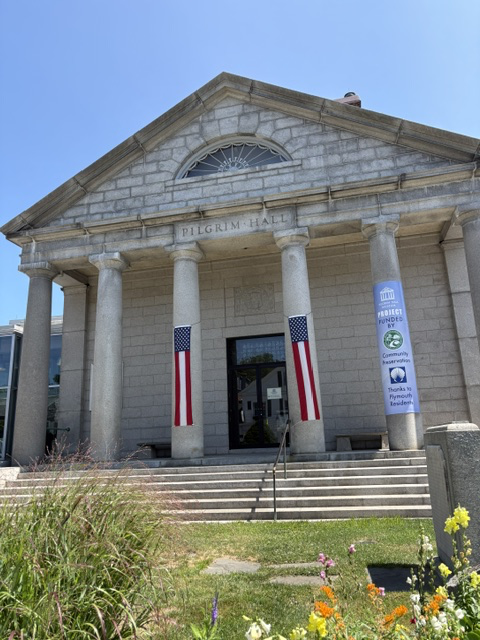
Pilgrim Hall Museum
Just a few blocks from the Plymouth waterfront stands Pilgrim Hall Museum, another place where the story of Plymouth becomes tangible. Founded by the Pilgrim Society in 1824 and opened the following year, it is the oldest continuously operating public museum in the United States. The imposing granite building was designed specifically to preserve the […]
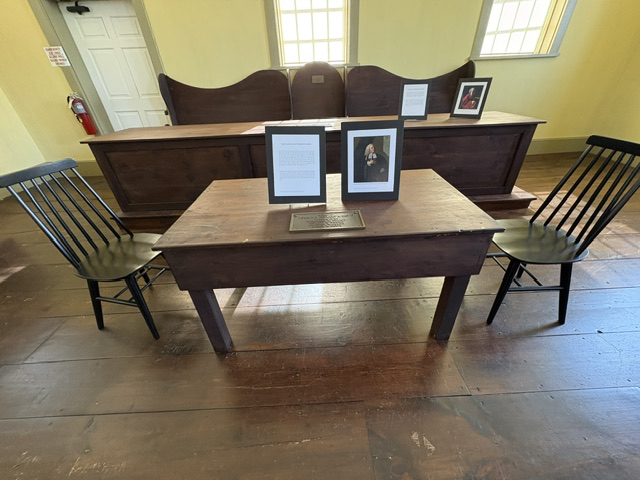
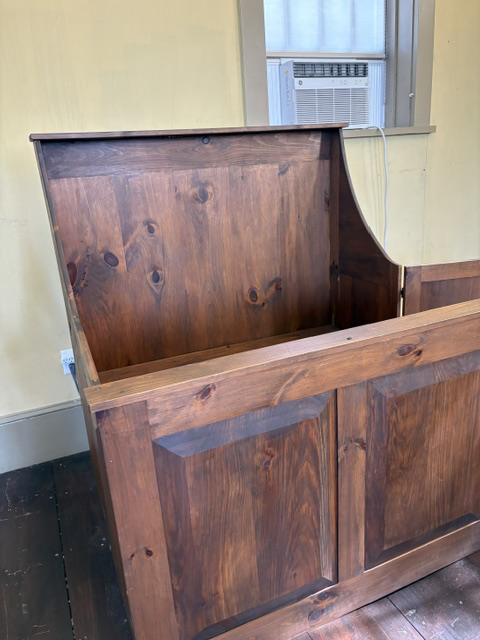
Clerk and Attorney’s Table
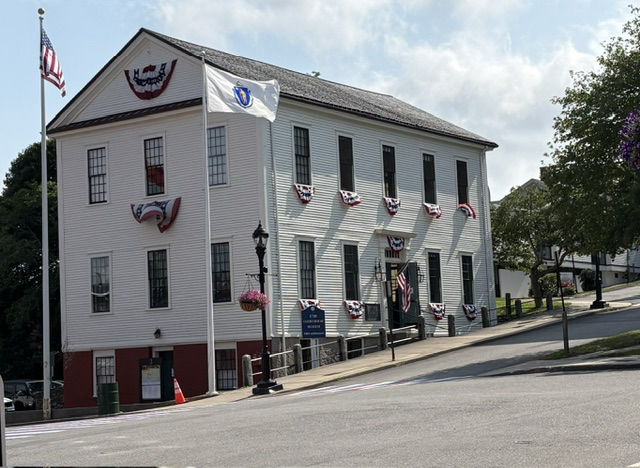
Directly in front of the justices’ bench in Plymouth’s 1749 Court House sits the clerk and attorneys’ table. Its position at the center of the courtroom reflects the important work that took place here as each case moved through the colonial court. The court clerk was responsible for creating the official written record of the […]

