Chatham, MA
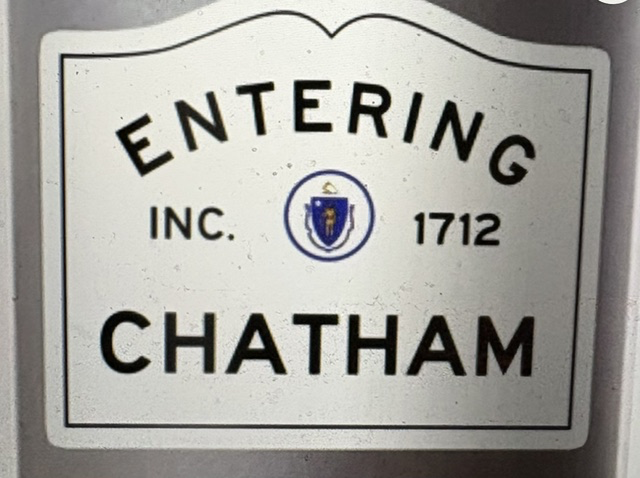
Long before European settlement, the area now known as Chatham was home to the Monomoyick people, who sustained their communities through farming, hunting and fishing. English settlers arrived during the 1660s, and the community, originally known as Monomoit, was incorporated as Chatham in 1712. Located at the elbow of Cape Cod, the town developed around agriculture, fishing, whaling, shipping and other maritime enterprises. Its surrounding shoals and shifting coastline also made these waters particularly dangerous, leading to the establishment of lighthouses and lifesaving stations.
Today, Chatham’s lighthouse, fishing pier, historic homes, museums and preserved coastal landscapes reflect more than three centuries of town history and the much older story of the people who lived here before European settlement. Its working harbor, traditional downtown and access to the beaches and wildlife of Monomoy preserve its strong connection to the sea. Exploring Chatham allowed us to experience another of Cape Cod’s distinctive communities, where maritime history remains an important part of everyday life.
Recent Posts
Measuring History Through Hats
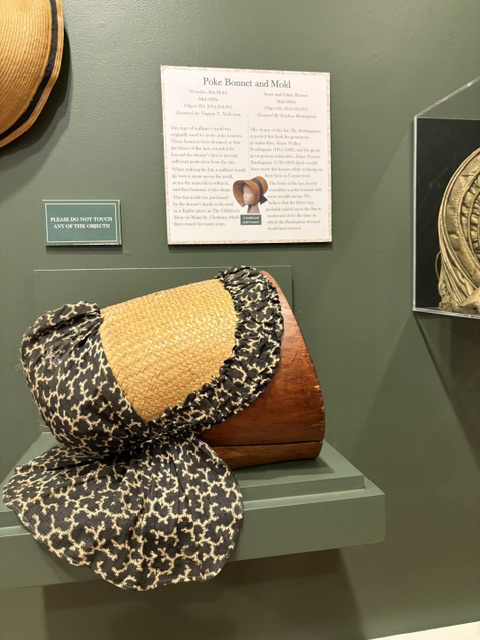
It is always interesting to measure the passage of history through an ordinary object. At the Atwood Museum, the history of hats becomes a timeline of changing customs, occupations, technology and fashion. What people placed on their heads was rarely chosen for appearance alone. Hats offered protection, identified social position and occupation, reflected expectations of […]
Home Front Artifacts
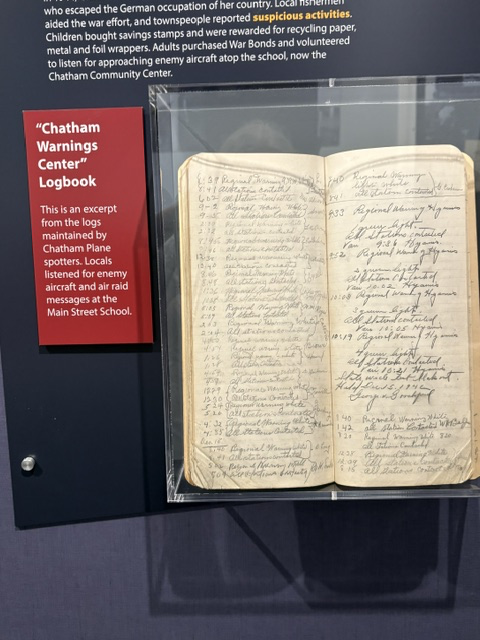
During World War II, the war effort extended far beyond the battlefields of Europe and the Pacific. In towns throughout the United States, ordinary citizens were asked to remain alert, conserve essential supplies, raise money and contribute whatever they could to support the country. Two artifacts preserved at the Marconi-RCA Wireless Museum: the Chatham Warning […]
William and Anne Nickerson
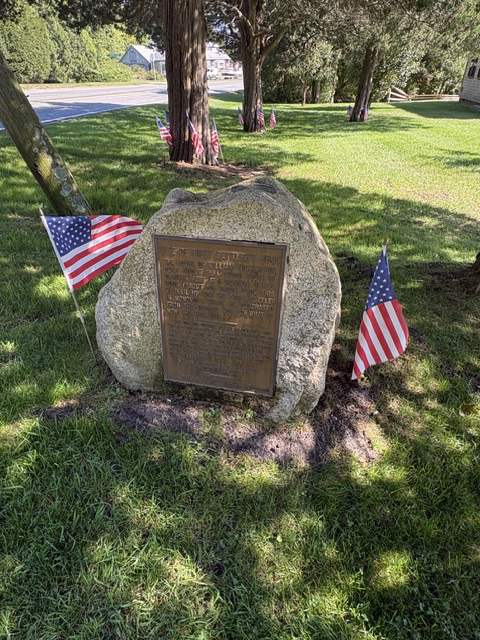
William and Anne Busby Nickerson occupy an important place in the history of Chatham as its first permanent English settlers. Their arrival, however, did not mark the beginning of human history here. The region was already known as Monomoit or Monomoyick and was home to the Monomoy people. The Nickerson story is therefore one of English settlement, family determination […]
Alice Stallknecht’s Murals of a New England
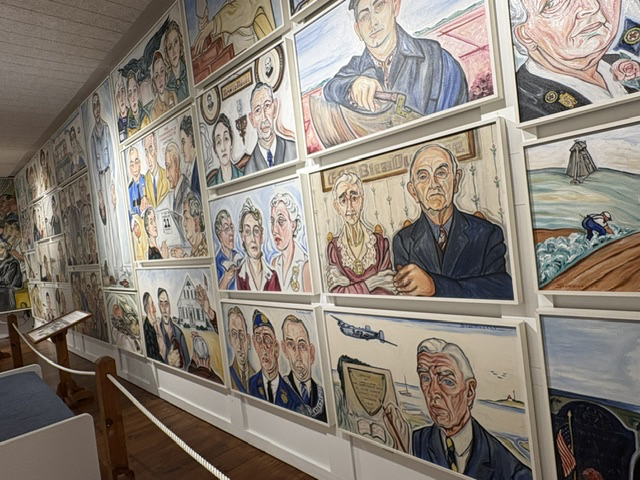
During the 1930s and 1940s, artist Alice Stallknecht created a series of murals that combined religious imagery with portraits of the people, occupations and institutions of Chatham. Rather than placing biblical figures in a distant historical setting, she presented Christ as a contemporary working man surrounded by recognizable members of the local community. Her first […]
Guglielmo Marconi
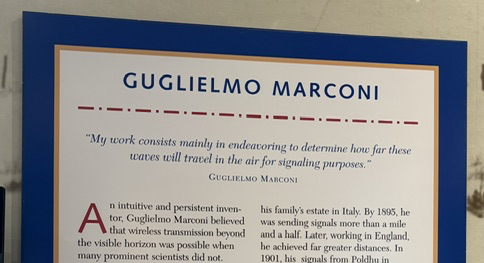
Guglielmo Marconi was born in Bologna, Italy, in 1874. As a young man, he became convinced that recently discovered electromagnetic waves could be used to send messages without wires. Working with simple equipment on his family’s property, he began experimenting with the transmission of wireless signals. By 1895, Marconi had succeeded in sending a signal […]
Rediscovering the William and Anne Nickerson Homestead
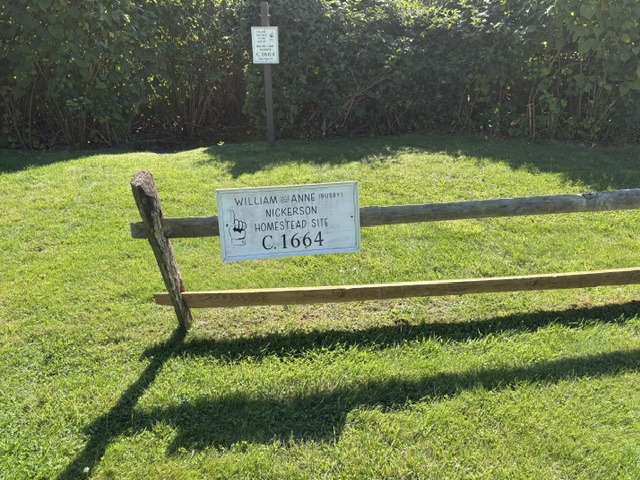
For centuries, records indicated that William and Anne Busby Nickerson had established their Chatham homestead near Ryder’s Cove around 1664. The general location was known, but the house itself had disappeared. No complete description survived, and little was understood about its size, construction or the daily lives of the people who occupied it. That began […]
Tisquantum (Squanto) Memorial
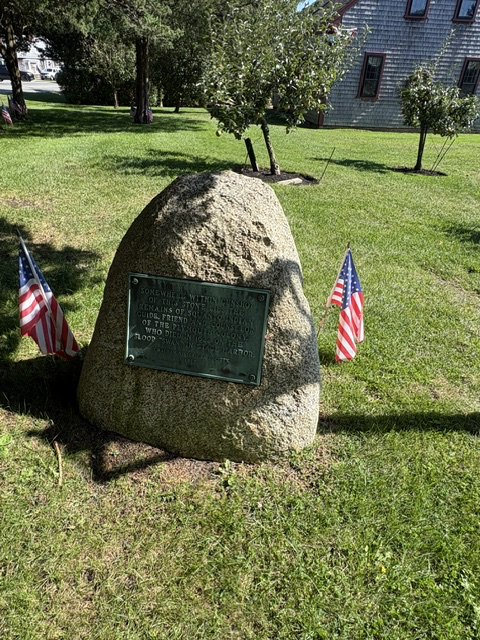
Tisquantum, better known as Squanto, is most often remembered as the Native American who helped the English settlers at Plymouth survive their first difficult years. His complete story, however, is far more complicated. It is a story of kidnapping, enslavement, survival, cultural displacement and an extraordinary ability to move between two very different worlds. Tisquantum […]
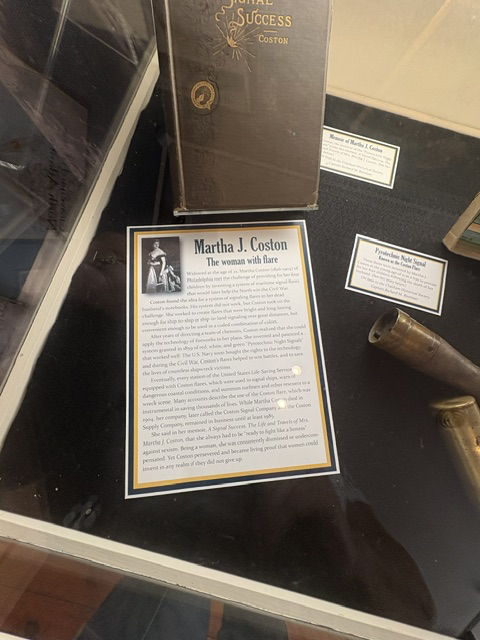
Martha J. Coston and the Signals That Saved Lives
Before radio, ships traveling at night had few reliable ways to communicate with one another or with people on shore. Flags could not be seen in darkness, and lanterns lacked the brightness and distinctive patterns needed to carry clear messages across long distances. Martha J. Coston helped solve this problem by developing a system of […]
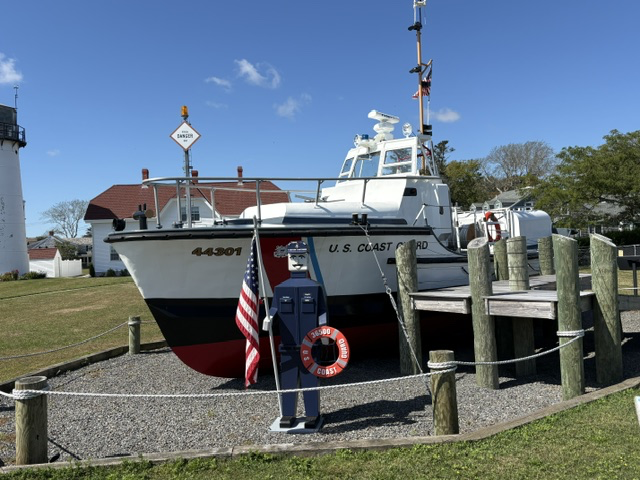
U.S. Coast Guard Motor Lifeboat CG44301
Displayed near Chatham Lighthouse, the U.S. Coast Guard motor lifeboat CG44301 represents nearly half a century of lifesaving service and Chatham’s enduring relationship with the sea. Completed in 1963 at the Coast Guard Yard in Curtis Bay, Maryland, CG44301 was the first production model in a new class of 44-foot motor lifeboats. It was assigned […]
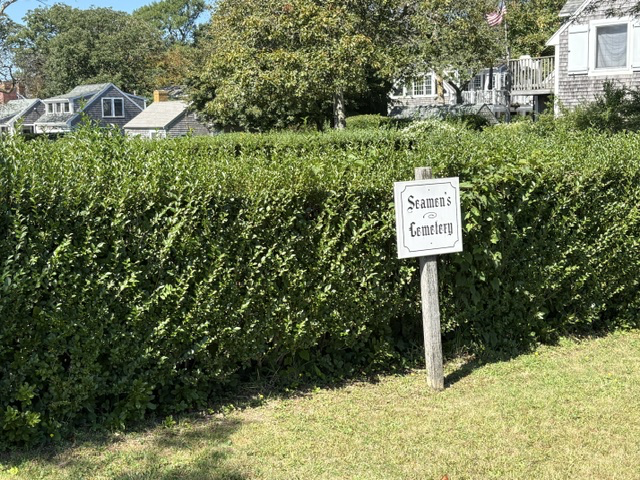
Seamen’s Cemetery
Near Chatham Lighthouse, a small burial ground enclosed by carefully trimmed hedges preserves one of the town’s lesser-known connections to the sea. Known as the Seamen’s Cemetery, it contains the remains of sailors whose bodies were recovered from the waters and beaches around Chatham. Chatham occupies the southeastern “elbow” of Cape Cod, where shifting shoals, […]
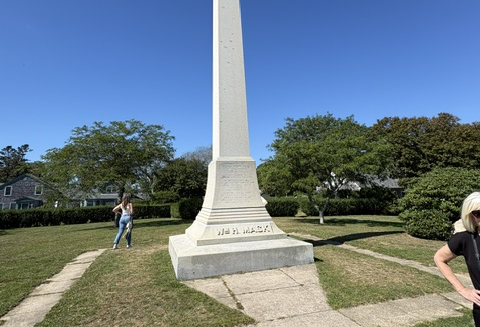
Mack Memorial
Standing near Chatham Lighthouse, the Mack Memorial recalls one of the most devastating tragedies in the history of the United States Life-Saving Service. During a powerful northeast gale on March 17, 1902, the coal barge Wadena became stranded on Shovelful Shoal, off Monomoy Point. Five men were trapped aboard, including the vessel’s owner, William Henry Mack. Keeper […]
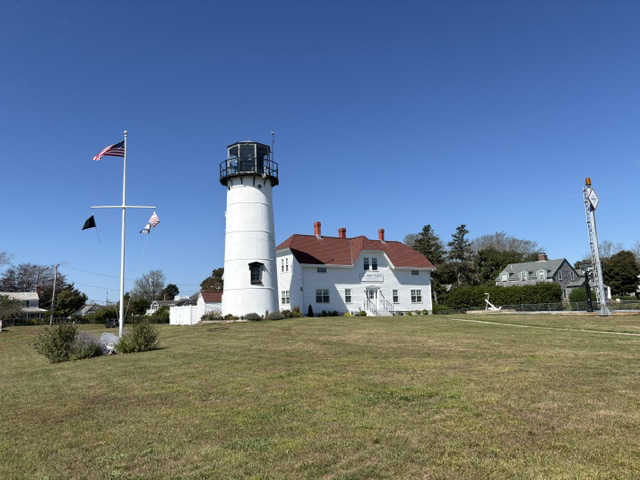
Chatham Lighthouse
Chatham Lighthouse was established in 1808 during the presidency of Thomas Jefferson to guide vessels around the dangerous waters and shifting shoals near the elbow of Cape Cod. It was the second lighthouse station constructed on the Cape. Unlike most stations, Chatham originally had two wooden towers. The twin lights distinguished Chatham from the single […]

