Alice Stallknecht’s Murals of a New England
During the 1930s and 1940s, artist Alice Stallknecht created a series of murals that combined religious imagery with portraits of the people, occupations and institutions of Chatham. Rather than placing biblical figures in a distant historical setting, she presented Christ as a contemporary working man surrounded by recognizable members of the local community.
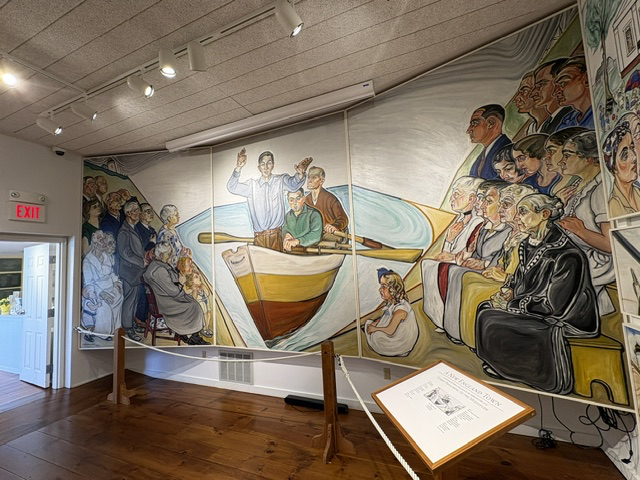
Her first major mural, Christ Preaching to the Multitude, was painted during the early 1930s for the First Congregational Church of Chatham. Christ is represented by a local fisherman who delivers his message from a dory. The congregation gathered around him consists of people Stallknecht knew in Chatham, connecting the traditional biblical scene with the town’s maritime identity.
Her second mural cycle, The Circle Supper, was created between 1935 and 1943. Composed of nineteen separate canvases, it depicts a communal church supper attended by members of the congregation. Christ offers the blessing while the townspeople sit together as equals. Stallknecht viewed these shared meals as an expression of democracy—a place where everyone could be welcomed, fed and seated together.
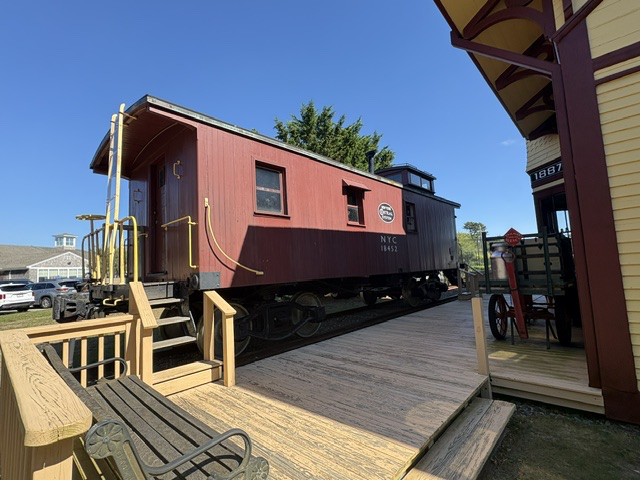
After the church requested that the murals be removed in 1943, Stallknecht purchased an abandoned railroad freight building and moved it to her property. The building provided a permanent setting for the paintings and space for another mural cycle.
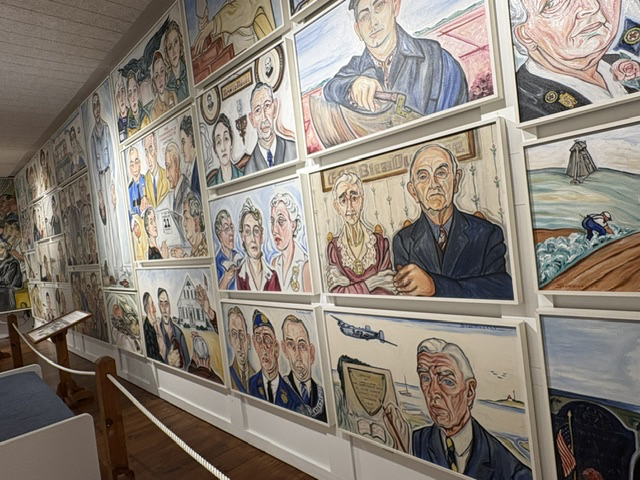
Completed in 1945, Every Man to His Trade consists of thirty canvases portraying the working life of Chatham. Fishermen, lobstermen, shell fishermen, shipwrights, teachers, veterans, scouts and town officials appear alongside local churches, schools, boats, cemeteries and public buildings. Christ stands among them as a carpenter, emphasizing the dignity of labor and the spiritual value Stallknecht associated with ordinary work.
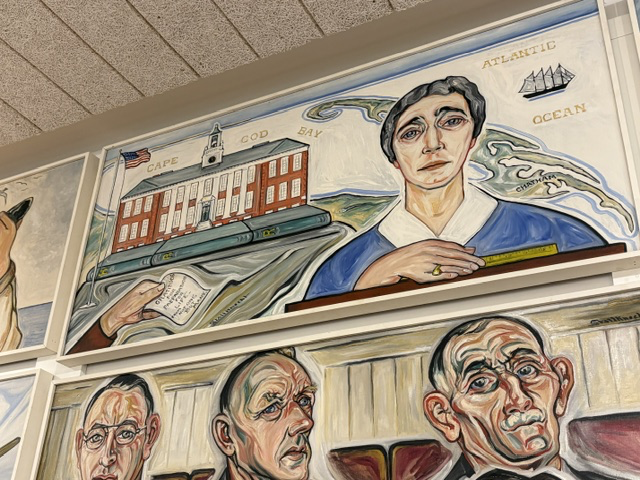
The murals form a collective portrait of Chatham during the years surrounding the Great Depression and the Second World War. The faces belong to people who lived in the community, while the occupations and settings document the economic, religious and civic life of the town. Together, the murals preserve Stallknecht’s distinctive interpretation of a New England community.
Read More From Nancy
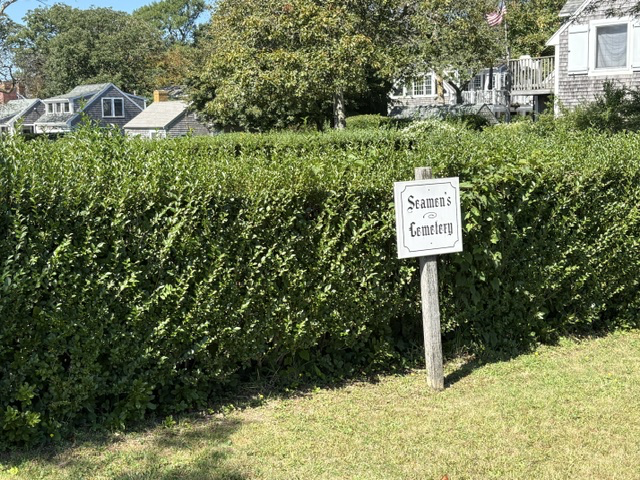
Seamen’s Cemetery
Near Chatham Lighthouse, a small burial ground enclosed by carefully trimmed hedges preserves one of the town’s lesser-known connections to the sea. Known as the Seamen’s Cemetery, it contains the remains of sailors whose bodies were recovered from the waters and beaches around Chatham. Chatham occupies the southeastern “elbow” of Cape Cod, where shifting shoals, […]
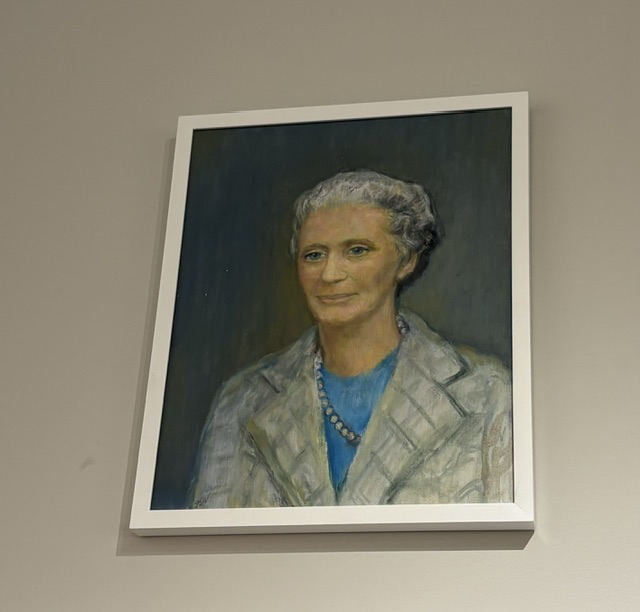
The Life of Alice Stallknecht
Alice Stallknecht was born in New York City in 1880 and developed an interest in becoming a professional artist while still young. From 1898 to 1901, she studied illustration at the New York School of Applied Design for Women, an institution created to provide women with practical artistic training and opportunities for professional employment. She […]
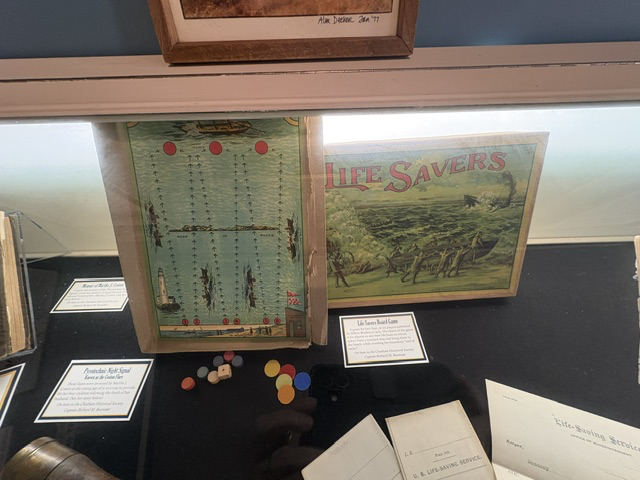
Life Savers and the Rise of American Board Games
The game Life Savers transformed the dangers of a shipwreck into a contest of rescue. Produced by the Milton Bradley Company near the turn of the twentieth century, the game challenged players to send lifeboats to a wrecked vessel, rescue its sailors, and return them safely to shore. Its illustrated cover, playing board, spinner, and colored pieces […]

