Chatham Lighthouse
Chatham Lighthouse was established in 1808 during the presidency of Thomas Jefferson to guide vessels around the dangerous waters and shifting shoals near the elbow of Cape Cod. It was the second lighthouse station constructed on the Cape. Unlike most stations, Chatham originally had two wooden towers. The twin lights distinguished Chatham from the single light at Truro and helped mariners align their vessels with the changing entrance channel.
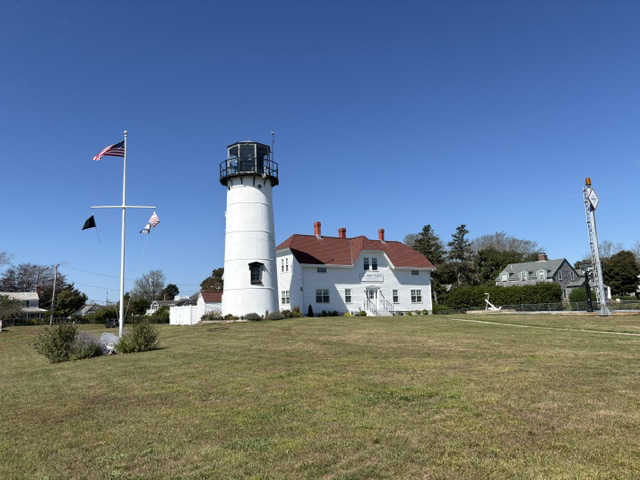
Because the shoreline constantly changed, the original towers were built on wooden skids so they could be repositioned. They were replaced by brick towers in 1841, but continued erosion threatened the station. In 1877, two new cast-iron towers and a keeper’s residence were constructed farther inland. When improved lighting technology made two towers unnecessary, one was moved to Eastham in 1923, where it became the present-day Nauset Light. Chatham’s remaining tower continued operating alone.
The lighthouse also became part of a working Coast Guard station. One of its most famous operations occurred during a severe winter storm on February 18, 1952, when the oil tanker Pendleton broke apart off Cape Cod. A four-man Coast Guard crew left Chatham in the motor lifeboat CG-36500 and crossed the dangerous Chatham Bar. Although the boat was designed to carry far fewer people, the crew rescued 32 men from the tanker’s stern section and returned them safely to shore.
Chatham Light remains an active navigational aid overlooking the Atlantic Ocean and Chatham Bar. Its history reflects more than two centuries of efforts to protect mariners along a coastline continually reshaped by storms, currents and erosion.
Read More From Nancy
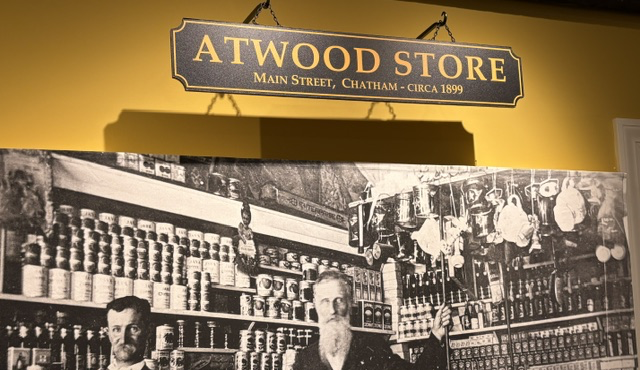
The Atwood Store
The Atwood Store was one of Chatham’s earliest markets. Levi Atwood opened the business in 1849 near the corner of Atwood Street, now Stage Harbor Road, and Cedar Street. It was later moved to Main Street, where it remained in operation until the Atwood family sold it in 1965. Like many 19th-century general stores, the […]
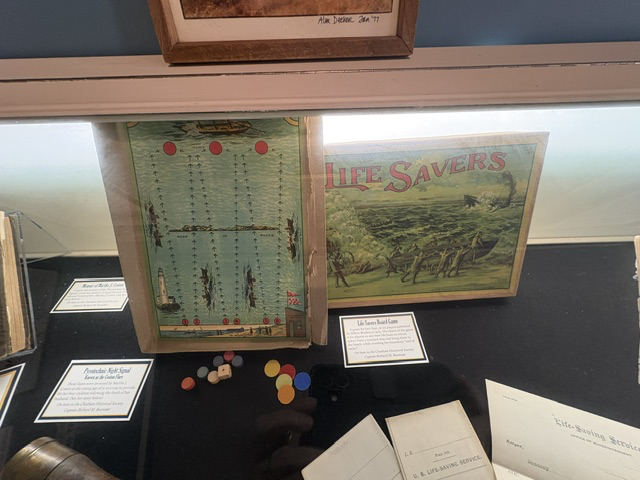
Life Savers and the Rise of American Board Games
The game Life Savers transformed the dangers of a shipwreck into a contest of rescue. Produced by the Milton Bradley Company near the turn of the twentieth century, the game challenged players to send lifeboats to a wrecked vessel, rescue its sailors, and return them safely to shore. Its illustrated cover, playing board, spinner, and colored pieces […]
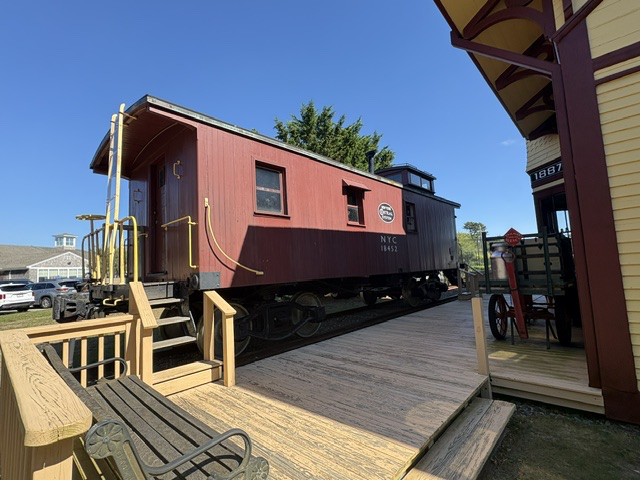
New York Central Caboose No.18452
For generations, the caboose was a familiar sight at the end of an American freight train. It served as a mobile office, observation post and temporary living space for the conductor and brakemen responsible for managing the train’s cargo and safe operation. New York Central Caboose No. 18452 was constructed in the railroad’s shops in […]

