Amesbury, MA
Amesbury was incorporated in 1668, beginning as an agricultural settlement along the Merrimack River before growing into a center of industry in the 19th century, particularly known for carriage manufacturing that helped shape early transportation in America. The town is closely associated with John Greenleaf Whittier, the abolitionist whose home still stands here, as well as Josiah Bartlett, who was born in this area and later became governor of New Hampshire. Today, Amesbury reflects these layers of history—river, industry, and reform—offering a story shaped by both innovation and ideas.
Recent Posts
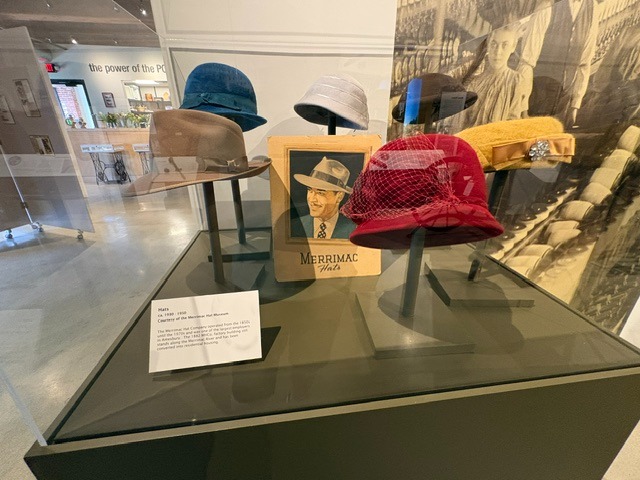
Merrimac Hats
The hats preserved at Amesbury’s Industrial History Center represent an industry that connected local factory workers with customers across the country. Dating from approximately 1930 to 1950, the display includes both men’s and women’s styles. Their varied shapes, colors and decorative details reveal the range of products associated with the Merrimac name. Established in 1856, […]
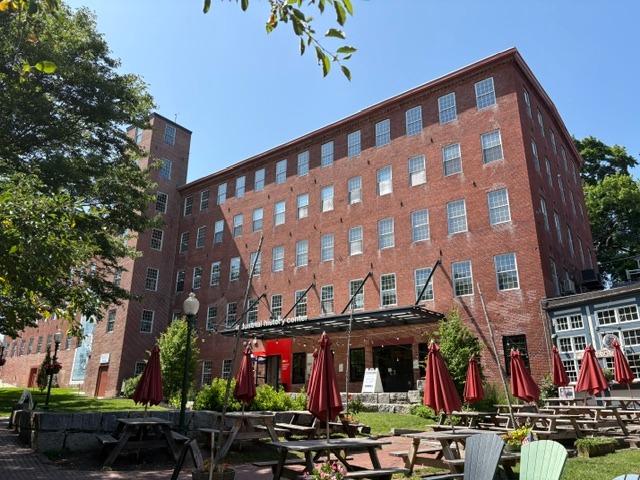
Mill 2
Mill 2 in Amesbury’s Upper Millyard preserves nearly two centuries of changing industry. Begun in 1825 and completed in 1827, the substantial brick building first housed textile manufacturing. Later occupants produced automobile bodies, sold hardware and interpreted the community’s industrial history. Its successive uses trace the changing work of a New England manufacturing town. The […]
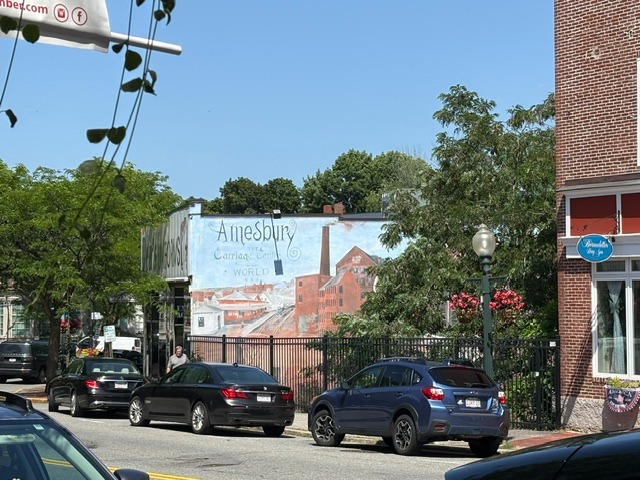
Carriage Capital of the World
The “Carriage Capital of the World” mural in downtown Amesbury recalls an industry that carried the town’s reputation far beyond Massachusetts. Beginning in the early 1850s, local manufacturers developed a thriving trade in finely crafted horse-drawn vehicles. Carriage making became a defining part of Amesbury’s identity, joining the textile mills and other enterprises already established […]
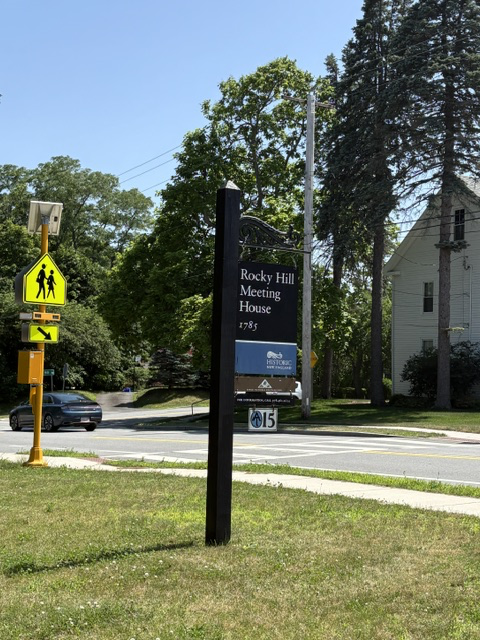
Rocky Hill Meeting House
Driving through Amesbury, it would be easy to pass the Rocky Hill Meeting House without realizing how special it is. Standing on a rise above the road, this simple white building has been part of the landscape since the eighteenth century and remains one of the best-preserved early meeting houses in New England. Built in […]
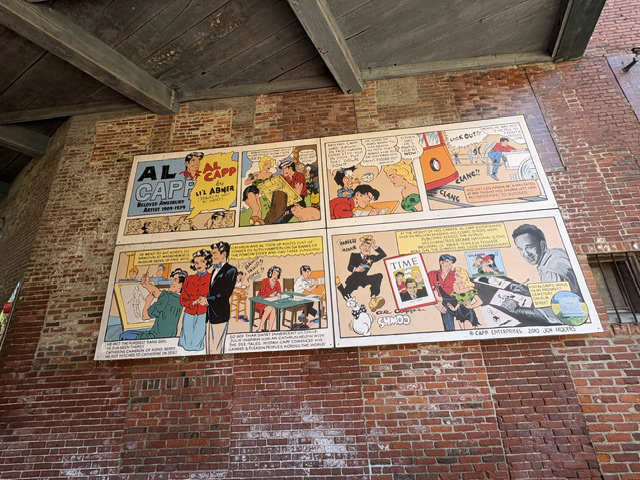
Al Capp and Li’l Abner
Walking through the old mill area in downtown Amesbury, I came across this enormous comic strip painted directly onto the brick wall beneath the archway. It honors cartoonist Al Capp and the remarkable career he built while making Amesbury his home. Al Capp was born Alfred Gerald Caplin in New Haven, Connecticut, in 1909. He […]
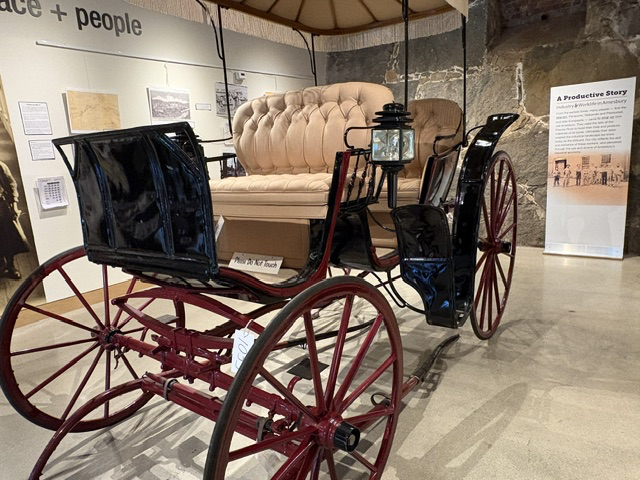
Amesbury Carriage Museum
Every town has a story that shaped its identity. For Amesbury, that story was built on wheels. Long before automobiles transformed the American landscape, Amesbury was recognized around the world as one of the finest centers of carriage manufacturing. During the nineteenth century, the city’s factories produced elegant coaches, family wagons, commercial vehicles, and luxury […]
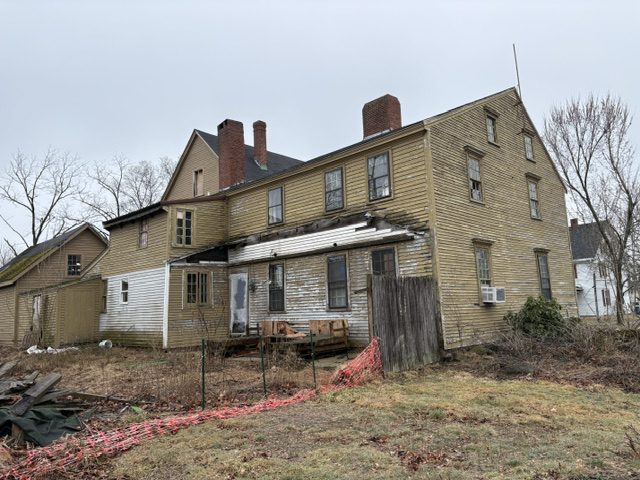
Captain Bagley House
The Currier-Bagley-Huntington House is one of the oldest surviving structures connected to Amesbury’s early maritime and colonial history. Though now weathered and in disrepair, the house still carries the appearance of an early New England home that evolved over generations as families added rooms and altered the structure over time. The house is closely tied to Captain Valentine Bagley, the […]
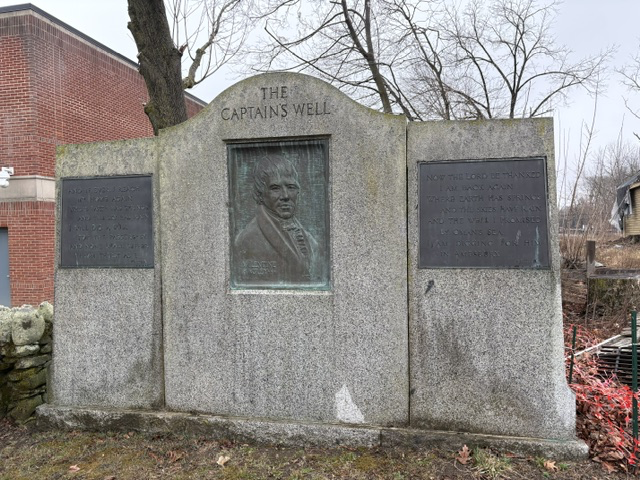
The Captain’s Well
This monument in Amesbury is known as The Captain’s Well, and it quietly preserves pat of the town’s maritime past. The restored stone wall, complete with its long wooden sweep and bucket arm, reflects a time when wells were central gathering places within a community. Before modern plumbing, places like this supplied water not only for homes, but […]
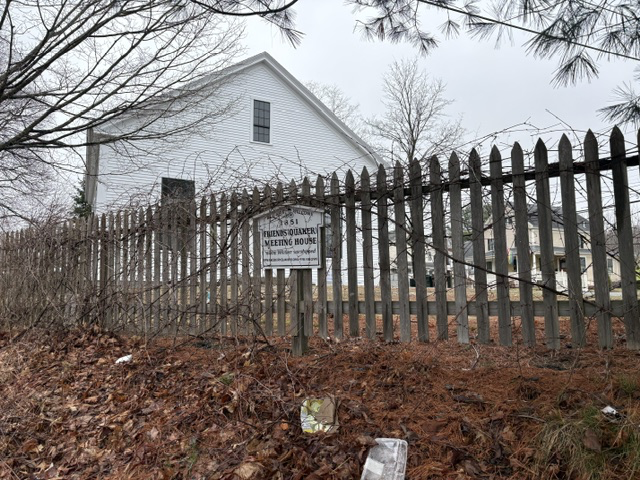
Quaker Meeting House
This is the old Friends Quaker Meeting House in Amesbury, closely connected to the life of ohn Greenleaf Whittier and the Quaker traditions that shaped both his beliefs and his writing. Whittier was raised in a Quaker family, and the values of the Society of Friends remained central to his life. The Quakers emphasized simplicity, equality, peace, personal […]
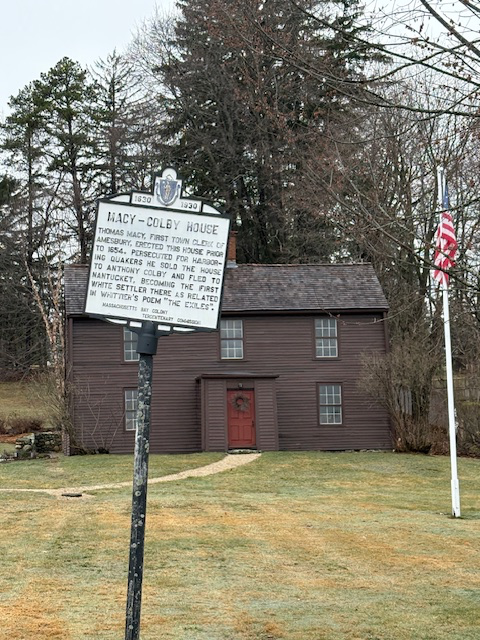
Macy-Colby House
Standing quietly along the road in Amesbury is the Macy – Colby House, one of the town’s oldest surviving homes and a reminder of the deep colonial roots woven into this New England landscape. Built in 1654 by Thomas Macy, one of the original founders of Amesbury, the house connects directly to the earliest settlement period of the […]
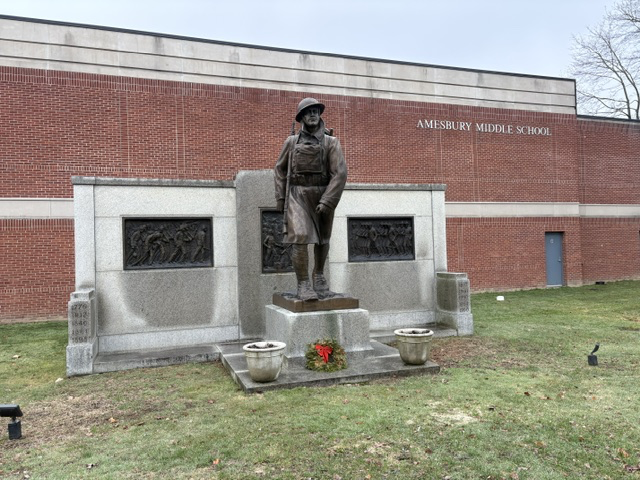
Doughboy Statue
This monument in Amesbury is a classical American “Doughboy” statue, built in honor of the local men who served during World War I. Following the war, communities across the United States erected these monuments as public expressions of remembrance, grief, patriots, and civic pride. The term “Doughboy” was the common nickname given to American infantry soldiers during World War […]
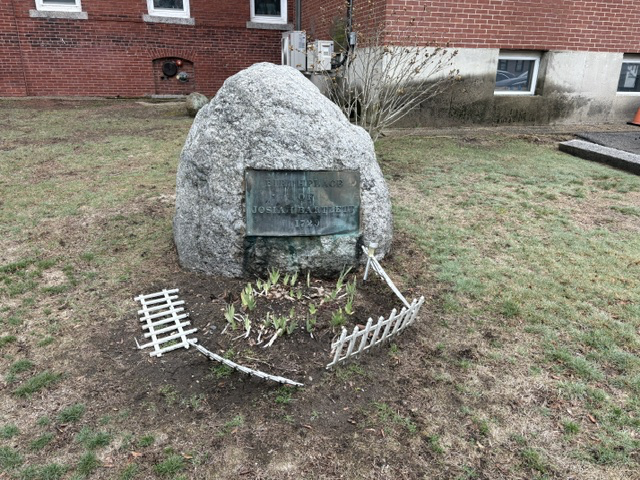
Birthplace of Josiah Bartlett
In the center of Amesbury is the large statue of Josiah Bartlett, and even though he went on to live in other towns and states, this town has the distinction of being the place of his birth. Though his birth house is no longer here, there is this small stone memorial that grounds him to this […]

