History Around Us
I have been drawn to the quiet reminders of the past: the statues, monuments, plaques, weathered stones, and unexpected objects that preserve the memory of people and events. All my life, I have stopped to look at them, read their inscriptions, and wonder why they were placed there and whose story they were meant to tell.
These reminders can be found almost anywhere: beside a courthouse, in a town common, along a roadside, inside a public building, or tucked into a corner that most people pass without noticing. Some commemorate events that changed a nation, while others remember a local resident, a vanished industry, an earlier building, or an ordinary moment in community life.
Each one raises questions. Who decided this person or event should be remembered? Why was this particular place chosen? What did the monument mean to the generation that created it, and does it carry the same meaning today? Sometimes the story is clearly explained. At other times, a few words on a plaque become the beginning of a much larger search.
History is all around us, woven into the places we travel and the communities we call home. Here, I share some of the markers, memorials, objects, and surviving traces that have caught my eye and encouraged me to stop, look more closely, and discover the stories they hold.

Countries
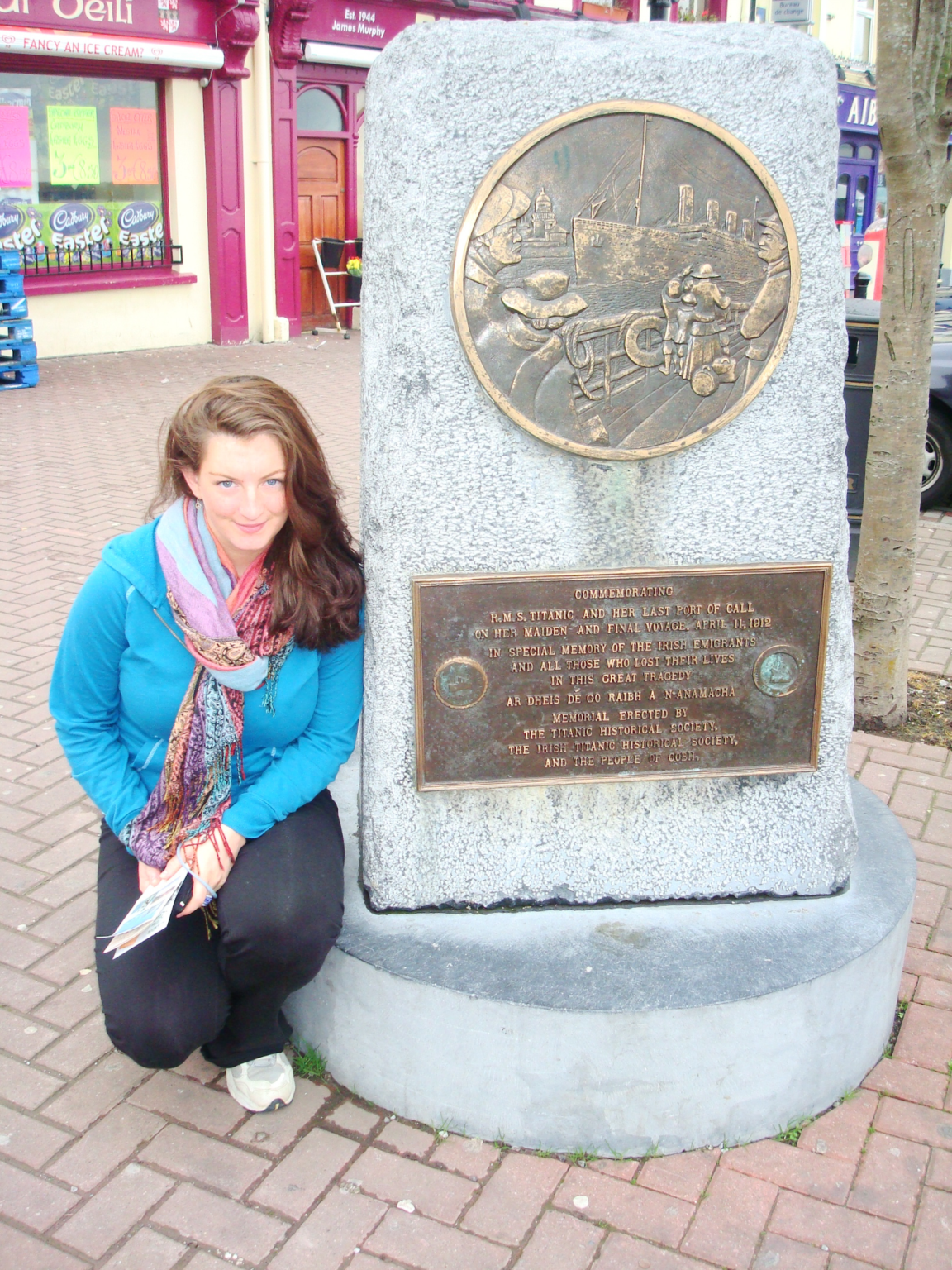
Ireland
Ireland is a country in northwestern Europe occupying most of the island of Ireland. It shares its only land border with Northern Ireland, which is part of the United Kingdom. Dublin is both the capital and largest city, and Irish and English are the official languages. Known as the Emerald Isle, Ireland has a landscape of green plains, lakes, peatlands, rugged mountains, and a deeply indented Atlantic coastline. Ireland was governed by England and later Great Britain for several centuries. The Great Famine of the 1840s caused widespread death and emigration, profoundly affecting the country’s population and its communities overseas. The struggle for independence intensified with the Easter Rising of 1916 and the Irish War of Independence. The Irish Free State was established in 1922, while Northern Ireland remained within the United Kingdom. Ireland formally became a republic in 1949 and joined the European Economic Community, now the European Union, in 1973.
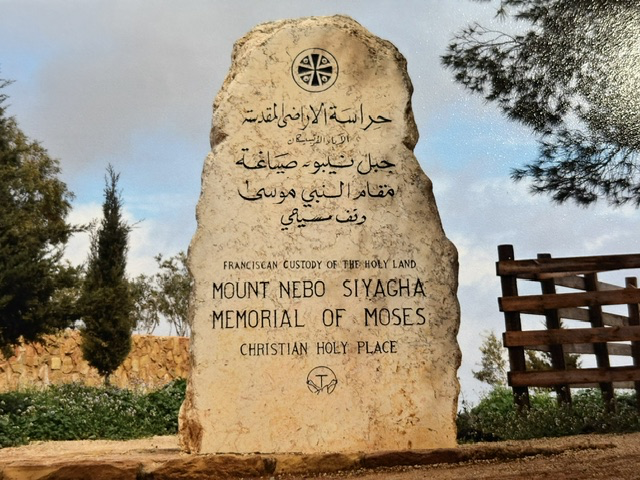
Jordan
Jordan is a country in the Middle East bordered by Syria, Iraq, Saudi Arabia, Israel, and the West Bank. Amman is both its capital and largest city, Arabic is the official language, and the country is governed as a constitutional monarchy. Much of Jordan consists of desert and rocky plateau, while its western region includes the Jordan River Valley and the Dead Sea, the lowest exposed point on Earth. Jordan has long stood at the crossroads of Africa, Asia, and Europe. Among the civilizations that controlled parts of the region were the Nabataeans, who established Petra as an important center of trade, followed by the Roman, Byzantine, Islamic, and Ottoman empires. After the First World War, the territory became the Emirate of Transjordan under British supervision. It gained independence in 1946 and became the Hashemite Kingdom of Jordan, ruled by the Hashemite royal family.
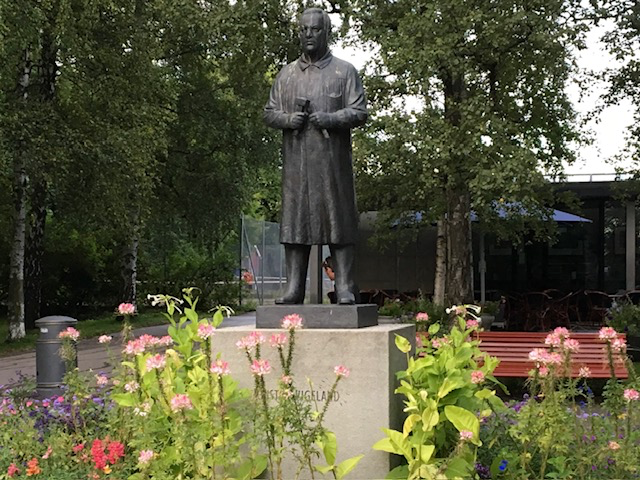
Norway
Norway is a country in northern Europe occupying the western portion of the Scandinavian Peninsula. It is bordered by Sweden, Finland and Russia, as well as the North Atlantic and Arctic oceans. Oslo is both its capital and largest city, Norwegian is its principal official language, and the country is governed as a constitutional monarchy. Its dramatic landscape includes mountains, glaciers, deep coastal fjords, thousands of islands and an exceptionally long coastline extending north of the Arctic Circle. Norway developed from smaller kingdoms that were gradually unified during the Viking Age. It later entered political unions with Denmark and Sweden before becoming fully independent in 1905. Norway remained neutral during the First World War but was occupied by Germany from 1940 until 1945. During the twentieth century, shipping, fishing, hydroelectric power and the discovery of North Sea oil and natural gas helped create a prosperous modern economy. Although closely connected with its European neighbors, Norway is not a member of the European Union.
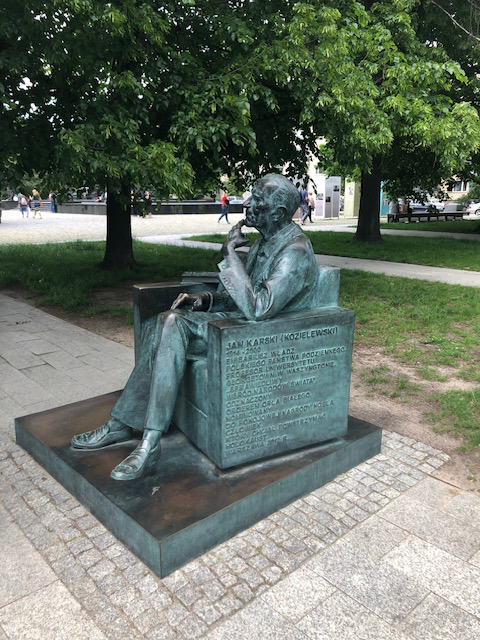
Poland
Poland is a country in Central Europe bordered by seven nations and the Baltic Sea. Warsaw is both its capital and largest city, Polish is the official language, and the country is governed as a republic. Its landscape consists largely of broad plains crossed by rivers, with forests and lakes in the north and the Carpathian and Sudeten mountain ranges along its southern border. Poland emerged as a unified kingdom during the Middle Ages and later joined Lithuania to form one of Europe’s largest states. During the late eighteenth century, Poland was divided among Russia, Prussia, and Austria and disappeared from the map as an independent country until 1918. The invasion of Poland by Nazi Germany in 1939 began the Second World War in Europe, during which millions of Polish citizens were killed. After the war, Poland came under communist rule aligned with the Soviet Union. The Solidarity movement helped bring an end to communist government in 1989, and Poland joined the European Union in 2004.
Portugal
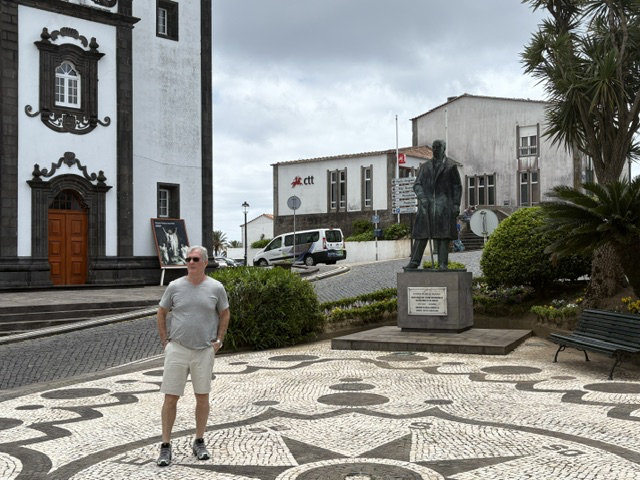
Portugal is a country in southwestern Europe occupying the western portion of the Iberian Peninsula. It is bordered by Spain and the Atlantic Ocean and also includes the island groups of the Azores and Madeira. Lisbon is both its capital and largest city, Portuguese is the official language, and the country is governed as a republic. Its varied landscape includes mountains and river valleys in the north, rolling plains in the south, and an extensive Atlantic coastline. Portugal became an independent kingdom during the twelfth century and has maintained largely the same borders since the thirteenth century. During the fifteenth and sixteenth centuries, Portuguese navigators helped lead the European Age of Exploration, establishing trade routes and an overseas empire that extended to Africa, Asia, and South America. The monarchy ended in 1910, but Portugal later endured several decades of authoritarian government. The peaceful Carnation Revolution restored democracy in 1974, and Portugal joined the European Economic Community, now the European Union, in 1986.
South Africa
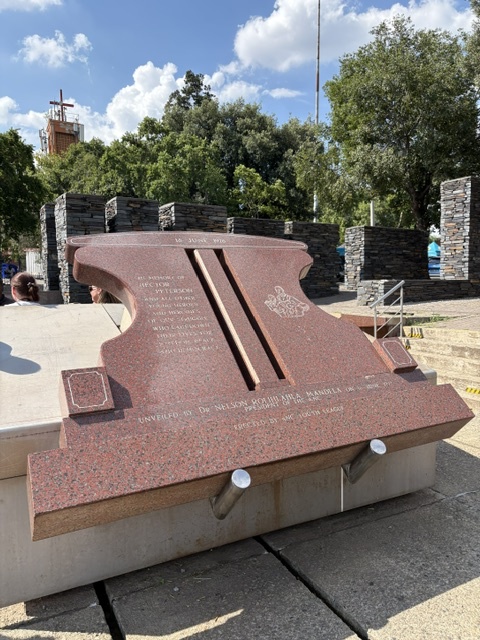
South Africa occupies the southernmost portion of the African continent. It is bordered by Namibia, Botswana, Zimbabwe, Mozambique, and Eswatini and surrounds the independent kingdom of Lesotho. The country has three capitals: Pretoria serves as the administrative capital, Cape Town as the legislative capital, and Bloemfontein as the judicial capital. Johannesburg is its largest city, and South Africa recognizes twelve official languages. Its varied landscape includes a long coastline along the Atlantic and Indian oceans, interior plateaus, grasslands, savannas, deserts, and the mountains of the Great Escarpment. The Dutch established a settlement at the Cape of Good Hope in 1652, and Britain gained control of the Cape during the early nineteenth century. Conflicts over land, political authority, and natural resources shaped the region, particularly after the discovery of diamonds and gold. The Union of South Africa was created in 1910, and the country became a republic in 1961. Beginning in 1948, the government enforced apartheid, a system of racial segregation and white minority rule. Decades of resistance and international pressure eventually led to its dismantling. South Africa held its first fully democratic national election in 1994, when Nelson Mandela became the country’s first Black president.
Spain
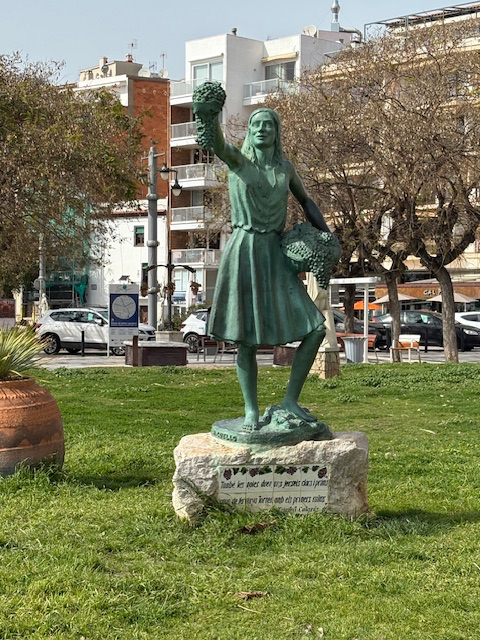
Spain is a country in southwestern Europe occupying most of the Iberian Peninsula. It is bordered by Portugal, France, Andorra, the Atlantic Ocean, and the Mediterranean Sea, and it also includes the Balearic and Canary Islands. Madrid is both its capital and largest city, Spanish is the official language throughout the country, and Spain is governed as a constitutional monarchy. Its landscape includes a broad central plateau, fertile river valleys, mountain ranges, and extensive coastlines. Spain developed from a series of kingdoms shaped by Roman, Visigothic, Islamic, and Christian rule. The marriage of Ferdinand of Aragon and Isabella of Castile helped unite the principal Spanish kingdoms, and the conquest of Granada in 1492 ended centuries of Muslim rule on the peninsula. Spain then established a vast overseas empire and became a major European power. Following the Spanish Civil War of 1936–1939, the country remained under the dictatorship of Francisco Franco until 1975. Spain then transitioned to a constitutional democracy and joined the European Economic Community, now the European Union, in 1986.

