Young Johnny Appleseed
While traveling west on Route 2 through central Massachusetts, I made a stop at the Johnny Appleseed Visitors’ Center in Lancaster. Greeting visitors outside the entrance is this bronze sculpture of a young John Chapman, better known as Johnny Appleseed, one of America’s most enduring folk heroes.
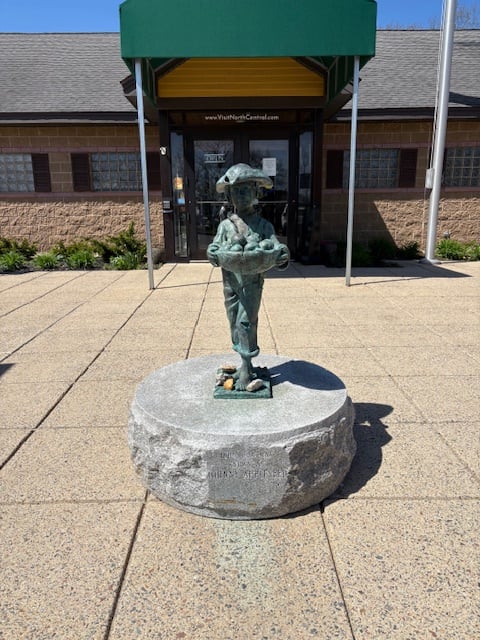
Although the visitor center is in Lancaster, it celebrates the life of John Chapman, who was born just a few miles away in Leominster in 1774. Chapman became famous for establishing apple nurseries across the American frontier, helping settlers plant orchards that provided both food and a means of establishing new communities. Over time, his generosity and simple way of life transformed him from a successful nurseryman into one of America’s best-loved legends.
I enjoyed learning that the sculpture portrays Chapman as a young boy, reminding visitors that every legendary figure begins with an ordinary childhood. It is a fitting welcome to a region that proudly preserves the story of one of its most famous native sons. History can be found all around us, if we simply take the time to stop.
Read More From Nancy

Massachusetts Veterans War Memorial Tower
Last year we camped near Mount Greylock, and although we have spent so much of our lives exploring New England, this was the first time we made our way to the summit. It was another reminder to me that exploration never really ends. No matter how many places we have visited, there is always another […]
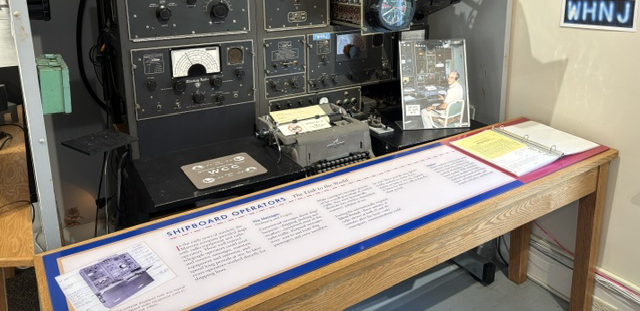
SS HOPE Shipboard Radio
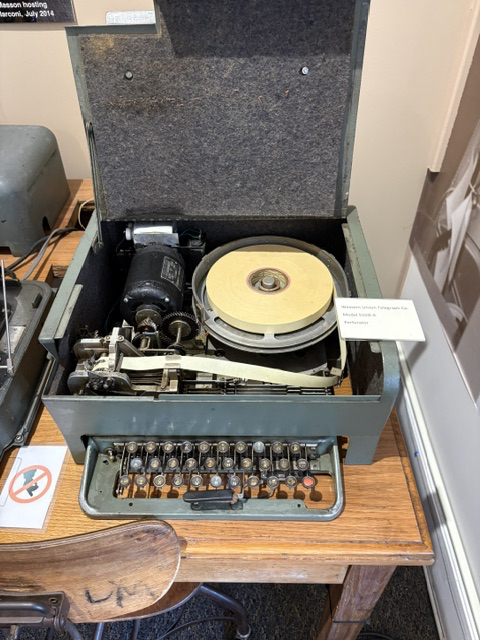
The shipboard radio station from the SS HOPE, preserved at the Marconi-RCA Wireless Museum, represents the vital communications link between a ship at sea and the world on shore. The vessel began its service as the USS Consolation, a United States Navy hospital ship commissioned in 1945. It treated wounded service members during the Korean War and […]
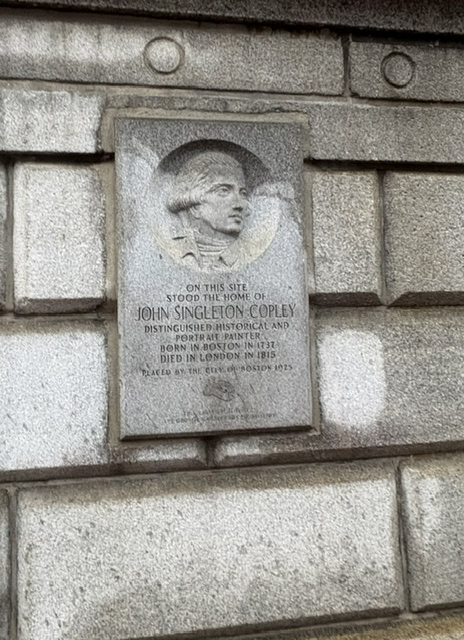
John Singleton Copley
Walking through Boston, I came across this plaque marking the site where the home of John Singleton Copley once stood. The house itself is gone, but the plaque preserves the connection between this location and one of the most important artists of colonial America. Copley was born in Boston in 1738, although the plaque gives […]

