William Diamond’s Drum
Among the treasures preserved in Lexington is this beautifully decorated drum that once belonged to William Diamond, the young drummer of Captain John Parker’s Lexington militia. According to tradition, Diamond beat this very drum to summon the townspeople on the night of April 18, 1775, after Paul Revere and other riders brought word that British troops were marching toward Concord.
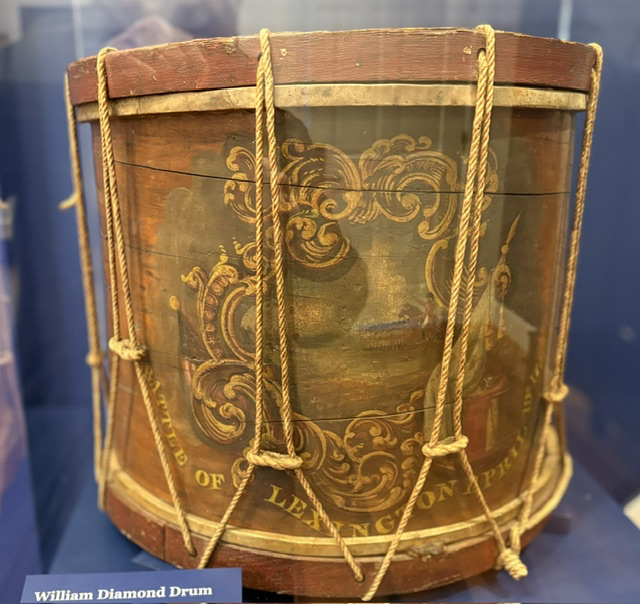
Only sixteen years old at the time, William Diamond stood with the Lexington militia on the Common at dawn on April 19th, as the opening shots of the American Revolution were fired. While eight Lexington men lost their lives that morning, Diamond survived and lived until 1868, becoming one of the last living witnesses to the events that marked the beginning of the nation’s struggle for independence.
The drum itself became an enduring symbol of Lexington’s role in American history. In 1875, on the centennial anniversary of the battle, the drum was again sounded during the commemorative celebrations, linking those who had lived through the Revolution with a new generation seeking to remember the sacrifices of their forebears.
More than 250 years later, the drum remains a tangible connection to that fateful morning when a small Massachusetts town became the birthplace of a nation.
Read More From Nancy
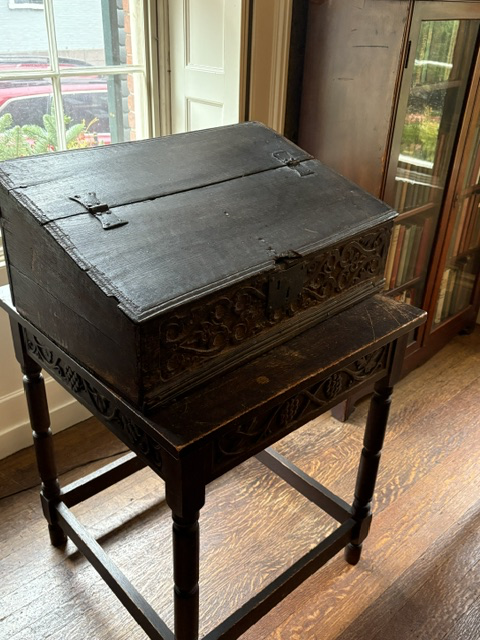
Bible Box
While touring the Nichols House Museum in Boston, one piece in Dr. Arthur Nichols’ office immediately caught my attention. Resting on its stand was a beautifully carved oak Bible box, a reminder that even a physician’s office could contain objects that reflected an appreciation for history and craftsmanship. Although often called a “Bible box,” this […]
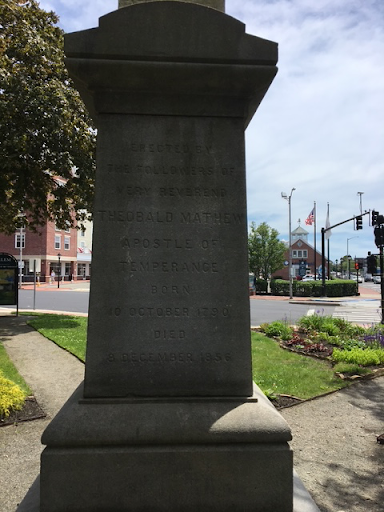
Theobald Mathew Monument
History often reveals itself in unexpected ways. Walking through Salem, I noticed only the base of this monument. The inscription immediately caught my attention: “Erected by the followers of the Very Reverend Theobald Mathew, Apostle of Temperance.“ Until that moment, I knew very little about Father Theobald Mathew or why the people of Salem believed […]
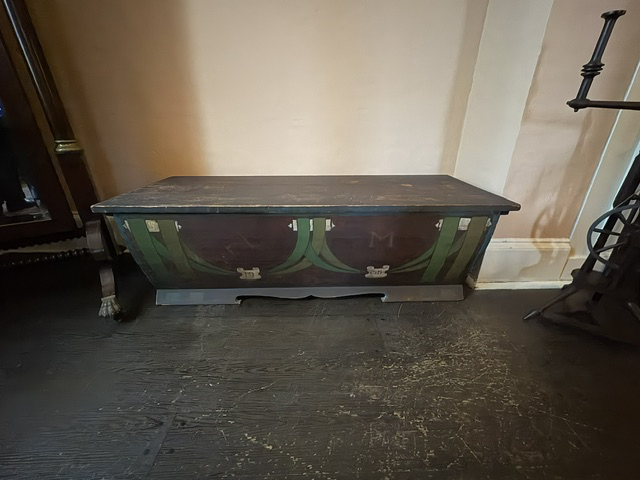
The Dowry Chest
This painted wooden chest at the Nichols House Museum in Boston is more than an attractive piece of antique furniture. Dating from the late 17th century, it is an English oak dowry, or dower, chest that would originally have been used to hold a woman’s personal possessions as she prepared for marriage and the establishment […]

