The Dry Goods Store
Walking along the streets of Lower Town Harpers Ferry, the restored Dry Goods Store offers a glimpse into something much more ordinary than the major events usually associated with the town. It gives us the experience of everyday shopping in a nineteenth-century community.
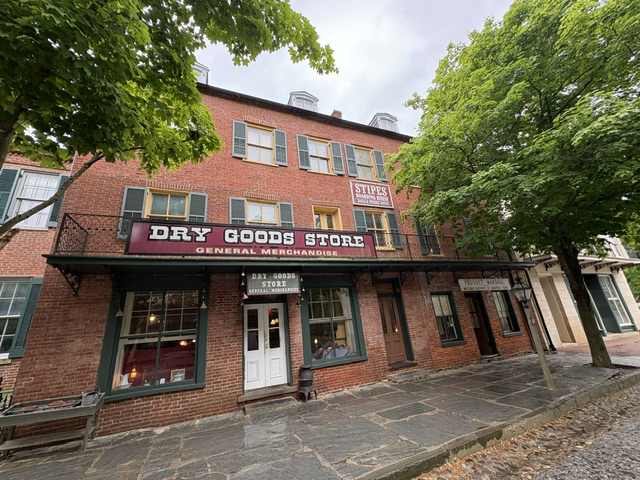
A dry goods store was an important part of town life. The term “dry goods” generally refers to merchandise such as fabrics, clothing, shoes, hats, buttons, thread, ribbons, blankets and other household necessities. Unlike a grocery or market selling food, these stores supplied many of the materials families needed for clothing themselves and furnishing their homes.
The exterior photograph helps recreate what the commercial streets of Harpers Ferry once looked like. Large signs advertised the merchandise available inside, while neighboring storefronts created a compact business district serving local residents, armory employees, travelers and others passing through this busy transportation center.
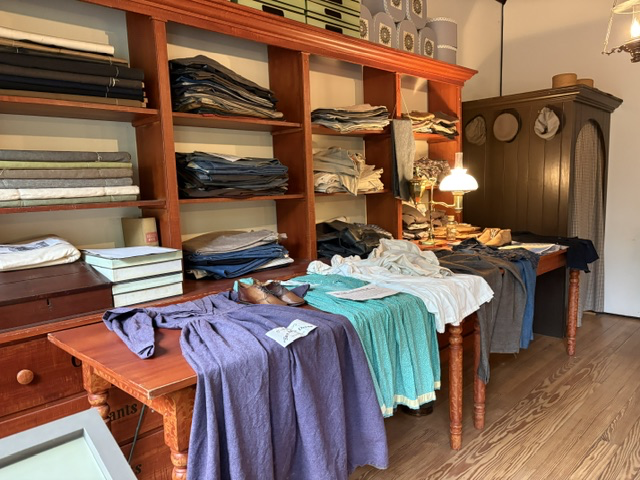
Stepping inside makes the story much easier to understand. Shelves are filled with folded fabrics and bolts of cloth, while shirts, dresses, shoes and other goods are displayed across the counters. Before modern department stores and online shopping, purchasing even basic clothing and household items was a much more personal experience. Customers stood across the counter from a merchant, examined fabrics and merchandise, and selected what they needed.
Places like this help me picture Harpers Ferry as a community rather than simply a collection of historic sites. People worked here, raised families here and walked these same streets to buy fabric for a dress, a new pair of shoes, a hat or something needed for their homes. The restored Dry Goods Store preserves a small but very recognizable part of that everyday life.
Read More From Nancy
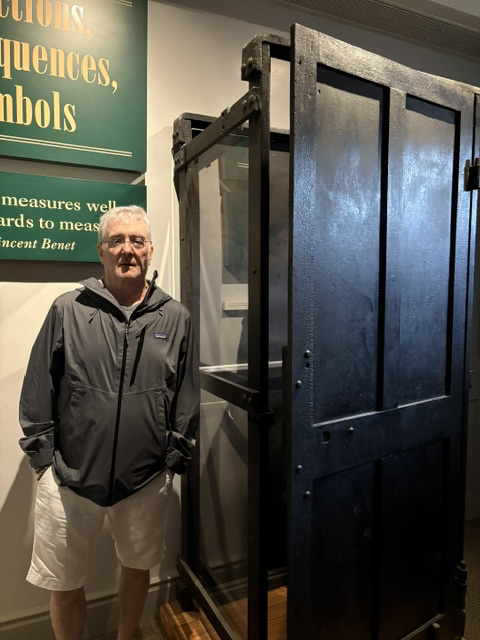
John Brown’s Jail Door
After John Brown was captured at Harpers Ferry on October 18, 1859, he was turned over to Virginia authorities and taken about seven miles away to Charles Town, the county seat of Jefferson County. It was there, rather than in Harpers Ferry, that Brown would be imprisoned, tried and sentenced to death. These photographs show […]
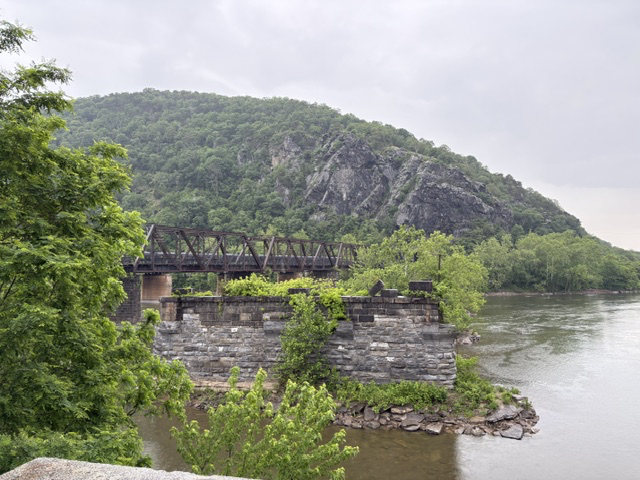
The Remains of the Railroad Bridge
These stone piers standing in the Potomac are remnants of the long transportation history that made Harpers Ferry such an important crossroads. The narrow opening through the Blue Ridge created by the Potomac provided a natural route through the mountains, and in the nineteenth century the Baltimore & Ohio Railroad used that route as it […]
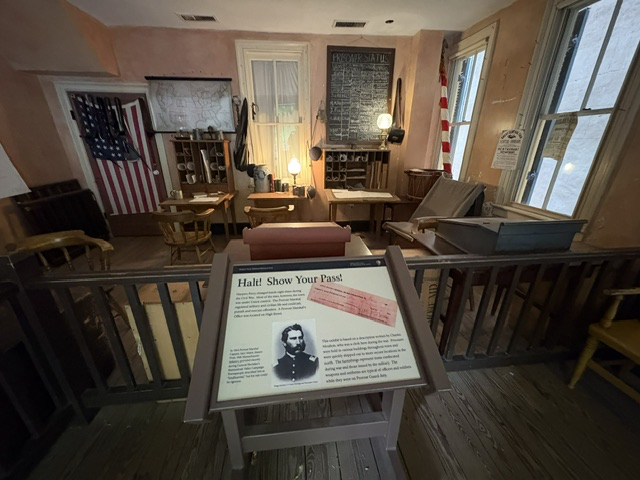
Provost Guard Duty Office
This room recreates a very different aspect of life in Harpers Ferry during the Civil War. The exhibit is based on a description written by Charles Moulton, who served as a clerk here during the war, giving us an unusual firsthand glimpse into the military administration of the town. During the war, Harpers Ferry was […]

