Spectator Seating
Along the sides and rear of the courtroom in Plymouth’s 1749 Court House are rows of simple wooden benches where members of the public could sit and watch the proceedings. Marty standing among them gives a good sense of just how intimate this courtroom would have been. There was very little distance between the spectators and the people whose cases were unfolding before them.
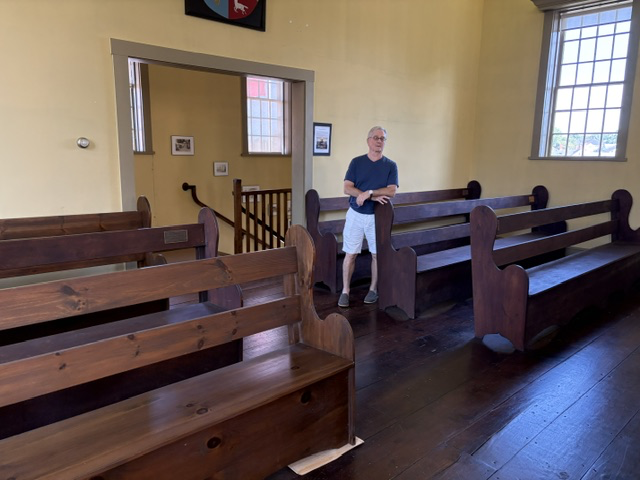
Court proceedings were public, and attending court could be an important way for townspeople to learn what was happening within their community. Neighbors could watch trials, hear testimony, follow disputes, and listen as judgments were handed down. In a time before newspapers were widely available and long before electronic communication, the courthouse was one of the places where community news was made and shared.
There was also an element of accountability in allowing the public to observe. Justice was not intended to take place entirely behind closed doors. The actions of the justices, attorneys, witnesses, and accused could be witnessed by members of the community.
Sitting on these hard wooden benches for hours could not have been particularly comfortable, but I can imagine that some proceedings drew considerable interest. A dispute between well-known neighbors, a serious criminal charge, or an unusual case would certainly have given people something to discuss long after they left the courthouse.
Read More
Read More From Nancy
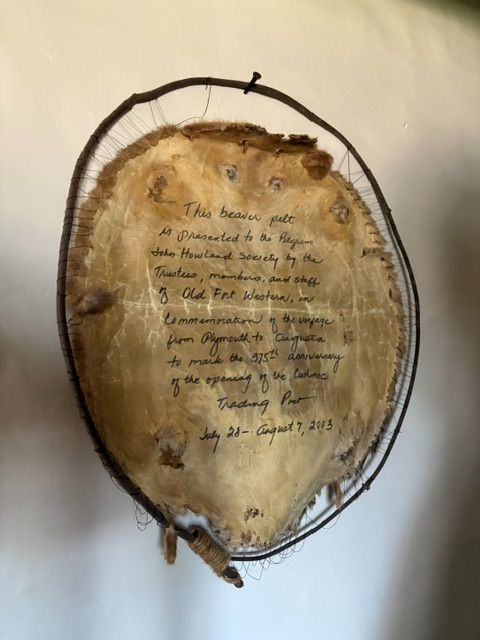
A Beaver Pelt
A beaver pelt stretched within a wooden frame commemorates a connection between Plymouth, Massachusetts, and Augusta, Maine. Its handwritten inscription records a voyage from Plymouth to Augusta in 2003, marking the 375th anniversary of the opening of the Cushnoc trading post. Presented to the Pilgrim John Howland Society by the trustees, members, and staff of […]
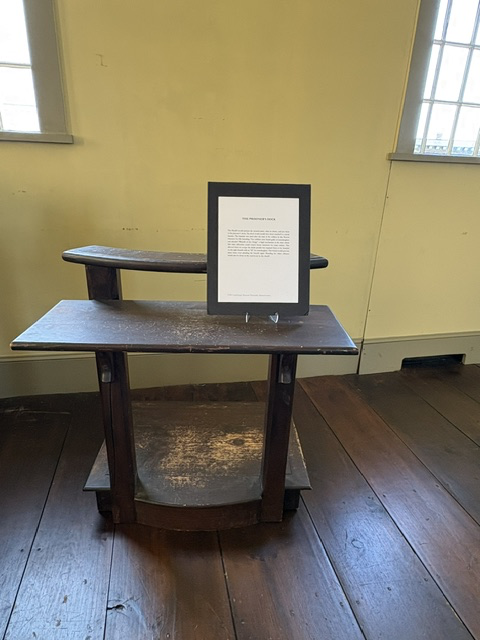
Prisoner Dock
One of the more sobering features inside Plymouth’s 1749 Court House is the prisoner’s dock. This small enclosed platform represents the place where an accused person would stand during court proceedings, physically separated from the judges, attorneys, witnesses, and spectators around them. According to the courthouse exhibit, the sheriff would bring the accused into the […]
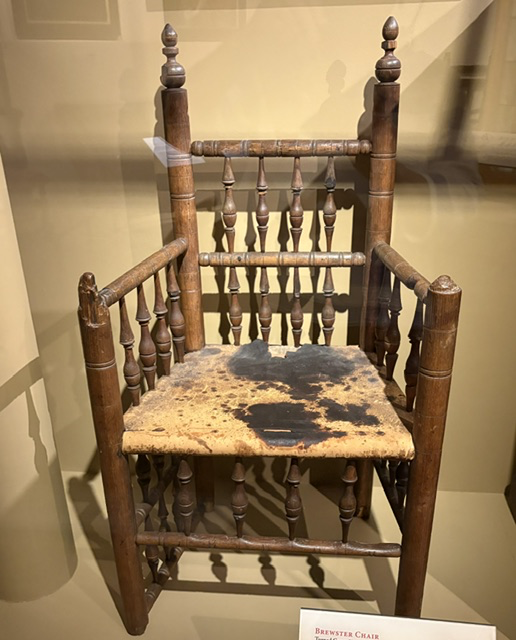
Brewster Chair
Among the objects in the Pilgrim Hall Museum, this simple wooden chair caught my attention. Known as the Brewster Chair and dating from approximately 1630–1670, it is believed to have belonged to William Brewster, one of the Mayflower passengers and the spiritual leader of Plymouth Colony. Brewster was already about 54 years old when he […]

