Harpers Ferry, WV
Nestled where the Potomac and Shenandoah Rivers meet, with the Blue Ridge Mountains rising around them, Harpers Ferry is a small West Virginia town that has played an outsized role in American history. Its location made it an important transportation and industrial center, particularly after the federal government established the United States Armory and Arsenal here at the end of the eighteenth century. Canals and railroads soon connected Harpers Ferry to the rapidly expanding nation beyond the mountains.
The town is perhaps best known for the events of October 1859, when abolitionist John Brown and his followers seized the federal armory in an attempt to begin an uprising against slavery. Brown's raid failed, and he was captured, tried and executed, but the confrontation intensified the national debate over slavery less than two years before the beginning of the Civil War. Harpers Ferry's strategic location then placed it directly in the path of the conflict, and the town changed hands repeatedly between Union and Confederate forces.
But the story of Harpers Ferry continued after the war. Storer College was established there in 1867 to educate formerly enslaved people and became an important center of African American education. In 1906, the Niagara Movement, led by W.E.B. Du Bois and others, held a significant meeting at Storer College, helping lay the groundwork for the later civil rights movement.
Today, much of this history is preserved within Harpers Ferry National Historical Park. The steep streets, historic buildings, railroad tracks, surrounding mountains and meeting of the two rivers create a landscape where geography and history are almost inseparable. Harpers Ferry is one of those places where you can walk through several chapters of the American story within just a few blocks—from the nation's early industrial development and John Brown's raid to the Civil War, emancipation, education and the beginnings of the modern civil rights movement.
Recent Posts
The Harper House
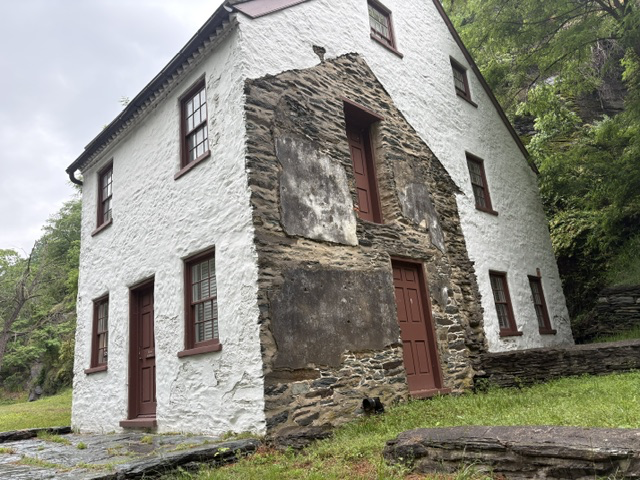
High above Lower Town stands the Harper House, the oldest surviving building in Harpers Ferry. Its story takes us back before the federal armory, the railroads and most of the historic events that would eventually make this little town nationally significant. Robert Harper began constructing this stone house in 1775. Harper had arrived in this […]
The Dry Goods Store
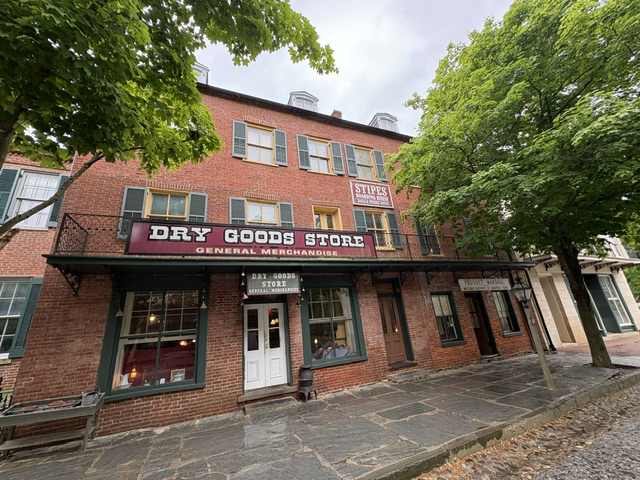
Walking along the streets of Lower Town Harpers Ferry, the restored Dry Goods Store offers a glimpse into something much more ordinary than the major events usually associated with the town. It gives us the experience of everyday shopping in a nineteenth-century community. A dry goods store was an important part of town life. The […]
The Harpers Ferry Armory in the Civil War
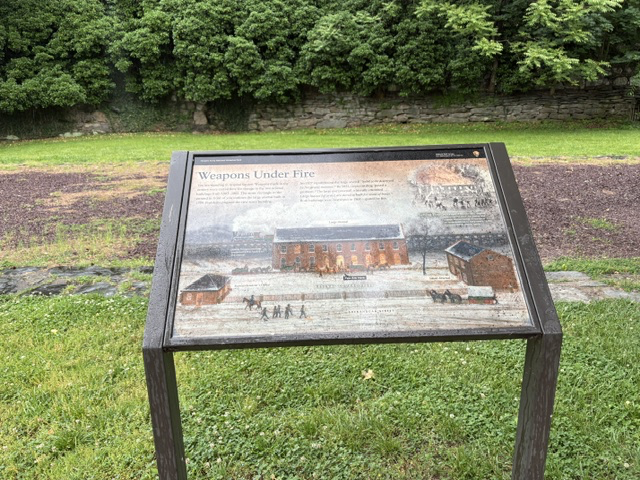
This sign stands near the remains of the United States Armory at Harpers Ferry and tells the story of what happened here when the Civil War began. The location of the armory had helped make Harpers Ferry an important industrial town, but the thousands of weapons stored here also made it a valuable military target. […]
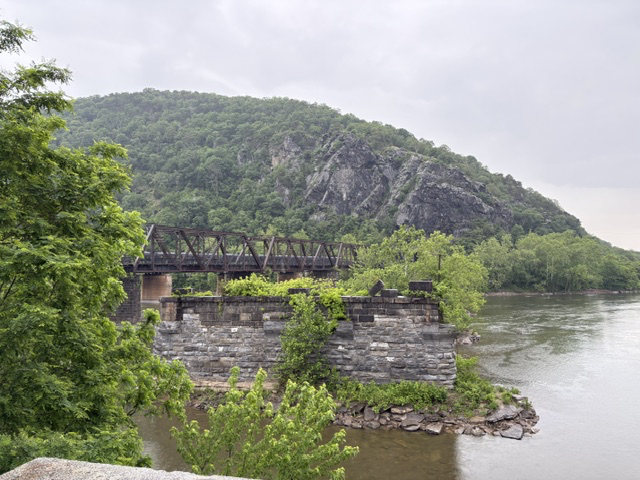
The Remains of the Railroad Bridge
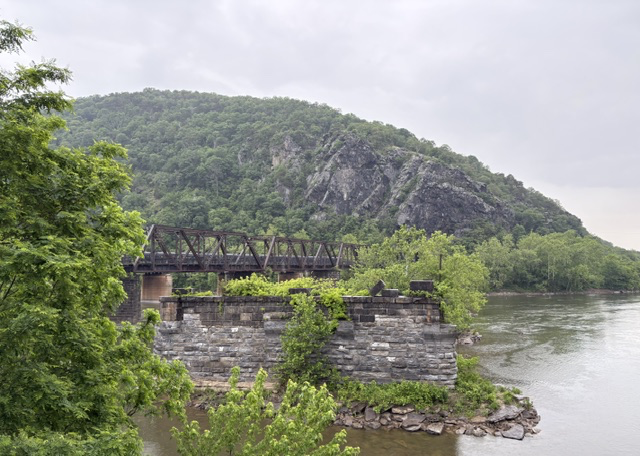
These stone piers standing in the Potomac are remnants of the long transportation history that made Harpers Ferry such an important crossroads. The narrow opening through the Blue Ridge created by the Potomac provided a natural route through the mountains, and in the nineteenth century the Baltimore & Ohio Railroad used that route as it […]
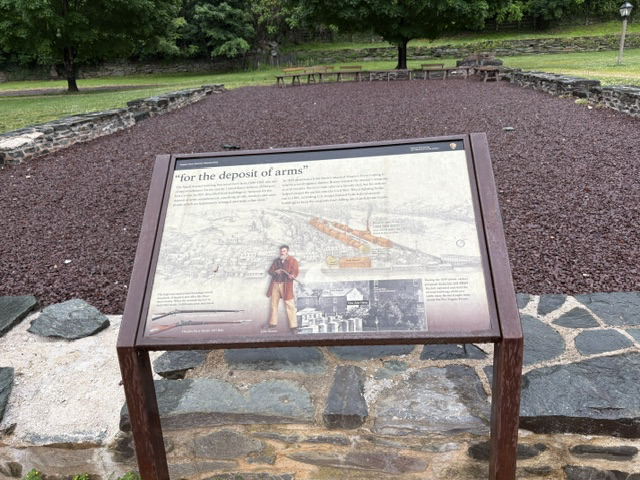
The United States Arsenal
This open foundation in Harpers Ferry marks the site of one of the buildings that once formed the United States Arsenal. Today there is little left above ground, but during the nineteenth century this was part of a large federal complex devoted to the manufacture and storage of weapons. The story began with George Washington. […]
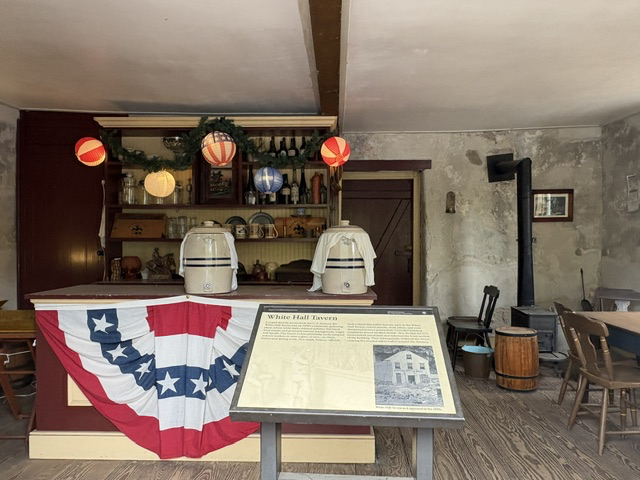
White Hall Tavern
The White Hall Tavern gives us another look at everyday life in nineteenth-century Harpers Ferry. While the armory, railroad and political events brought national importance to the town, places like this were where residents gathered, exchanged news, ate and drank, and discussed what was happening around them. White Hall Tavern was operated by Frederick Roeder, […]
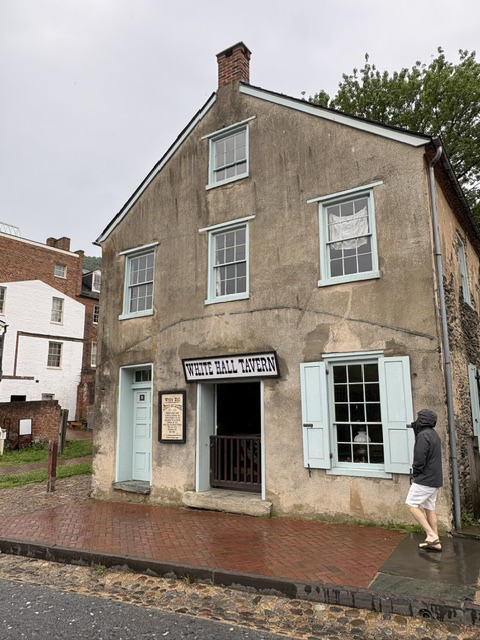
White Hall Tavern
Walking through the historic streets of Harpers Ferry, buildings like White Hall Tavern help tell another side of the town’s story. John Brown’s raid and the Civil War dominate the history here, but Harpers Ferry was also a working industrial community filled with ordinary people who needed places to eat, drink, gather and exchange news. […]

