West Virginia
West Virginia became the thirty-fifth state in 1863, separating from Virginia during the Civil War. Its history has been shaped by Indigenous peoples, frontier settlement, the conflict over slavery and secession, and the development of railroads, coal mining, manufacturing, and communities throughout the Appalachian Mountains.
West Virginia is also an important part of my family history. My father was born in Martinsburg, and his family’s roots connect me personally to the state. My Hometown Stories explore its historic towns, battlefields, industries, landscapes, and the places that help me better understand the world from which my father came.
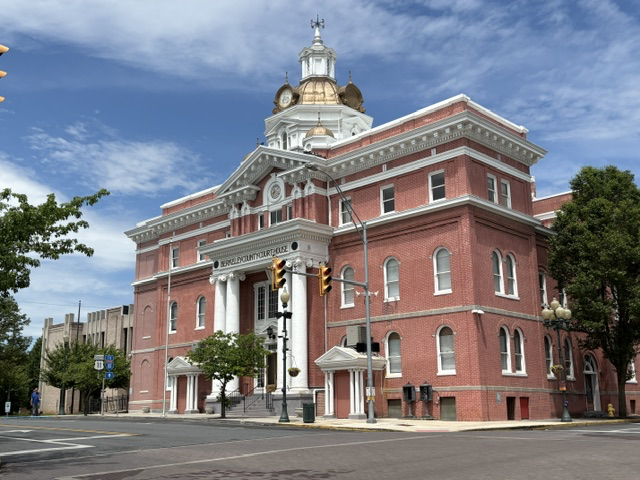
Hometowns
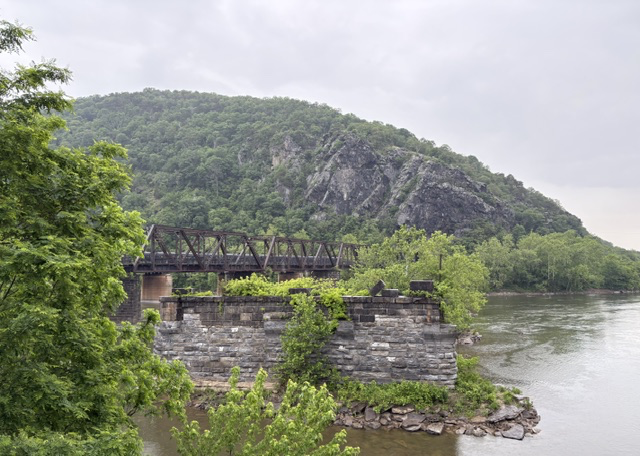
Harpers Ferry, WV
Nestled where the Potomac and Shenandoah Rivers meet, with the Blue Ridge Mountains rising around them, Harpers Ferry is a small West Virginia town that has played an outsized role in American history. Its location made it an important transportation and industrial center, particularly after the federal government established the United States Armory and Arsenal here at the end of the eighteenth century. Canals and railroads soon connected Harpers Ferry to the rapidly expanding nation beyond the mountains. The town is perhaps best known for the events of October 1859, when abolitionist John Brown and his followers seized the federal armory in an attempt to begin an uprising against slavery. Brown's raid failed, and he was captured, tried and executed, but the confrontation intensified the national debate over slavery less than two years before the beginning of the Civil War. Harpers Ferry's strategic location then placed it directly in the path of the conflict, and the town changed hands repeatedly between Union and Confederate forces. But the story of Harpers Ferry continued after the war. Storer College was established there in 1867 to educate formerly enslaved people and became an important center of African American education. In 1906, the Niagara Movement, led by W.E.B. Du Bois and others, held a significant meeting at Storer College, helping lay the groundwork for the later civil rights movement. Today, much of this history is preserved within Harpers Ferry National Historical Park. The steep streets, historic buildings, railroad tracks, surrounding mountains and meeting of the two rivers create a landscape where geography and history are almost inseparable. Harpers Ferry is one of those places where you can walk through several chapters of the American story within just a few blocks—from the nation's early industrial development and John Brown's raid to the Civil War, emancipation, education and the beginnings of the modern civil rights movement.
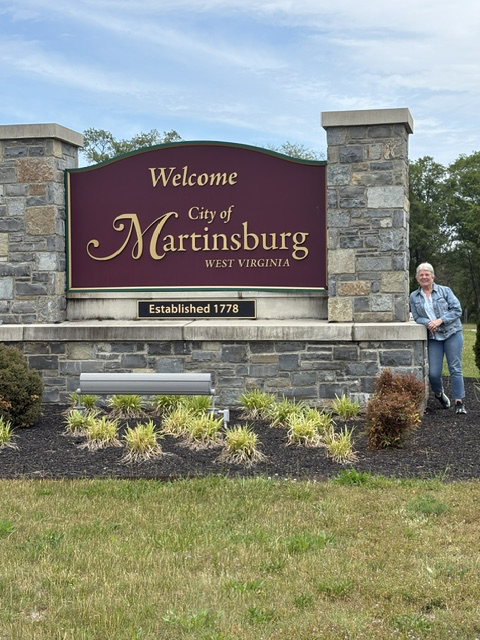
Martinsburg, WV
My father was born in Martinsburg, and although I had driven through the town a couple of times while visiting nearby national parks, this year I decided to stay for a bit and experience the place that had shaped his early life. Walking the streets of his neighborhood, visiting the downtown area, and seeing the church and school that were part of his childhood gave me a deeper appreciation for his roots. After marrying my mother, he moved to Concord, New Hampshire, and I was struck by how much these two communities had in common. Founded in 1778 by General Adam Stephen, Martinsburg grew into one of the most important communities in the lower Shenandoah Valley. The arrival of the Baltimore and Ohio Railroad made the city a major transportation center, and generations of families built their lives around the railroad and the businesses that supported it. The town also played a role during the Civil War and later became known as the birthplace of the Great Railroad Strike of 1877, the first major national labor strike in American history. As I explored the city, I realized how much Martinsburg resembled my mother's hometown of Concord, New Hampshire. Both are small towns with active downtowns that serve the heart of the community. In both places, my parents' life revolved around a close-knit neighborhood where home, church and school were all within walking distance. Life was lived on surrounded by familiar people and places. My visit was a chance to walk my father's neighborhood and better understand the world in which he grew up. Perhaps this was my greatest discover, that despite the distance between West Virginia and New Hampshire, my parents shared similar beginnings. Their roots were planted in two different places, but both towns taught the same lessons about family, faith and the value of belonging to a community
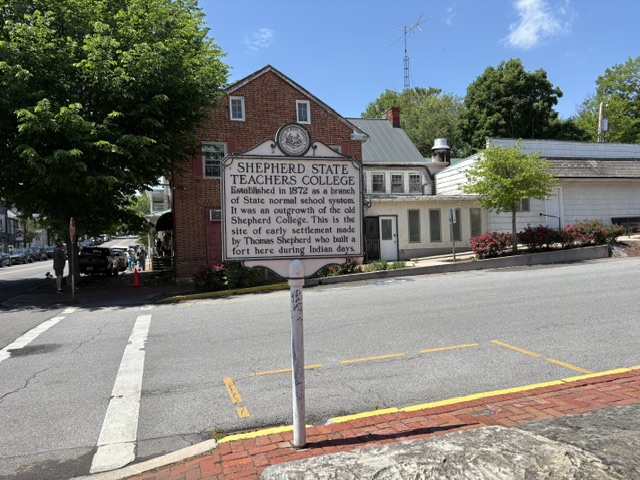
Sheperdstown, WV
Situated along the Potomac River in West Virginia’s Eastern Panhandle, Shepherdstown was chartered in 1762 as Mecklenburg and shares with Romney the distinction of being the oldest incorporated town in present-day West Virginia. Later renamed for Thomas Shepherd, the community developed around river trade, local farms, mills and workshops. In 1787, James Rumsey demonstrated a steam-powered boat on the Potomac, giving the town a place in the early history of American transportation. During the Civil War, Shepherdstown became a place of refuge and treatment for wounded soldiers after the Battle of Antietam. Its postwar future took a new direction when Shepherd College opened in 1871 in the former courthouse, now McMurran Hall. The institution eventually became Shepherd University, helping shape the town’s enduring identity as a center of education and cultural life. Today, its historic homes, brick storefronts and compact streets preserve the character of an early river community. On my visit to Martinsburg, I drove to Shepherdstown because I knew my father had attended the college here.

