Chatham, MA
Long before European settlement, the area now known as Chatham was home to the Monomoyick people, who sustained their communities through farming, hunting and fishing. English settlers arrived during the 1660s, and the community, originally known as Monomoit, was incorporated as Chatham in 1712. Located at the elbow of Cape Cod, the town developed around agriculture, fishing, whaling, shipping and other maritime enterprises. Its surrounding shoals and shifting coastline also made these waters particularly dangerous, leading to the establishment of lighthouses and lifesaving stations.
Today, Chatham’s lighthouse, fishing pier, historic homes, museums and preserved coastal landscapes reflect more than three centuries of town history and the much older story of the people who lived here before European settlement. Its working harbor, traditional downtown and access to the beaches and wildlife of Monomoy preserve its strong connection to the sea. Exploring Chatham allowed us to experience another of Cape Cod’s distinctive communities, where maritime history remains an important part of everyday life.
Recent Posts
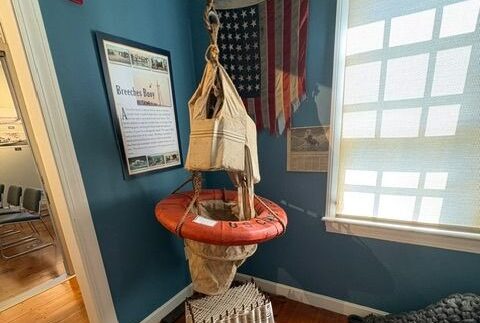
The Breeches Buoy
A life ring with a pair of canvas trousers attached may seem an unlikely means of escaping a shipwreck. Yet the breeches buoy offered a way to bring people safely ashore when a stranded vessel was within reach of land and the surf made launching a rescue boat too dangerous. The exhibit in Chatham preserves […]
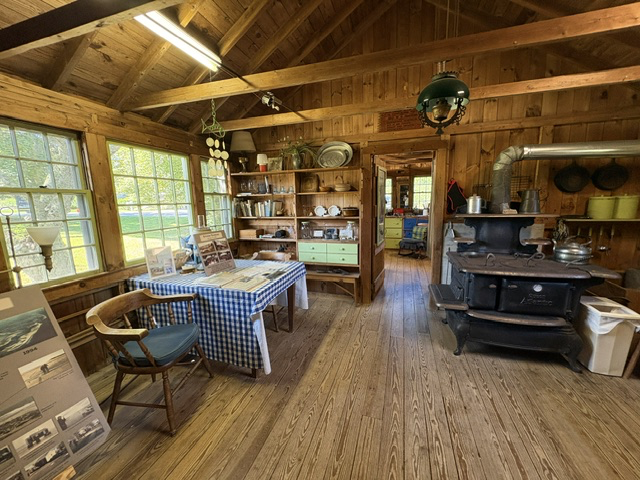
The Nickerson North Beach Camp
For generations, Chatham families looked across the water toward North Beach as a place to escape the routines of everyday life. The long barrier beach once extended southward from Orleans toward Chatham, separating the protected waters of Pleasant Bay and Chatham Harbor from the open Atlantic. Reaching it required a boat, and living there meant […]
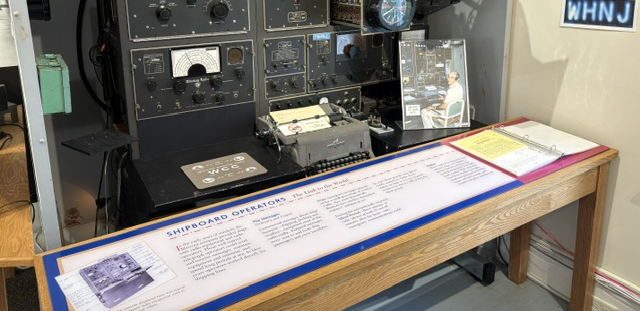
SS HOPE Shipboard Radio
The shipboard radio station from the SS HOPE, preserved at the Marconi-RCA Wireless Museum, represents the vital communications link between a ship at sea and the world on shore. The vessel began its service as the USS Consolation, a United States Navy hospital ship commissioned in 1945. It treated wounded service members during the Korean War and […]
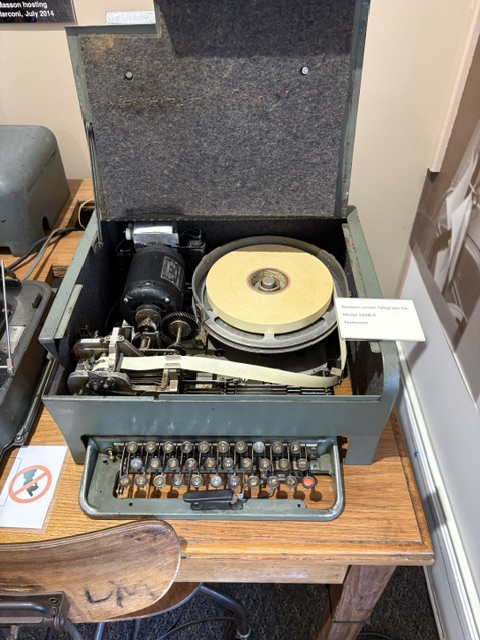
From Telegraph to Teletype
The development of telegraphy transformed long-distance communication. Instead of waiting days or weeks for a written message to travel by ship, train or horseback, information could be transmitted across wires almost instantly. In 1844, Samuel Morse publicly demonstrated an electric telegraph connection between Washington, D.C., and Baltimore. Messages were translated into patterns of dots and […]
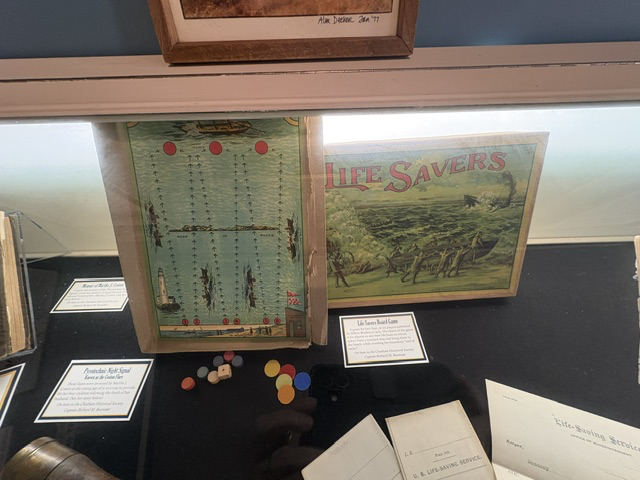
Life Savers and the Rise of American Board Games
The game Life Savers transformed the dangers of a shipwreck into a contest of rescue. Produced by the Milton Bradley Company near the turn of the twentieth century, the game challenged players to send lifeboats to a wrecked vessel, rescue its sailors, and return them safely to shore. Its illustrated cover, playing board, spinner, and colored pieces […]
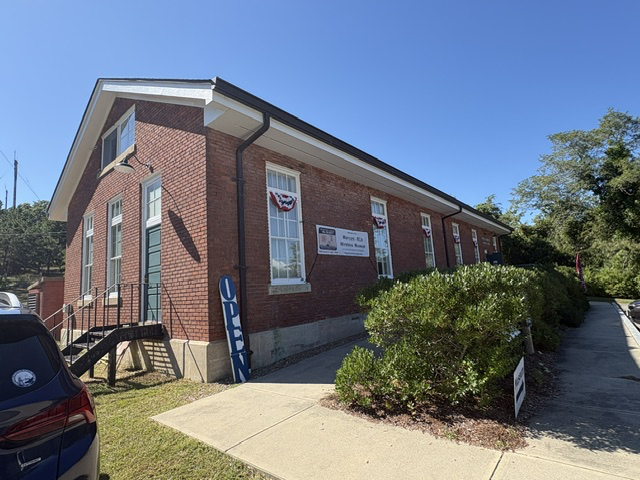
Marconi-RCA Wireless Museum
Long before messages could be sent instantly by telephone, satellite or the internet, Chatham served as an important link between ships at sea and the rest of the world. The Marconi-RCA Wireless Museum preserves the story of the people and technology that made those connections possible. Italian inventor Guglielmo Marconi helped transform communication through his […]
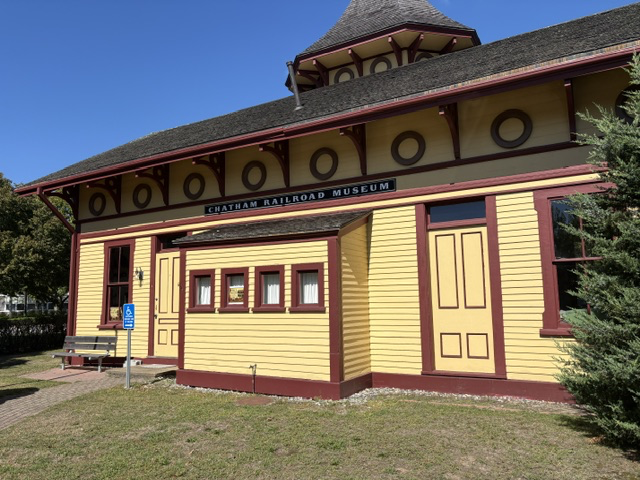
Chatham Railroad Museum
For much of the nineteenth century, Chatham’s location at the southeastern end of Cape Cod made travel and commerce difficult. Residents depended upon coastal vessels, horse-drawn transportation and long overland journeys to reach other communities. Although railroads began serving other parts of Cape Cod earlier in the century, Chatham waited decades for a direct connection. […]
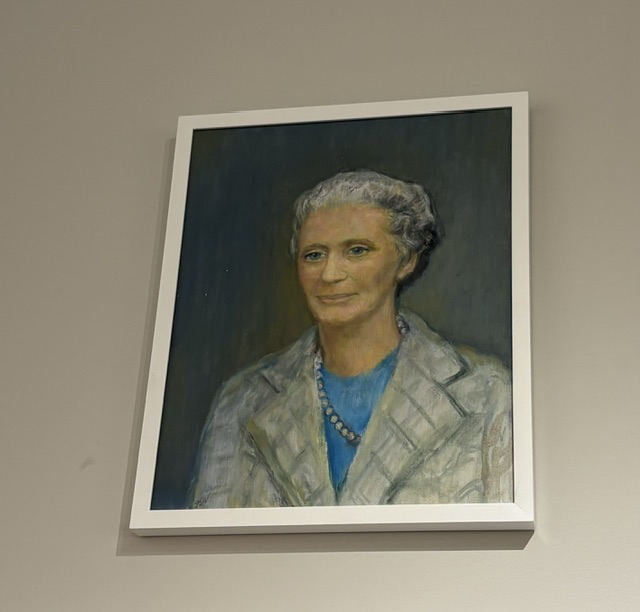
The Life of Alice Stallknecht
Alice Stallknecht was born in New York City in 1880 and developed an interest in becoming a professional artist while still young. From 1898 to 1901, she studied illustration at the New York School of Applied Design for Women, an institution created to provide women with practical artistic training and opportunities for professional employment. She […]
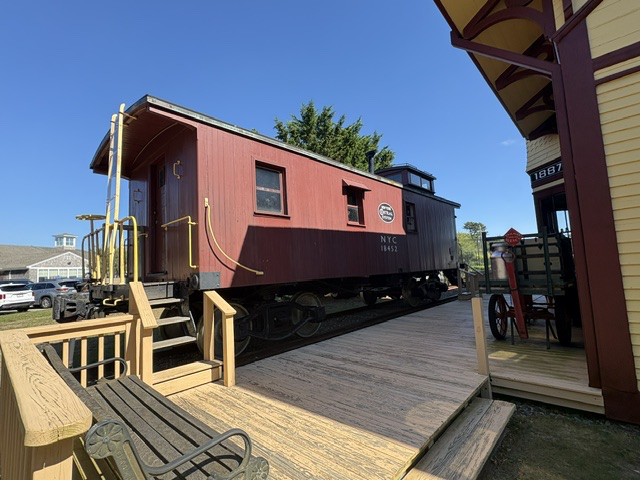
New York Central Caboose No.18452
For generations, the caboose was a familiar sight at the end of an American freight train. It served as a mobile office, observation post and temporary living space for the conductor and brakemen responsible for managing the train’s cargo and safe operation. New York Central Caboose No. 18452 was constructed in the railroad’s shops in […]
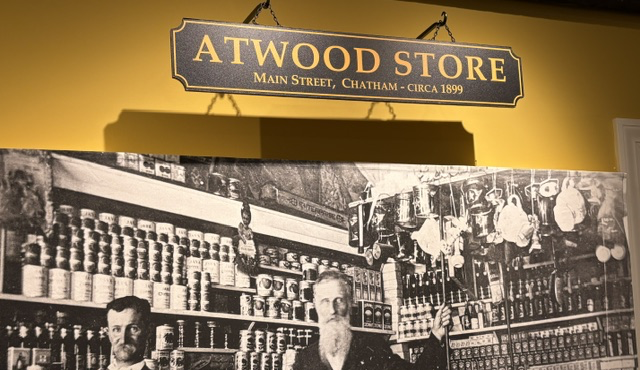
The Atwood Store
The Atwood Store was one of Chatham’s earliest markets. Levi Atwood opened the business in 1849 near the corner of Atwood Street, now Stage Harbor Road, and Cedar Street. It was later moved to Main Street, where it remained in operation until the Atwood family sold it in 1965. Like many 19th-century general stores, the […]
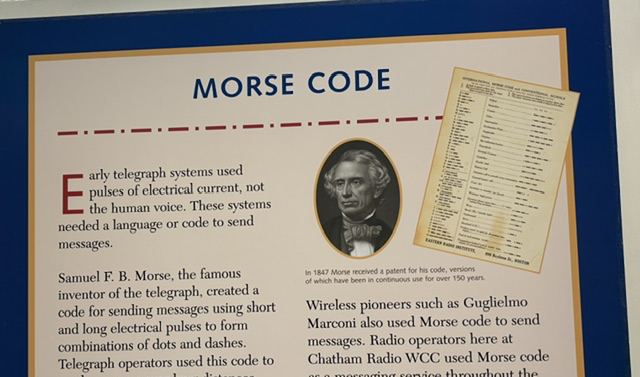
Morse Code
Before voices could be transmitted by radio, messages traveled through patterns of short and long electrical signals. These signals became known as Morse code, named for Samuel F. B. Morse, one of the inventors responsible for developing the electric telegraph. Morse and his associates created a system in which combinations of dots and dashes represented […]
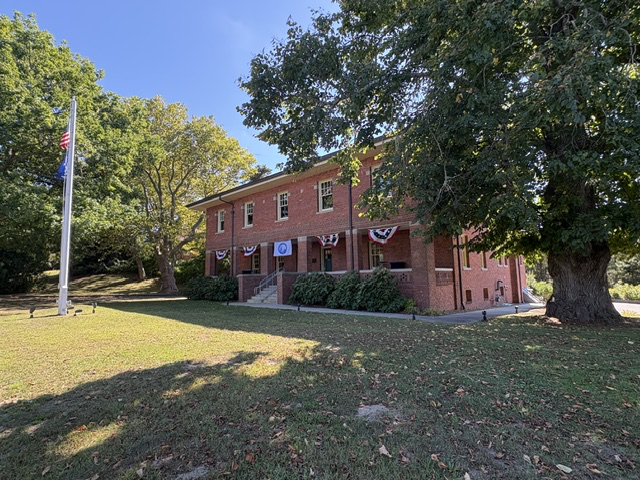
Hotel Nautilus
The building known as Hotel Nautilus was constructed in 1914 as part of the Marconi Wireless Telegraph Company of America’s receiving station in Chatham. Although its name suggests a traditional hotel, its original purpose was to provide housing for the unmarried employees who worked at the station. The Chatham facility was designed as more than […]

