The Atwood Store
The Atwood Store was one of Chatham’s earliest markets. Levi Atwood opened the business in 1849 near the corner of Atwood Street, now Stage Harbor Road, and Cedar Street. It was later moved to Main Street, where it remained in operation until the Atwood family sold it in 1965.
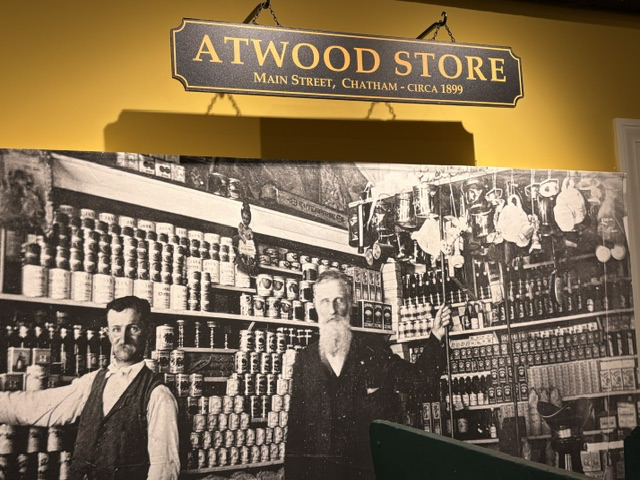
Like many 19th-century general stores, the Atwood Store carried a wide assortment of merchandise. Its shelves held groceries, household supplies, medicines, dry goods, cigars, tobacco and other necessities. Customers came not only to purchase provisions but also to exchange news and participate in the daily life of the community.
Levi Atwood was born in Chatham in 1824. He began his working life as a teacher but resigned because of poor health and opened his store at the age of 25. In addition to operating the business, he served Chatham in several public positions, including selectman, assessor and member of the school committee.
During the 1850s, the store began using a horse-drawn sleigh to deliver provisions during the winter. Painted dark green and marked “Atwood Store” and “Groceries” in gold lettering, it had a long open bed that could accommodate large or unusually shaped loads. Its iron runners curved upward at the front to help it travel across snow-covered roads.
The sleigh continued to be used into the early 20th century. For Chatham residents waiting at home during the winter, its arrival brought groceries and household necessities along with news from the village.
After the store closed, the sleigh was largely forgotten. It was rediscovered in the basement of the Eldredge Garage when that building was demolished in March 2017. Approximately 150 years old, it was restored and donated to the Atwood Museum, preserving an object closely connected to more than a century of Chatham’s commercial and community life.
Read More From Nancy
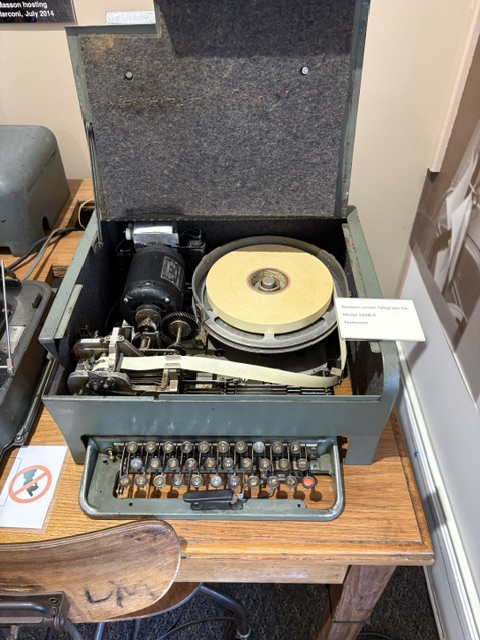
From Telegraph to Teletype
The development of telegraphy transformed long-distance communication. Instead of waiting days or weeks for a written message to travel by ship, train or horseback, information could be transmitted across wires almost instantly. In 1844, Samuel Morse publicly demonstrated an electric telegraph connection between Washington, D.C., and Baltimore. Messages were translated into patterns of dots and […]
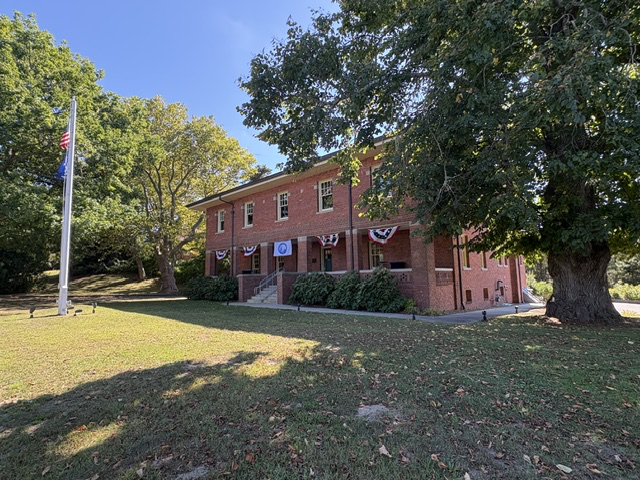
Hotel Nautilus
The building known as Hotel Nautilus was constructed in 1914 as part of the Marconi Wireless Telegraph Company of America’s receiving station in Chatham. Although its name suggests a traditional hotel, its original purpose was to provide housing for the unmarried employees who worked at the station. The Chatham facility was designed as more than […]
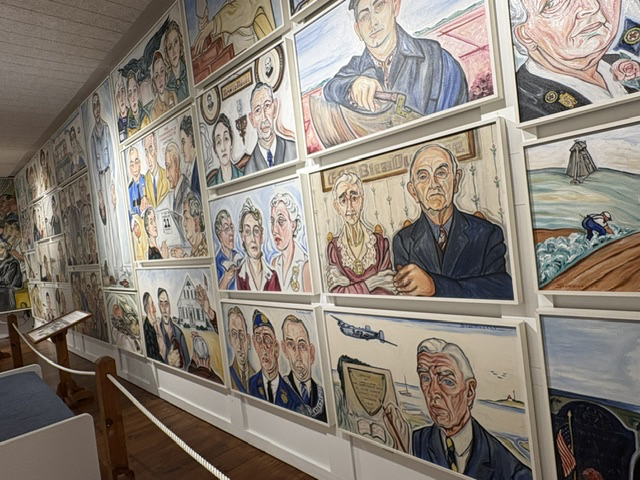
Alice Stallknecht’s Murals of a New England
During the 1930s and 1940s, artist Alice Stallknecht created a series of murals that combined religious imagery with portraits of the people, occupations and institutions of Chatham. Rather than placing biblical figures in a distant historical setting, she presented Christ as a contemporary working man surrounded by recognizable members of the local community. Her first […]

