Andersonville National Historic Site
Visiting Andersonville was one of those experiences that remained with me long after we left. The peaceful landscape seen today stands in stark contrast to what happened here during the final fourteen months of the Civil War.
The site was originally Camp Sumter, one of the largest Confederate military prisons. More than 45,000 captured Union soldiers were confined within its stockade, which became dangerously overcrowded. The prisoners had little shelter, inadequate food and contaminated water. Nearly 13,000 men died from disease, malnutrition, exposure and the effects of their confinement. Their closely spaced graves became Andersonville National Cemetery.
The National Prisoner of War Museum, which opened at the site in 1998, expands the story beyond the Civil War. Its exhibits and film explore the experiences of American prisoners of war from the Revolutionary War through more recent conflicts. Senator John McCain, who endured more than five years as a prisoner during the Vietnam War, delivered the keynote address at the museum’s dedication. The film Echoes of Captivity was narrated by General Colin Powell and included the testimony of former prisoners.
This sculpture shows the Georgia Monument, created by sculptor William Thompson and dedicated in 1976 as a memorial to American prisoners of all wars. Its three wounded figures struggle forward together. Their overlapping arms emphasize how companionship and mutual support could mean the difference between life and death in captivity.
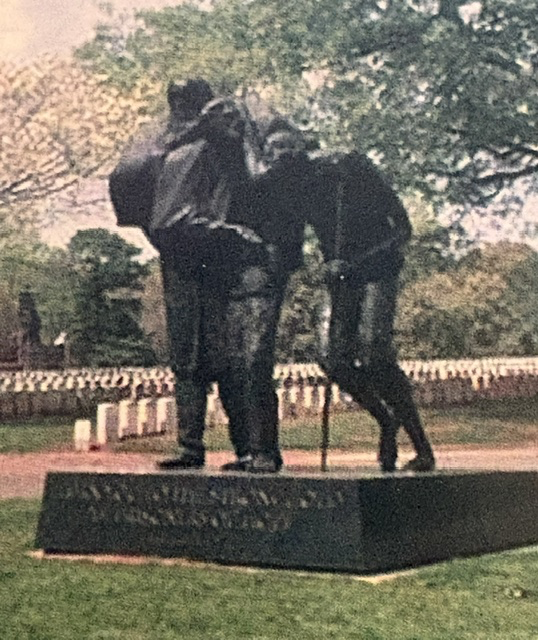
Andersonville National Historic Site brings together three related places: the remains of Camp Sumter, Andersonville National Cemetery and the National Prisoner of War Museum. The museum asks visitors to consider the experiences of prisoners from many wars, but the ground outside returns the story to the Civil War and to the thousands of Union soldiers who suffered and died at this place.
The prison site and cemetery became part of the National Park System when President Richard Nixon signed a law in 1970, authorizing the establishment of Andersonville National Historic Site. Its preservation ensures that Camp Sumter’s history remains connected to the broader story of American prisoners of war and the human cost of captivity.
Read More From Nancy
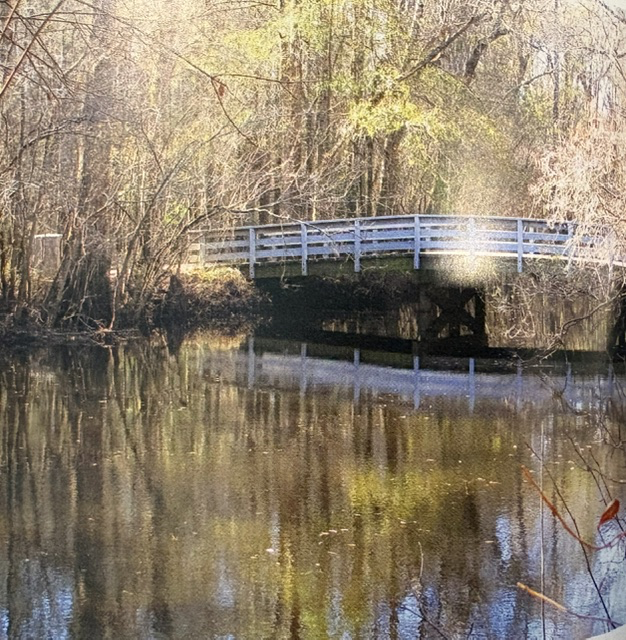
Moores Creek National Battlefield
One of the pleasures of visiting our National Parks is discovering places that most Americans have never heard of yetplayed an important role in the nation’s history. Moores Creek National Battlefield in southeastern North Carolina is one of those places. At first glance, it is simply a peaceful stream winding through a forest. It is difficult to imagine […]
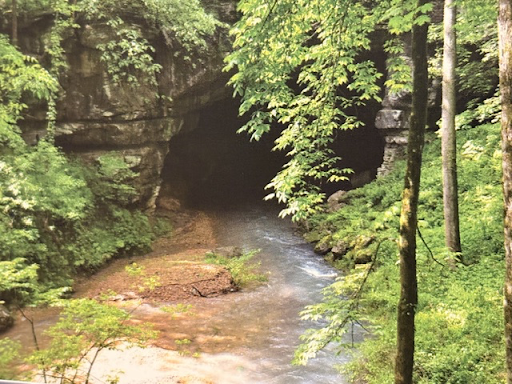
Russell Cave National Monument
Long before cities, highways, and even recorded history, people found shelter beneath this massive limestone cave entrance. Russell Cave is one of the most important archaeological sites in the southeastern United States. Evidence found within the cave reveals that people used it as a shelter for nearly 10.000 years. Archaeologists have uncovered thousands of artifacts that […]
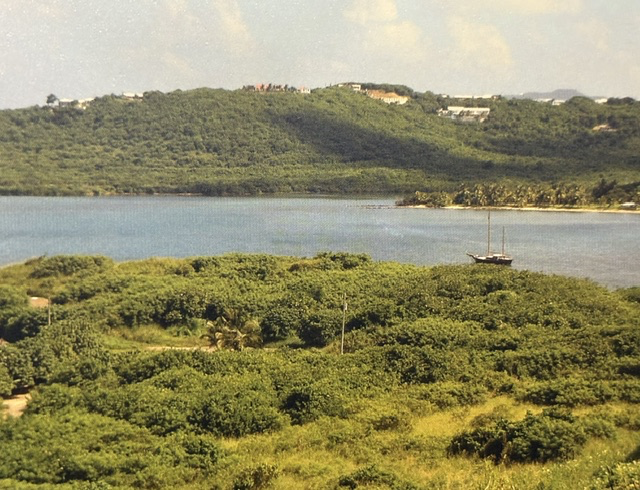
Salt River Bay National Historical Park and Ecological Preserve
When we visited St. Croix, one of the places we wanted to explore was Salt River Bay National Historical Park and Ecological Preserve. Rather than simply seeing the park from shore, we explored it by kayak, which gave us an opportunity to experience the landscape from the water and see the mangroves and shoreline up […]

