Russell Cave National Monument
Long before cities, highways, and even recorded history, people found shelter beneath this massive limestone cave entrance. Russell Cave is one of the most important archaeological sites in the southeastern United States. Evidence found within the cave reveals that people used it as a shelter for nearly 10.000 years. Archaeologists have uncovered thousands of artifacts that provide a remarkable record of daily life from prehistoric times through the early Native American period.
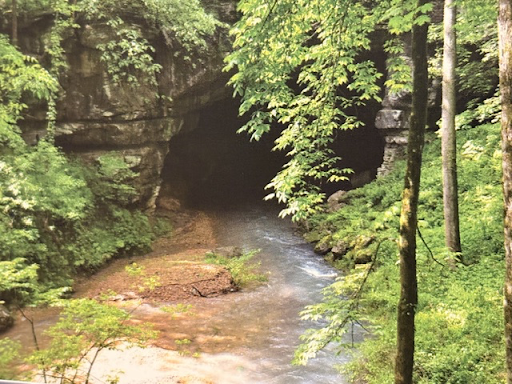
The cave was formed over millions of years as water slowly dissolved the limestone beneath the plateau. A spring-fed stream still flows through the cave, providing fresh water. The national shelter, and access to water, game and fish, gave the location everything needed for survival.
What makes Russell Cave so significant is the continuous record of human occupation preserved within it. The artifacts found here allow archaeologists to trace changes in hunting, food preparation, tool making and community life over thousands of years. Few places provide such a detailed window into the everyday lives of the earliest inhabitants.
Russell Cave was proclaimed a National Monument in 1961 by President John F. Kennedy. The monument was established after the cave and surrounding land were donated to the American people by the National Geographic Society. For nearly ten millennia, people adapted to changing climates and changing cultures while continuing to call this place home.
Read More From Nancy
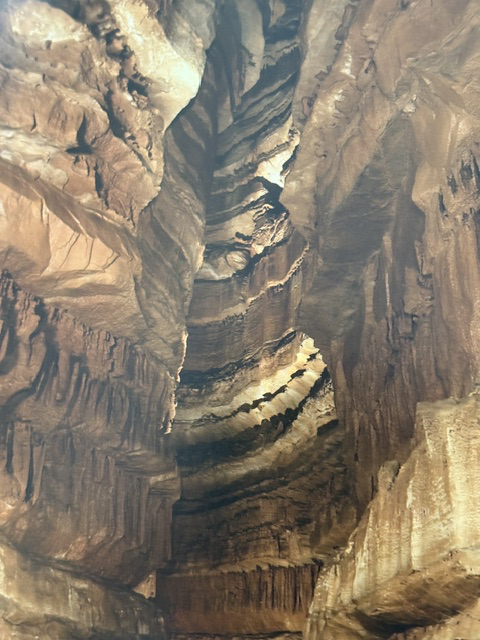
Mammoth Cave National Park
I have visited Mammoth Cave National Park only once, but it is a place that has stayed with me. Walking through the immense underground chambers provided an opportunity to appreciate the geological processes that have shaped this landscape over millions of years. Today, more than 400 miles of passageways have been surveyed, making Mammoth Cave […]
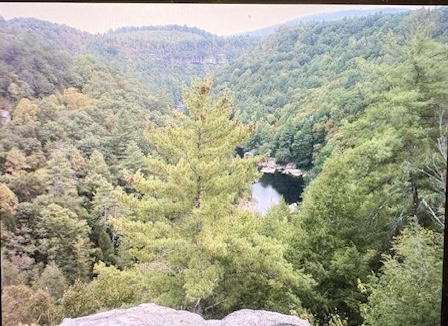
Obed Wild & Scenic River
When I traveled through Tennessee, I found myself moving through the landscape of the Obed Wild and Scenic River. Unlike many places we visit and clearly arrive at, this was a landscape you enter without gates or formal entrances. At the Obed WSR there are miles of creeks and rivers. This remarkable river system came […]
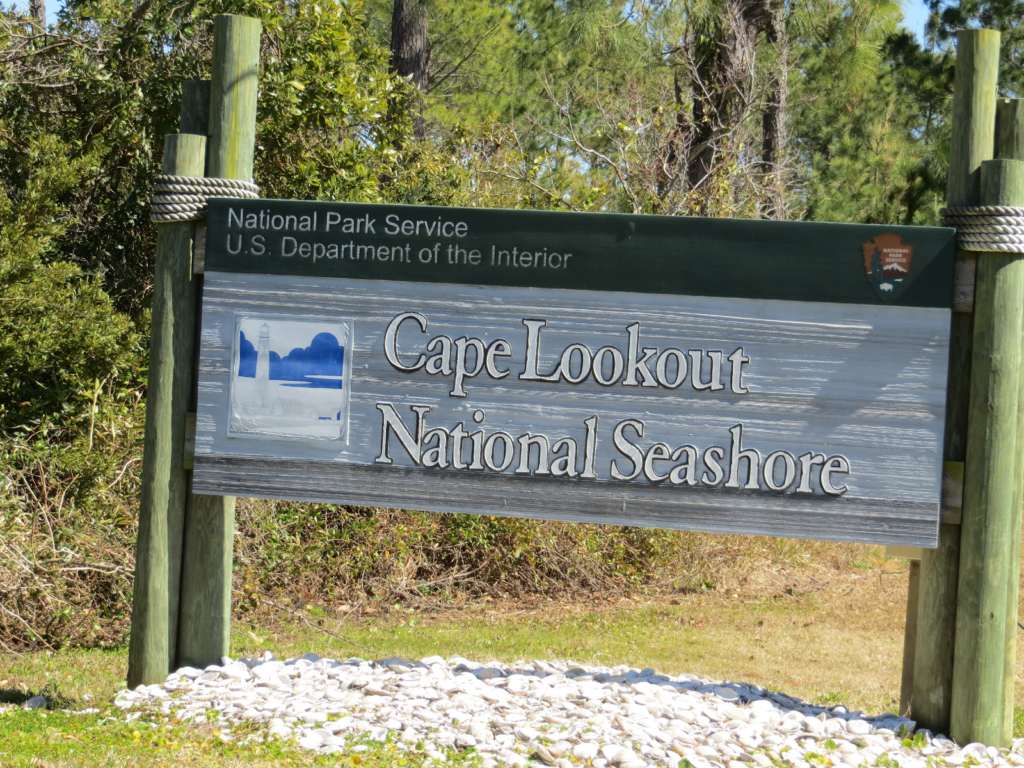
Cape Lookout National Seashore
Cape Lookout National Seashore stretches along the southern Outer Banks of North Carolina, protecting 56 miles of underdeveloped barrier islands. It feels wonderfully remote where ocean, dunes and marsh create a landscape that moves with the wind and tide. The seashore was authorized by Congress in 1966 and officially established in 1976, preserving the fragile barrier […]

