Martin Luther King, Jr. National Historical Park – Ebenezer Baptist Church
There are places where history was witnessed, and there are places where history was spoken. Ebenezer Baptist Church in Atlanta is one of those places.
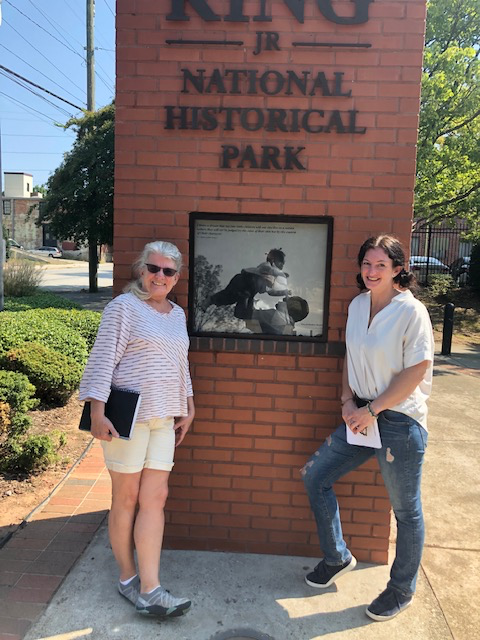
Walking into this sanctuary, I was struck by its simplicity. The pews, the pulpit, and the stained-glass windows are much as they were when generations of worshippers gathered here. Yet this quiet church became the setting for words that would help transform America.
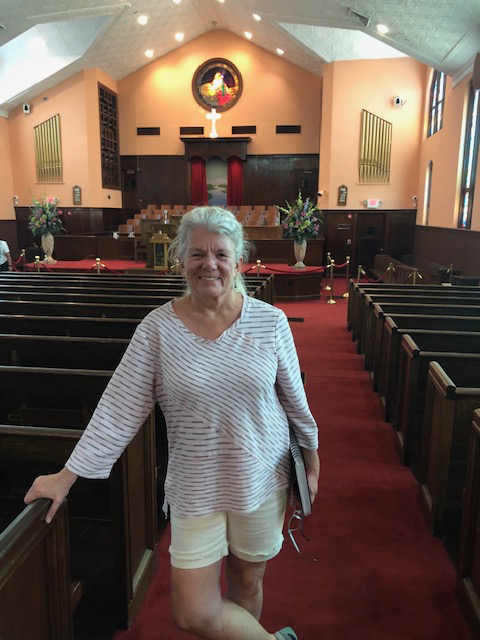
Founded in 1886, Ebenezer Baptist Church became the spiritual home of the King family. Martin Luther King Jr. was baptized here, grew up in this congregation, and eventually served as co-pastor alongside his father, Martin Luther King Sr., affectionately known as “Daddy King.” From this pulpit, Dr. King preached not only the Gospel but also the principles of justice, equality, nonviolence, and hope that became the foundation of the Civil Rights Movement.
Standing inside the sanctuary, it is easy to imagine the congregation listening as a young minister challenged America to live up to its ideals. Many of the sermons that echoed through this church would later inspire speeches heard around the world. It is remarkable to think that one of the twentieth century’s most influential voices first found its strength within these walls.
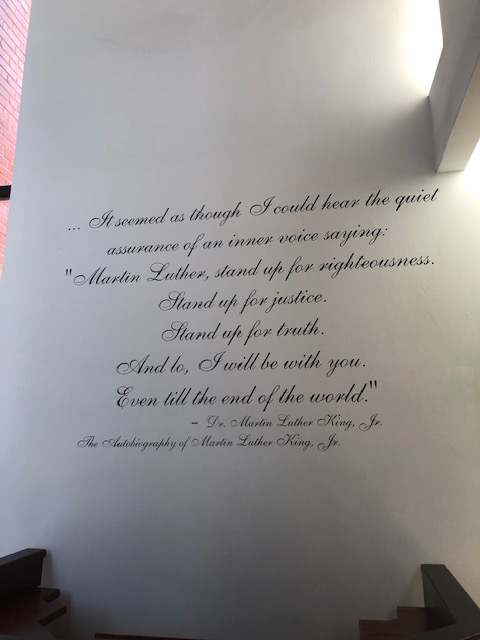
One quotation displayed inside the church especially caught my attention:
“It seemed as though I could hear the quiet assurance of an inner voice saying: ‘Martin Luther, stand up for righteousness. Stand up for justice. Stand up for truth. And lo, I will be with you. Even till the end of the world.‘”
Those words, taken from Dr. King’s autobiography, reflect the faith that sustained him throughout his life. They remind visitors that his courage was rooted not only in conviction but in a deep belief that he had been called to serve a purpose greater than himself.
Today, Ebenezer Baptist Church is preserved as part of the Martin Luther King, Jr. National Historical Park. It remains more than a historic building. It is a place of reflection where visitors can better understand the faith that shaped Dr. King’s life and the moral vision that inspired a movement. Leaving the sanctuary, I was reminded that some of history’s most powerful changes begin not in halls of government, but in places where ordinary people gather to worship, to hope, and to believe that a better future is possible.

Read More From Nancy
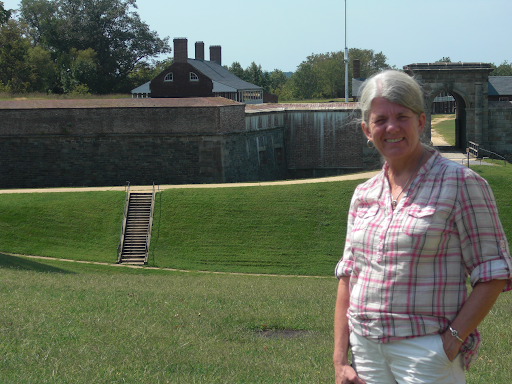
Fort Pulaski National Monument
Fort Pulaski National Monument is just outside of Savannah, GA and was once considered nearly impenetrable, a masterpiece of early American coastal defense. Construction of Fort Pulaski began in 1829 as part of the United States Third System of fortifications, designed to protect the nation’s coastline following the War of 1812. It was named after Casimir Pulaski, a Polish […]
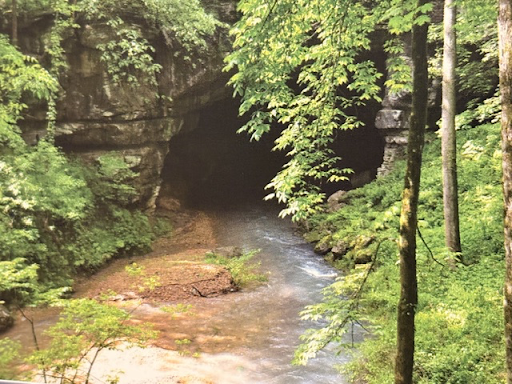
Russell Cave National Monument
Long before cities, highways, and even recorded history, people found shelter beneath this massive limestone cave entrance. Russell Cave is one of the most important archaeological sites in the southeastern United States. Evidence found within the cave reveals that people used it as a shelter for nearly 10.000 years. Archaeologists have uncovered thousands of artifacts that […]
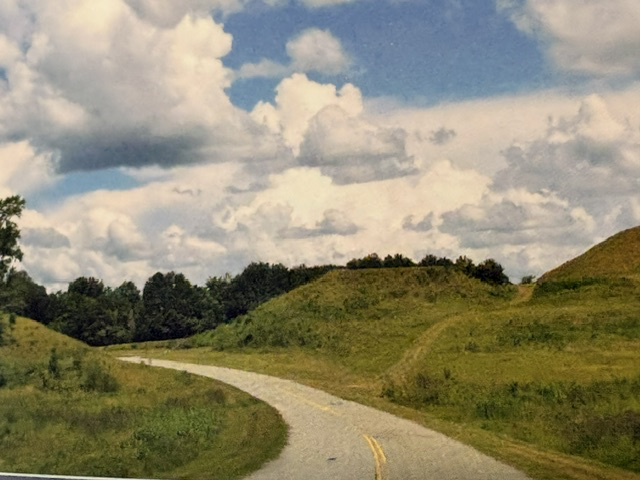
Ocmulgee Mounds National Historical Park
We had the opportunity to explore many parts of Georgia while Erin was attending chiropractic school in Marietta, and one place we visited was Ocmulgee Mounds National Historical Park near Macon. Preserving traces of more than 12,000 years of human history, the park tells the story of the many peoples who lived along the Ocmulgee […]

