Fort Caroline National Memorial
Fort Caroline National Memorial preserves the story of France’s attempt to establish a permanent colony in Florida during the 16th century. In 1564, an expedition led by René Goulaine de Laudonnière constructed a triangular fort near the St. Johns River. The settlement was named La Caroline in honor of France’s King Charles IX.
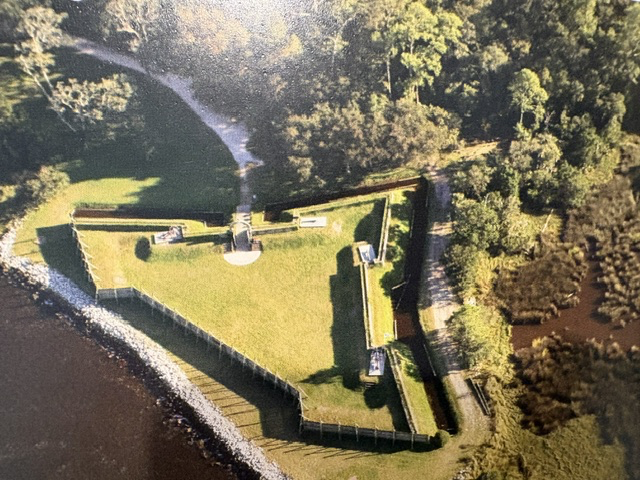
Many of the colonists were French Protestants known as Huguenots, who hoped to establish a French presence in a region claimed by Spain. They traded and formed alliances with local Timucua communities, but shortages of food, internal disputes and the failure of expected supply ships placed the colony under increasing strain.
In September 1565, Spanish forces commanded by Pedro Menéndez de Avilés attacked Fort Caroline. Most of its defenders were killed, and Spain took control of the settlement, renaming it San Mateo. The defeat ended France’s attempt to establish a permanent colony in Florida and strengthened Spain’s claim to the region.
Congress authorized Fort Caroline National Memorial on September 21, 1950, during the administration of President Harry S. Truman. The memorial was formally established in 1953 and is now administered as part of Timucuan Ecological and Historic Preserve.
The original location of Fort Caroline has never been conclusively identified. The open-air fort exhibit near Jacksonville is therefore an interpretation rather than a reconstruction on the original foundation. Its design is based on surviving historical accounts and illustrations, helping visitors understand the colony’s appearance and the broader struggle among France, Spain and the region’s Indigenous peoples for influence in 16th-century Florida.
Read More From Nancy
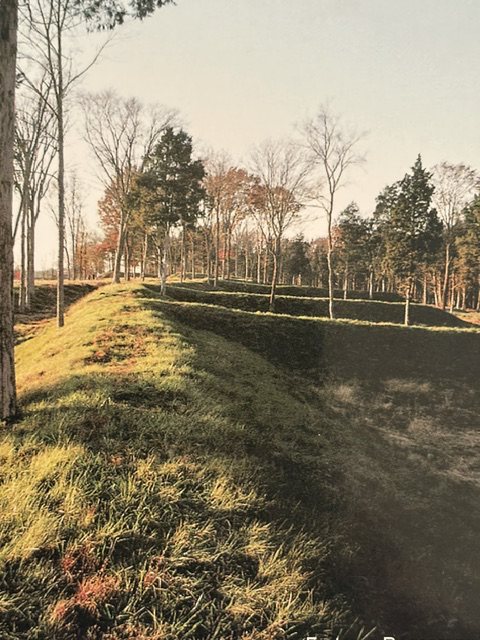
Stones River National Battlefield
While visiting Stones River National Battlefield in Murfreesboro, we came upon these long, grass-covered earthworks. At first glance they look almost like natural ridges, but they are surviving sections of Fortress Rosecrans, one of the largest earthen fortifications constructed during the Civil War. The fortress was built following the Battle of Stones River, fought from […]
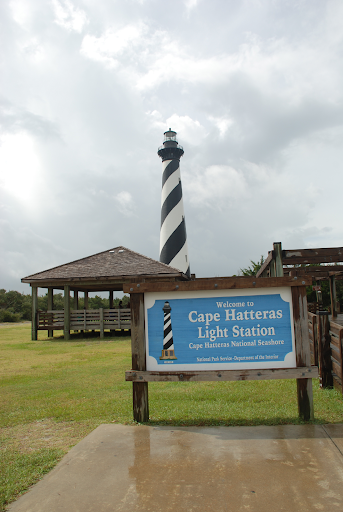
Cape Hatteras National Seashore
On our vacation to the Outer Banks of North Carolina, we visited the Cape Hatteras National Seashore. This site was established in 1953 as the first national seashore in the United States Cape Hatteras protects more than 70 miles of barrier island coastline. Rising above the landscape is the Cape Hatteras Lighthouse which was completed in […]
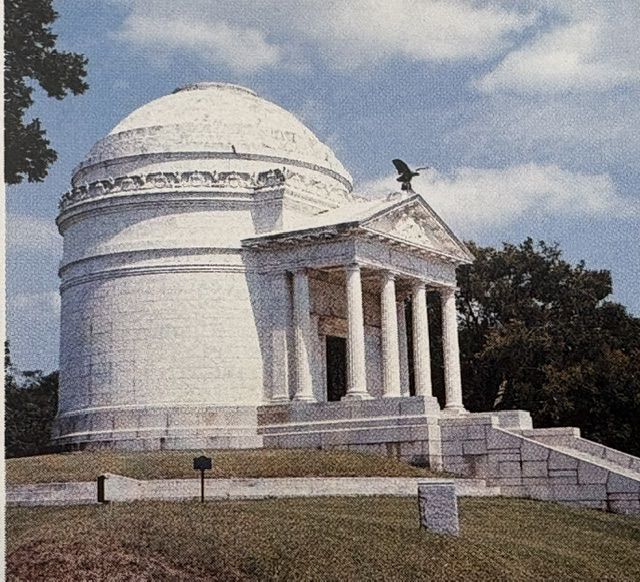
Vicksburg National Military Park
The campaign for Vicksburg was one of the most decisive military operations of the Civil War. Perched high above a bend in the Mississippi River, Vicksburg controlled movement along the nation’s most important waterway. Its formidable defenses earned it the name “Gibraltar of the Confederacy”. As long as the city remained in Confederate hands, the […]

