Salt River Bay National Historical Park and Ecological Preserve
When we visited St. Croix, one of the places we wanted to explore was Salt River Bay National Historical Park and Ecological Preserve. Rather than simply seeing the park from shore, we explored it by kayak, which gave us an opportunity to experience the landscape from the water and see the mangroves and shoreline up close.
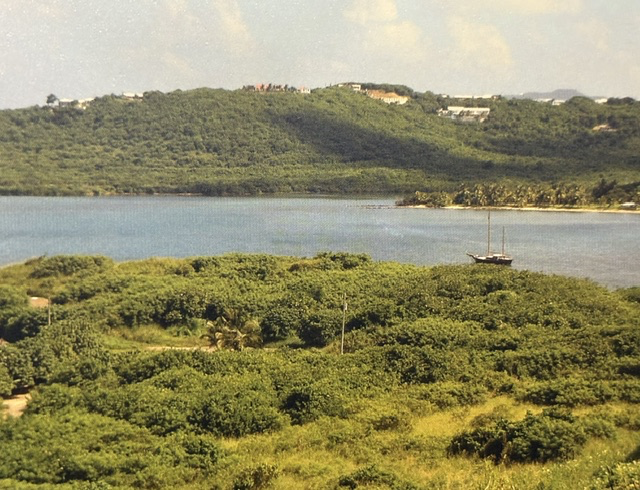
Salt River Bay is unusual within the National Park System because it protects both an important natural environment and layers of human history stretching back more than a thousand years. Archaeological evidence shows that Indigenous peoples lived around the bay for centuries before Europeans arrived, leaving behind settlement sites and ceremonial areas that have helped archaeologists better understand the early cultures of St. Croix.
The bay also has an important connection to Christopher Columbus. During his second voyage to the Americas, Columbus reached St. Croix in November 1493. Members of his expedition entered the Salt River Bay area and encountered Indigenous people. A violent confrontation followed, generally regarded as the first documented armed encounter between Europeans and Native peoples in what is now United States territory.
Centuries later, European powers continued to recognize the strategic importance of the bay. The French constructed Fort Salé here in the seventeenth century, and remains of the earthwork fortifications can still be found within the park.
The natural environment is just as important as its history. Salt River Bay contains one of the largest remaining mangrove forests in the U.S. Virgin Islands, along with seagrass beds, coral reefs, and a remarkable submarine canyon that drops into deep water just offshore. Together, these habitats support fish, birds, sea turtles, and a wide variety of other marine life.
Congress established Salt River Bay National Historical Park and Ecological Preserve in 1992 to protect this combination of archaeological sites, historic resources, and fragile coastal and marine ecosystems.
Read More From Nancy
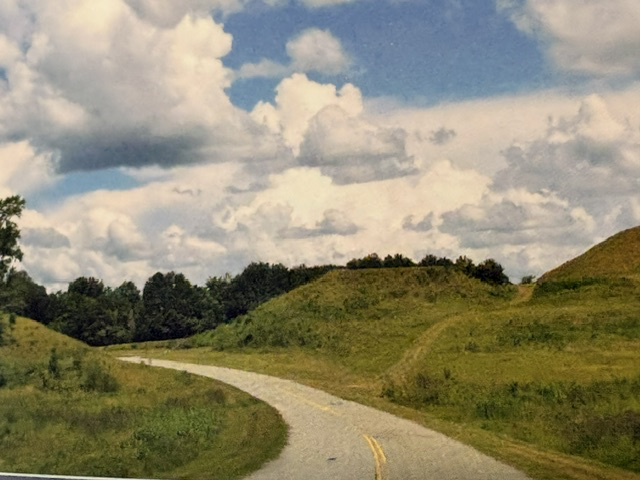
Ocmulgee Mounds National Historical Park
We had the opportunity to explore many parts of Georgia while Erin was attending chiropractic school in Marietta, and one place we visited was Ocmulgee Mounds National Historical Park near Macon. Preserving traces of more than 12,000 years of human history, the park tells the story of the many peoples who lived along the Ocmulgee […]
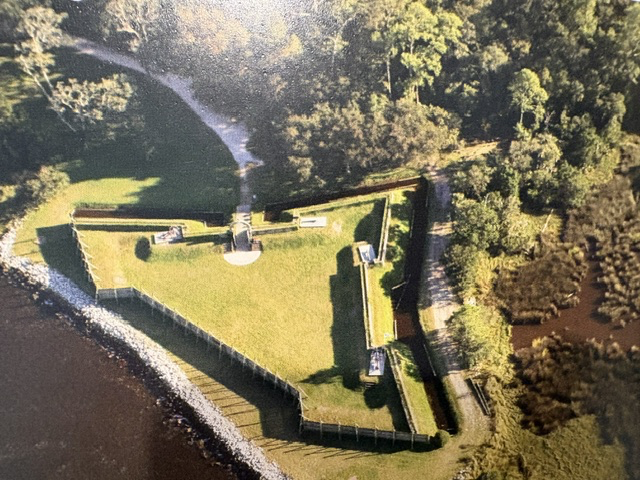
Fort Caroline National Memorial
Fort Caroline National Memorial preserves the story of France’s attempt to establish a permanent colony in Florida during the 16th century. In 1564, an expedition led by René Goulaine de Laudonnière constructed a triangular fort near the St. Johns River. The settlement was named La Caroline in honor of France’s King Charles IX. Many of […]
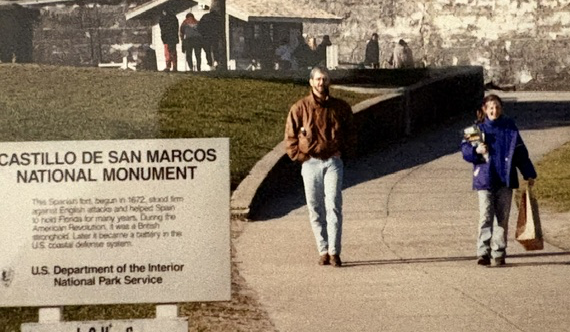
Castillo de San Marcos National Monument
Castillo de San Marcos stands along the western shore of Matanzas Bay in St. Augustine. Constructed by the Spanish between 1672 and 1695, it protected the oldest continuously occupied European-established settlement in the continental United States and guarded Spain’s interests in Florida. St. Augustine was founded by Pedro Menéndez de Avilés in 1565. For more […]

