Court Crier Box
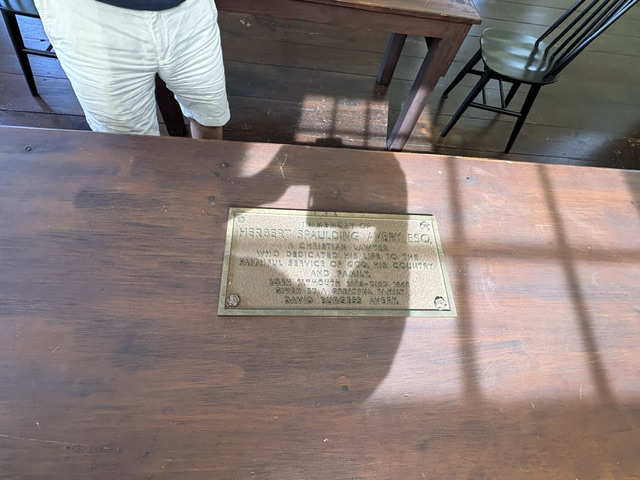
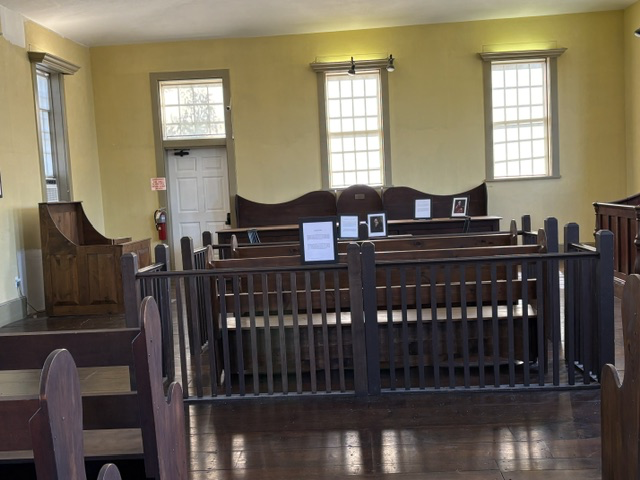
Inside the 1749 Court House, this simple wooden enclosure caught my attention. It is a reconstruction of a court crier’s box, representing the place occupied by an official whose voice once helped keep the business of the courtroom moving.

The court crier had a surprisingly important role. He was responsible for maintaining order, announcing the opening and adjournment of court, calling witnesses and jurors, delivering proclamations and performing other duties for the judges. The familiar command “Oyez, Oyez, Oyez”, meaning essentially “Hear ye”, has its origins in this long courtroom tradition.
Court criers were once common in American courts, particularly before microphones, electronic communication, and modern administrative systems made many of their duties unnecessary. In a crowded 18th-century courtroom, however, a strong voice was an essential tool. The crier connected the judge, attorneys, witnesses, jurors, and spectators, making certain everyone knew when court was beginning and who was being summoned before it.

Read More From Nancy
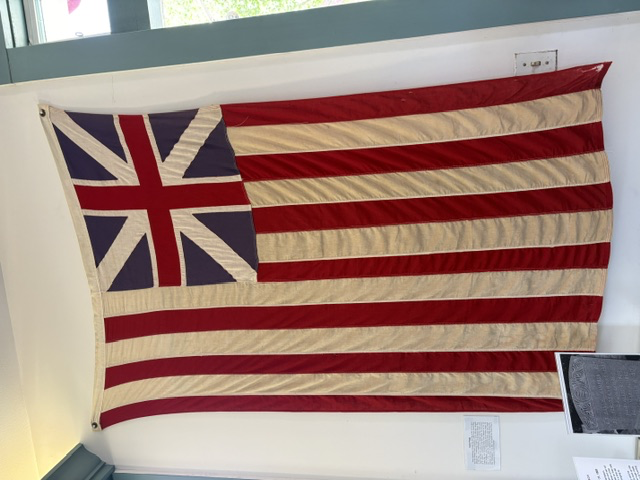
The Grand Union Flag
While exploring Plymouth’s 1749 Courthouse, I came across this flag. At first glance it seems almost contradictory: thirteen red and white stripes like an early American flag, but with the British Union flag occupying the canton. That contradiction is exactly what makes the Grand Union Flag so important. The thirteen stripes represented the thirteen American […]
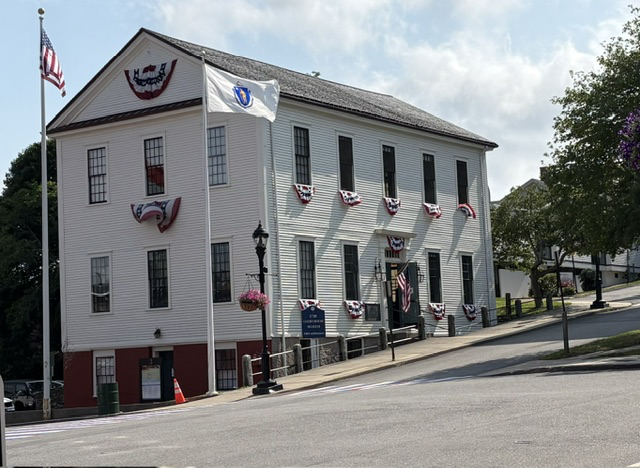
1749 Court House
Standing at the top of Town Square is Plymouth’s historic 1749 Court House, a building that has witnessed nearly three centuries of the town’s civic life. Erected in 1749, when Plymouth was still part of the Province of Massachusetts Bay under British rule, it served as the courthouse for Plymouth County and is believed to […]
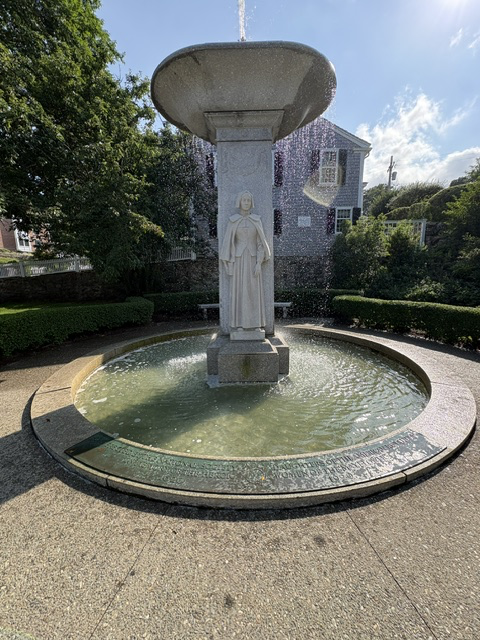
The Pilgrim Mother Fountain
Standing near Plymouth’s waterfront, the Pilgrim Mother Fountain honors the women who crossed the Atlantic aboard the Mayflower and helped establish Plymouth Colony. While the colony’s governors, ministers, and military leaders are frequently remembered by name, this monument turns attention toward the women whose courage and endurance were equally essential to the settlement’s survival. The […]

