The Soldiers’ Monument
Rising above Waltham Common is the city’s Civil War Soldiers’ Monument, erected in May 1868, only three years after the end of the Civil War. Its prominent location was intentional. Like Civil War monuments on town commons throughout New England, it placed the memory of those who served directly at the center of community life.
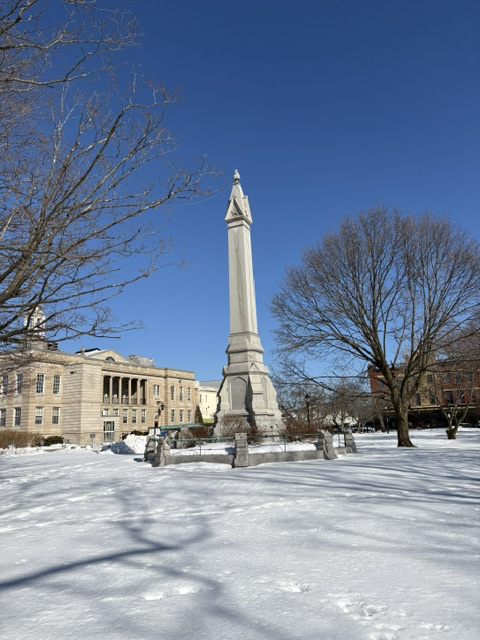
The Civil War had an enormous impact on what was then a relatively small town. Waltham had a population of only about 5,000 when the war began in 1861, yet approximately 700 Waltham men ultimately served. On April 26, 1861, just weeks after the attack on Fort Sumter, the town voted to form Company H of the 16th Massachusetts Volunteer Infantry. The men drilled here on Waltham Common before leaving for war. Members of the Waltham Light Dragoons also became part of the 1st Massachusetts Cavalry, while other Waltham residents served in numerous Massachusetts regiments.
The town supported its soldiers in very practical ways. Waltham initially voted to provide uniforms and additional monthly pay and made provisions to assist the families of men who had gone to war. As the conflict continued, the town appropriated additional money and offered enlistment bounties. Among Waltham’s Civil War soldiers were men whose stories reached far beyond the community. Nathaniel P. Banks, a former Massachusetts governor and Speaker of the U.S. House of Representatives, became a major general in the Union Army. Waltham soldier George H. Maynard later received the Medal of Honor for bravery at the Battle of Fredericksburg.
When the monument was erected in 1868, many of the veterans it honored were still young men, and the families who had watched soldiers drill on this very Common only a few years earlier were still living with the consequences of the war. The monument therefore was not originally a distant historical marker. It was a memorial created by a community that had personally experienced the departures, deaths and homecomings of the Civil War.
Today it remains one of the defining features of Waltham Common, now part of the Central Square Historic District.
Read More From Nancy
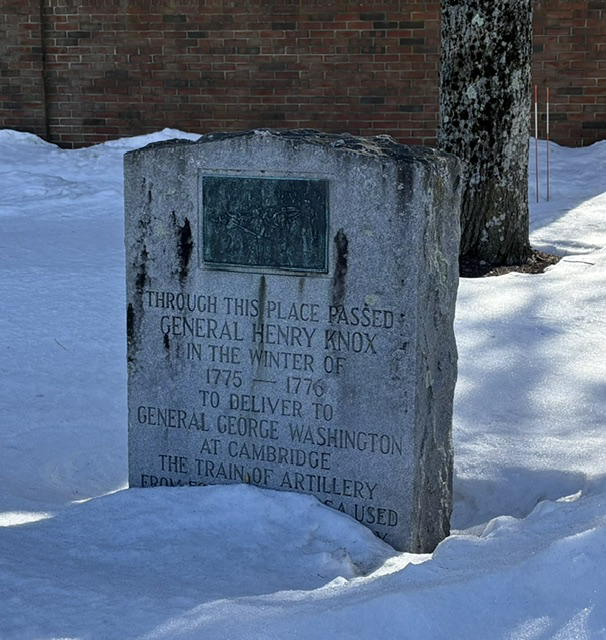
Henry Knox Marker
I have written about General Henry Knox and his remarkable journey across Massachusetts with the “Noble Train of Artillery.” Whenever I come across one of the historical markers commemorating this expedition, I make it a point to stop and photograph it. Although each marker tells the same story, each represents another community that played a […]
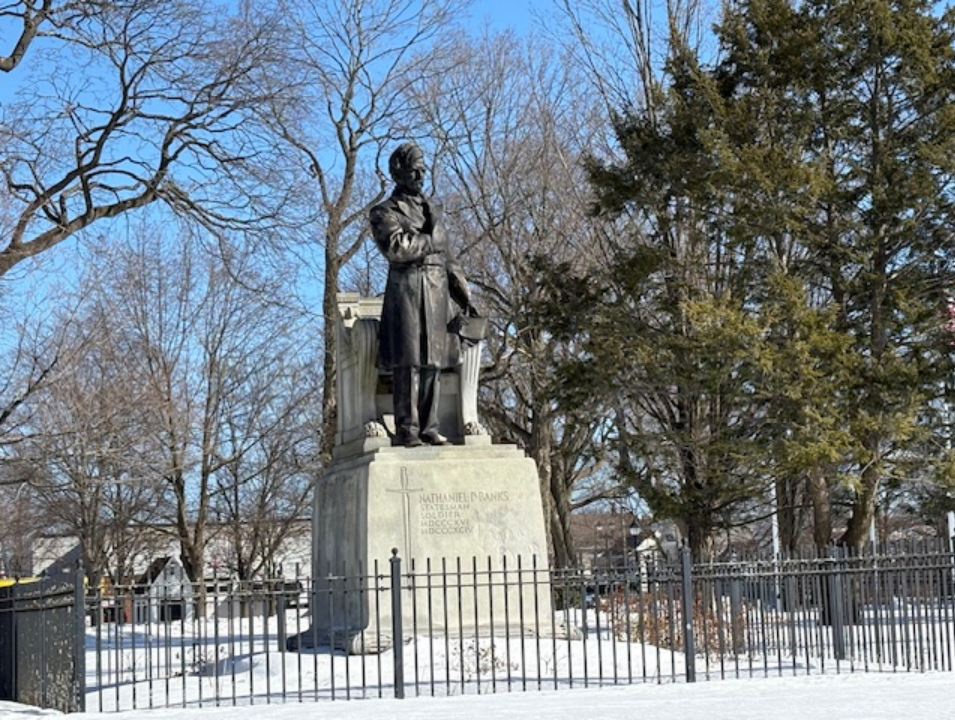
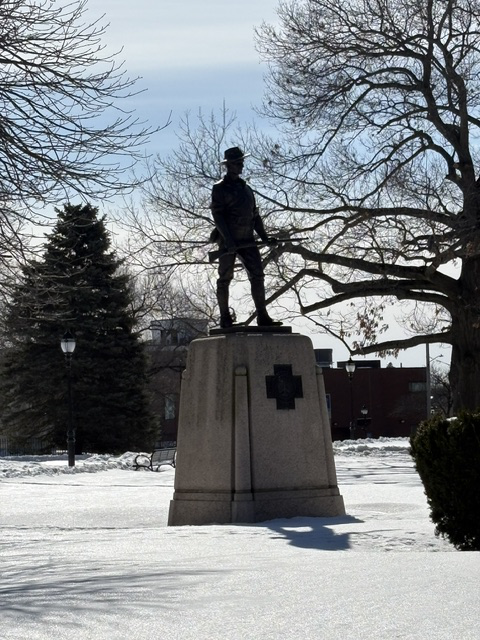
Nathan P. Banks Statue
I stop at statues, sometimes to admire the sculpture itself, but always to ask what about this person’s life was so memorable that a town or community would place their image in such a prominent location. That was certainly true for the large, prominent sculpture I found on the Waltham Common. There, standing in bronze, is […]
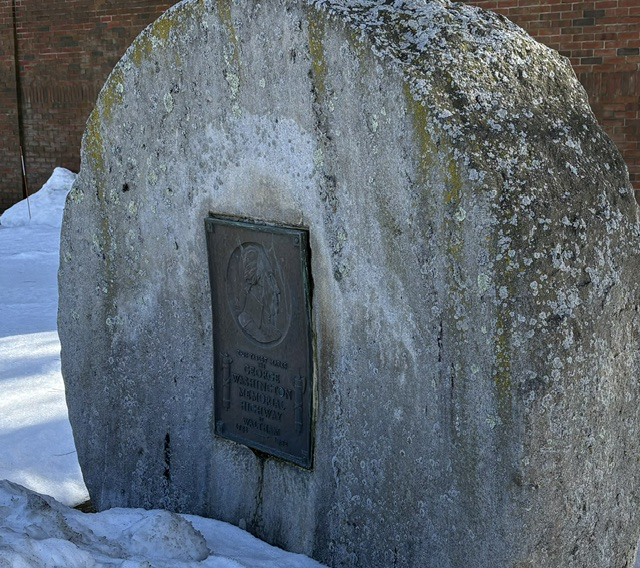
George Washington Memorial Highway Marker
Throughout my travels in New England, I have frequently come across bronze markers identifying the route traveled by General George Washington. They appear in many towns and cities across Massachusetts, commemorating the roads Washington followed as he journeyed to assume command of the Continental Army in 1775 and later as President of the United States […]

