Mill 2
Mill 2 in Amesbury’s Upper Millyard preserves nearly two centuries of changing industry. Begun in 1825 and completed in 1827, the substantial brick building first housed textile manufacturing. Later occupants produced automobile bodies, sold hardware and interpreted the community’s industrial history. Its successive uses trace the changing work of a New England manufacturing town.
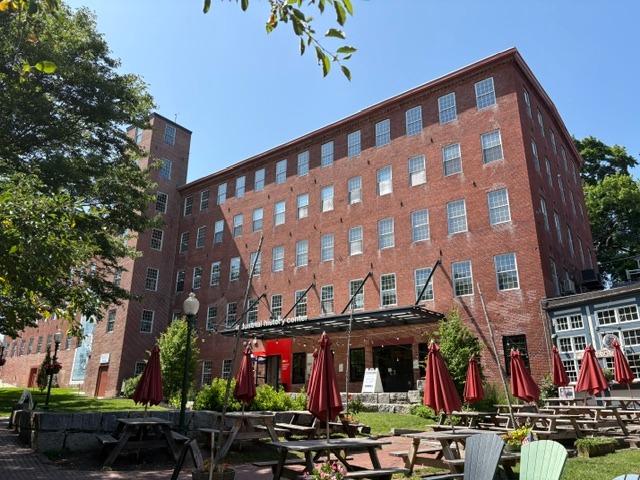
The Salisbury Manufacturing Company developed the mill as part of a larger textile enterprise along the Powow River. Falling water supplied the energy that made this location valuable. Water was directed through channels to operate machinery, connecting the building’s productive capacity with the river flowing through the center of the community.
Textile production required more than machinery and waterpower. Workers brought the knowledge needed to operate and maintain equipment and turn raw materials into finished cloth. Among the families arriving in the mills village during the nineteenth century were skilled Irish immigrants who had learned their trades in British textile centers. Their experience became part of Amesbury’s industrial workforce.
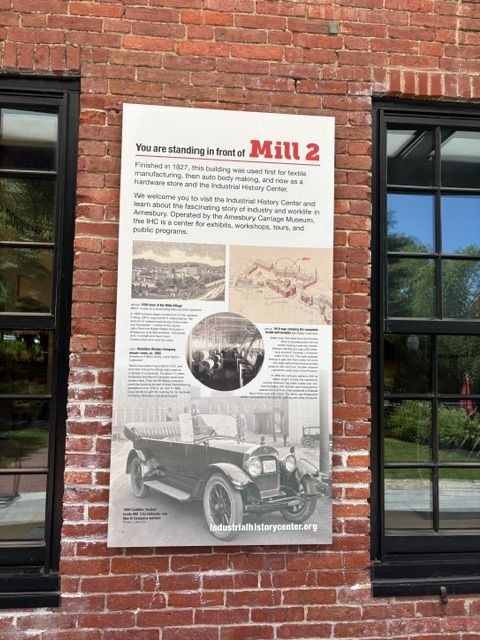
As textile operations declined, Mill 2 accommodated automobile-body manufacturers. Hollander & Morrill occupied space here from 1918 to 1925, producing bodies for vehicles that included Cadillac automobiles. The building’s reuse connected the earlier textile economy with Amesbury’s growing reputation for specialized automotive craftsmanship.
The mill subsequently became home to Amesbury Industrial Supply, giving the former factory another working life as a hardware store. The Industrial History Center added a complementary purpose: preserving and explaining the experiences of the people who worked in Amesbury’s mills and factories. Manufacturing history became something explored within the same walls where it had unfolded.
Mill 2’s significance lies in both its survival and its continued usefulness. Its brick exterior remains a prominent feature of the millyard, while its changing occupants reveal how an industrial building could adapt as products, technologies and local needs changed.
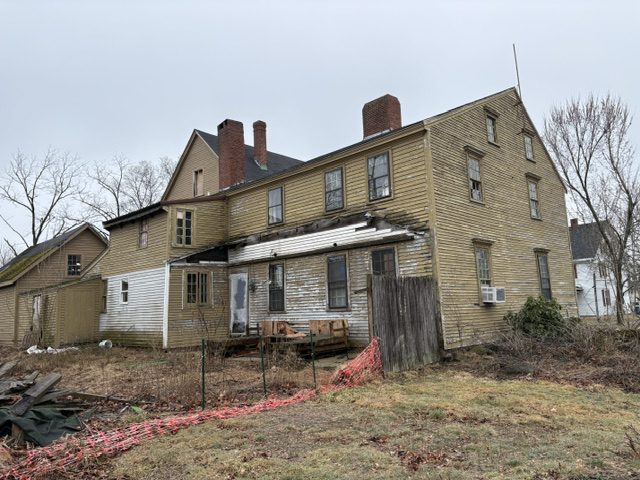
Read More From Nancy
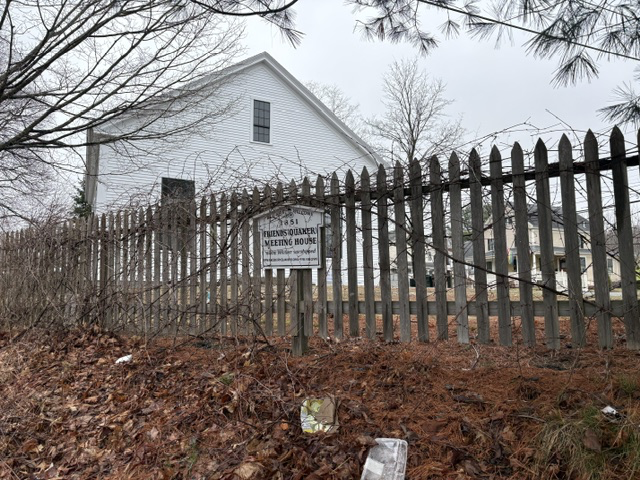
Quaker Meeting House
This is the old Friends Quaker Meeting House in Amesbury, closely connected to the life of ohn Greenleaf Whittier and the Quaker traditions that shaped both his beliefs and his writing. Whittier was raised in a Quaker family, and the values of the Society of Friends remained central to his life. The Quakers emphasized simplicity, equality, peace, personal […]
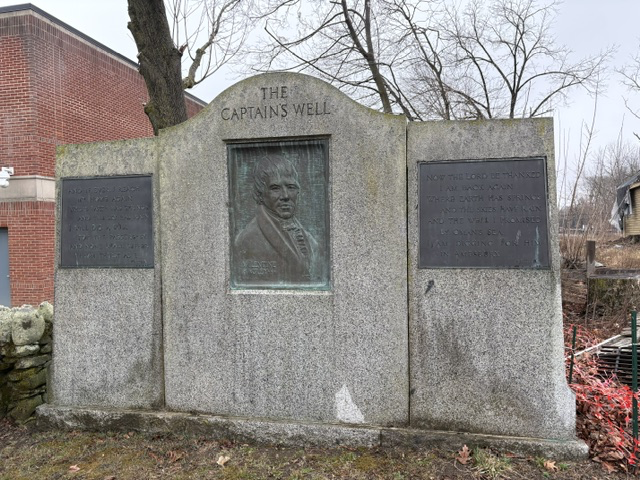
The Captain’s Well
This monument in Amesbury is known as The Captain’s Well, and it quietly preserves pat of the town’s maritime past. The restored stone wall, complete with its long wooden sweep and bucket arm, reflects a time when wells were central gathering places within a community. Before modern plumbing, places like this supplied water not only for homes, but […]
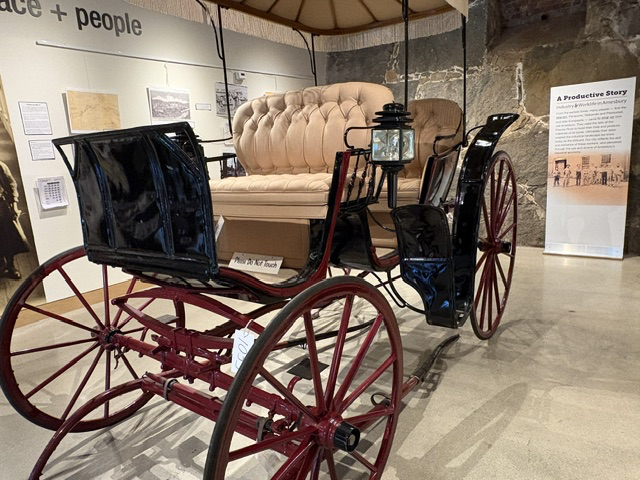
Amesbury Carriage Museum
Every town has a story that shaped its identity. For Amesbury, that story was built on wheels. Long before automobiles transformed the American landscape, Amesbury was recognized around the world as one of the finest centers of carriage manufacturing. During the nineteenth century, the city’s factories produced elegant coaches, family wagons, commercial vehicles, and luxury […]

