Carriage Capital of the World
The “Carriage Capital of the World” mural in downtown Amesbury recalls an industry that carried the town’s reputation far beyond Massachusetts. Beginning in the early 1850s, local manufacturers developed a thriving trade in finely crafted horse-drawn vehicles. Carriage making became a defining part of Amesbury’s identity, joining the textile mills and other enterprises already established along the Powow River.
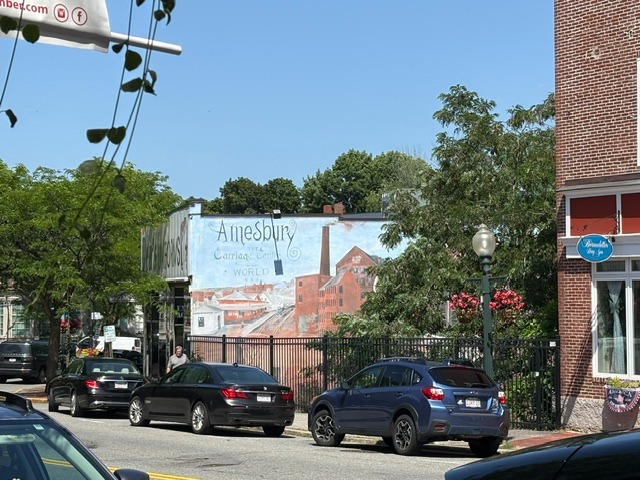
The industry depended on skilled hands. Woodworking, metalworking, upholstery and decorative painting contributed to a finished vehicle’s strength, comfort and appearance. One young carriage painter, Charles Harold Davis, developed his artistic abilities while finishing vehicles in Amesbury. Manufacturer Jacob Huntington later helped finance his study in France, supporting a career that would make Davis an accomplished landscape painter.
The arrival of the automobile created opportunities to apply those skills to a new product. After 1900, local factories increasingly turned to automobile bodies, supplying manufacturers that included Buick, Cadillac, Franklin and Hudson. Amesbury firms specialized in carefully finished bodies, particularly elaborate enclosed models. Companies such as Biddle & Smart and Walker became major participants in this transition.
Amesbury’s automobile-body industry declined as large manufacturers brought production into their own plants. The stock market crash of 1929 and the Great Depression accelerated that change. The mural preserves the memory of a community whose craftsmanship adapted to a transportation revolution and whose fortunes were ultimately reshaped by the scale and organization of modern manufacturing.
Read More From Nancy
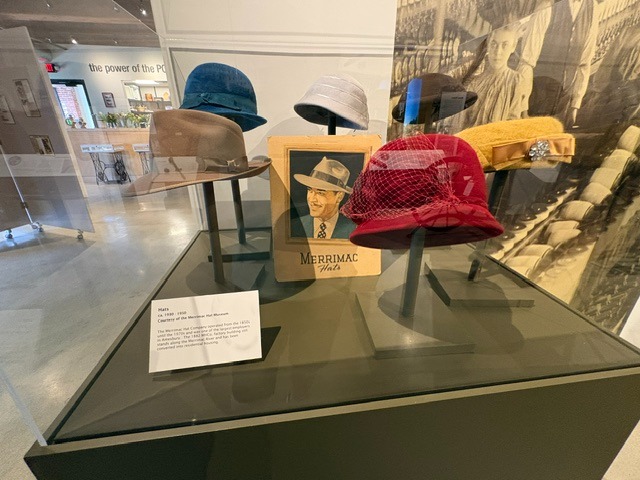
Merrimac Hats
The hats preserved at Amesbury’s Industrial History Center represent an industry that connected local factory workers with customers across the country. Dating from approximately 1930 to 1950, the display includes both men’s and women’s styles. Their varied shapes, colors and decorative details reveal the range of products associated with the Merrimac name. Established in 1856, […]
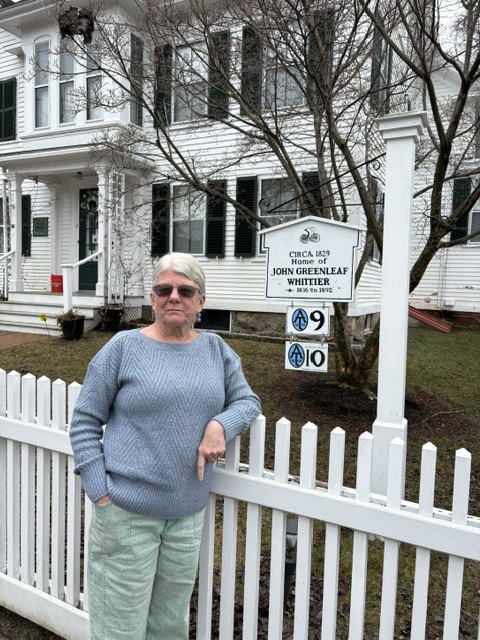
John Greenleaf Whittier House
John Greenleaf Whittier was the reason I first visited Amesbury many years ago. A poet, writer, and one of the leading abolitionists of the 19th century. Whittier used both his words and public influence to speak out against slavery during one of the most divided periods in American history. The home behind me, The John Greenleaf […]
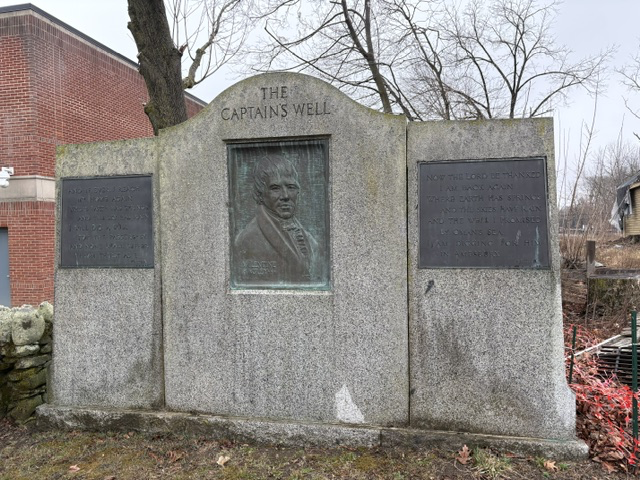
The Captain’s Well
This monument in Amesbury is known as The Captain’s Well, and it quietly preserves pat of the town’s maritime past. The restored stone wall, complete with its long wooden sweep and bucket arm, reflects a time when wells were central gathering places within a community. Before modern plumbing, places like this supplied water not only for homes, but […]

