The Soldiers’ Monument
Rising above Waltham Common is the city’s Civil War Soldiers’ Monument, erected in May 1868, only three years after the end of the Civil War. Its prominent location was intentional. Like Civil War monuments on town commons throughout New England, it placed the memory of those who served directly at the center of community life.
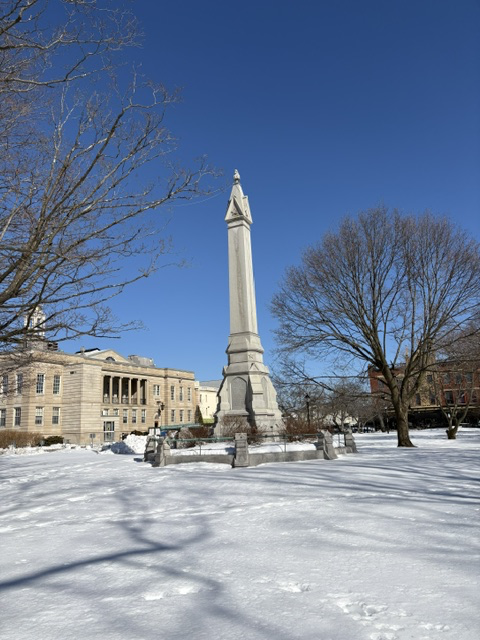
The Civil War had an enormous impact on what was then a relatively small town. Waltham had a population of only about 5,000 when the war began in 1861, yet approximately 700 Waltham men ultimately served. On April 26, 1861, just weeks after the attack on Fort Sumter, the town voted to form Company H of the 16th Massachusetts Volunteer Infantry. The men drilled here on Waltham Common before leaving for war. Members of the Waltham Light Dragoons also became part of the 1st Massachusetts Cavalry, while other Waltham residents served in numerous Massachusetts regiments.
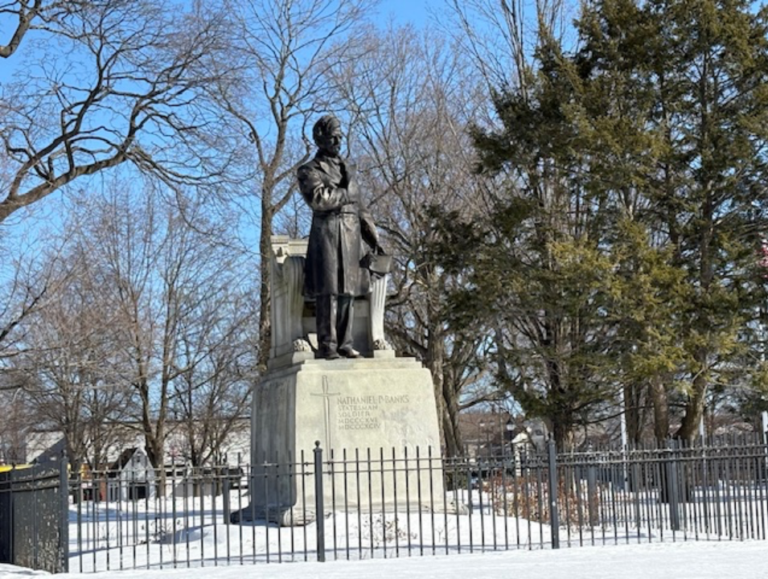
The town supported its soldiers in very practical ways. Waltham initially voted to provide uniforms and additional monthly pay and made provisions to assist the families of men who had gone to war. As the conflict continued, the town appropriated additional money and offered enlistment bounties. Among Waltham’s Civil War soldiers were men whose stories reached far beyond the community. Nathaniel P. Banks, a former Massachusetts governor and Speaker of the U.S. House of Representatives, became a major general in the Union Army. Waltham soldier George H. Maynard later received the Medal of Honor for bravery at the Battle of Fredericksburg.
When the monument was erected in 1868, many of the veterans it honored were still young men, and the families who had watched soldiers drill on this very Common only a few years earlier were still living with the consequences of the war. The monument therefore was not originally a distant historical marker. It was a memorial created by a community that had personally experienced the departures, deaths and homecomings of the Civil War.
Today it remains one of the defining features of Waltham Common, now part of the Central Square Historic District.
Read More From Nancy
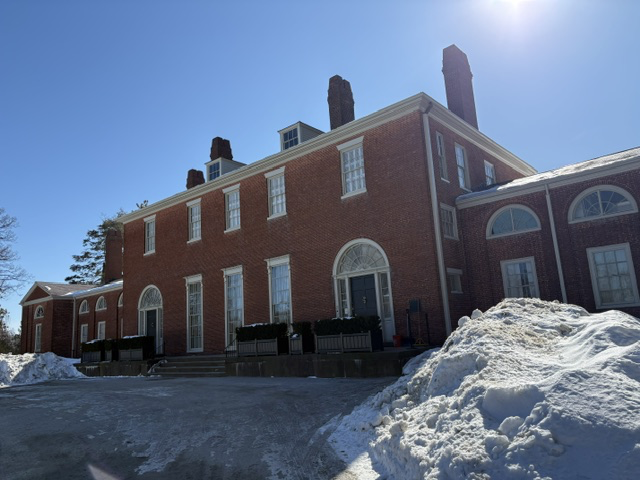
Gore Place
Surrounded by open lawns and mature trees, the Gore Place remains one of the finest surviving Federal-era estates in New England and offers a glimpse into the aspirations of the young American republic. Gore Place was built between 1804 and 1806 for Christopher Gore and his wife, Rebecca Amory Payne Gore. Christopher Gore was one of […]
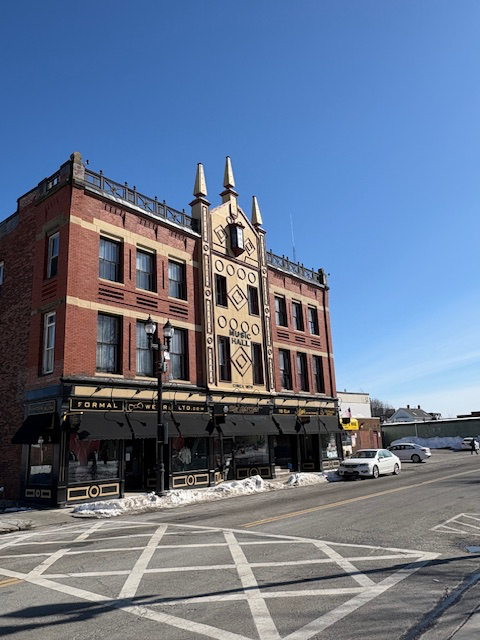
The Music Hall
The ornate facade of the Music Hall rises above the storefronts below with decorative brickwork, pointed finials, and the vertical “Music Hall” sign still prominently centered on the building. This building reflects a period in the late 19th and early 20th centuries when prosperous manufacturing cities built halls like this for concerts, lectures, theatre prosecutions, dances, political meetings […]
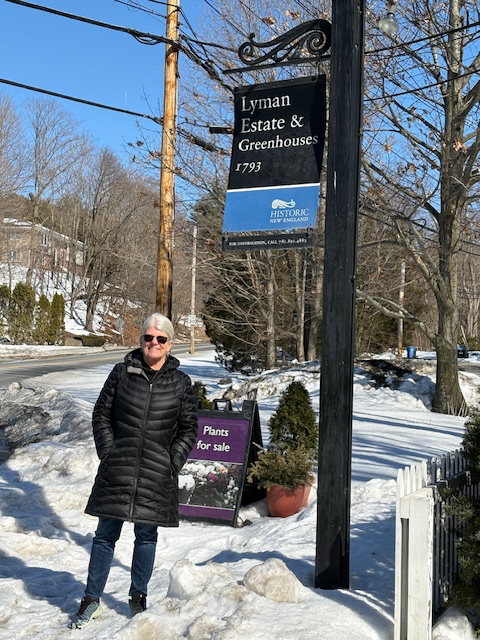
Lyman Estates
In Waltham stands another remarkable site connected to early American horticulture and estate life: The Lyman Estate. This estate preserves one of the finest surviving country houses of the Federal period as well as one of the oldest continuously operating greenhouse complexes in the United States. The estate was built in 1793 for Theodore Lyman, a wealthy Boston […]

