The Slopes of Citadel Hill
The broad grassy slopes surrounding Halifax’s Citadel were an essential part of its defences. Their open appearance reflects a military requirement: soldiers needed an unobstructed view of the ground outside the fortress, and an approaching enemy needed to remain exposed. The landscape surrounding the walls was designed to work with the fort itself.
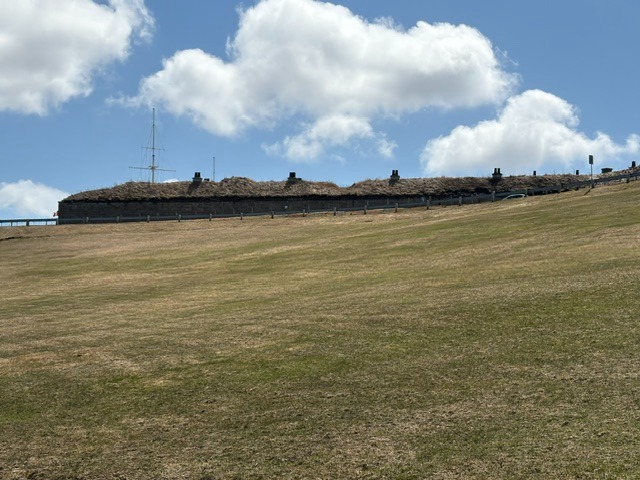
Military engineers called this sloping defensive ground a glacis. Keeping it clear of trees and structures denied attackers places to hide and helped defenders observe movement toward the fort. Halifax’s heritage designation specifically recognizes the open ground and the absence of trees on the glacis as important features of the Citadel’s historic setting.
The hill’s height was another advantage. It provided views toward the harbour, the town and the landward approaches, allowing the Citadel to function within a larger system of coastal defences. While other forts and batteries guarded the harbour’s waters, the Citadel was built to resist an attack from the land. Its elevated position helped protect the naval base and the settlement below.
The hill itself was altered as successive forts were constructed. During preparations for the third Citadel in the 1790s, its summit was lowered by fifteen feet. The present stone fortress, begun in 1828 and completed in 1856, continued that process of reshaping natural high ground into an engineered military position. The slopes, walls and sightlines were parts of a deliberately organized defensive landscape.
Those open approaches remain visible even without entering the fortress. They reveal how much of the Citadel’s defence depended on the relationship between architecture and terrain. The low profile of the fortifications above the grass, the clear ground below them and the elevated views preserve the logic of a position designed to watch for and discourage an enemy’s advance.
Read More From Nancy
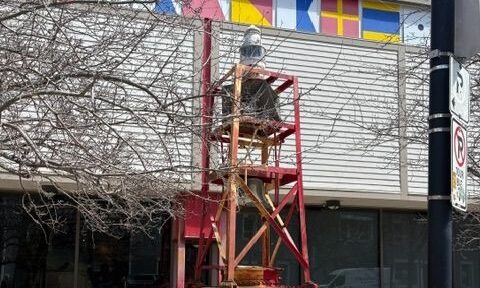
The Bell Buoy
Outside the Maritime Museum of the Atlantic, a weathered red bell buoy represents an essential part of navigation at sea. Its broad metal float supported a framework carrying a bell and a light, combining a visible marker with an audible signal. Equipment like this helped mariners recognize navigational markers when darkness or fog made the […]
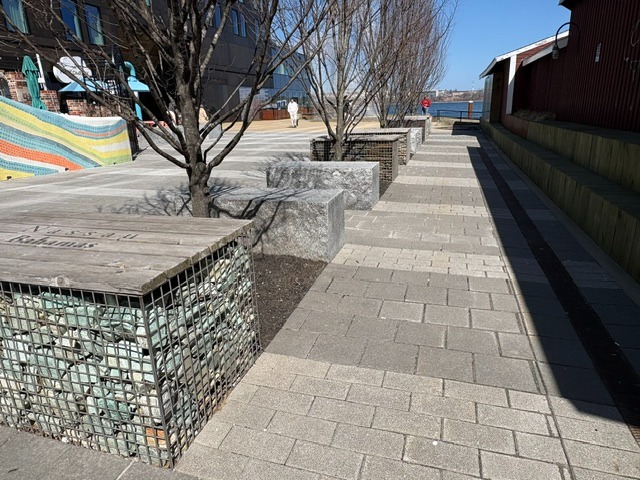
The Ballast Boxes
Along Halifax’s waterfront, stone-filled metal boxes topped with wooden seating recall an essential part of maritime trade. These ballast boxes turn a practical feature of the public landscape into a reminder of the weight that helped sailing ships travel safely across the ocean. A ship needed stability even when its hold carried little or no […]

Sitamuk Kjipuktuk Cultural Post
On Halifax’s waterfront, the Sitamuk Kjipuktuk Cultural Post provides a place for Mi’kmaw and other Indigenous artists to share and sell their work. Developed by the Mi’kmaw Native Friendship Centre as a social enterprise, the post connects cultural expression with economic opportunity, bringing Indigenous art and craftsmanship into one of the city’s most visited public […]

