Nova Scotia Technical College
At the corner of Spring Garden Road and Brunswick Street, the former Nova Scotia Technical College preserves an important chapter in the province’s educational history. Designed by Halifax architect Herbert E. Gates and opened in 1909, the building served for many years as the college’s principal academic home. Its red brick walls and formal classical entrance gave technical education a prominent place in the city’s streetscape.
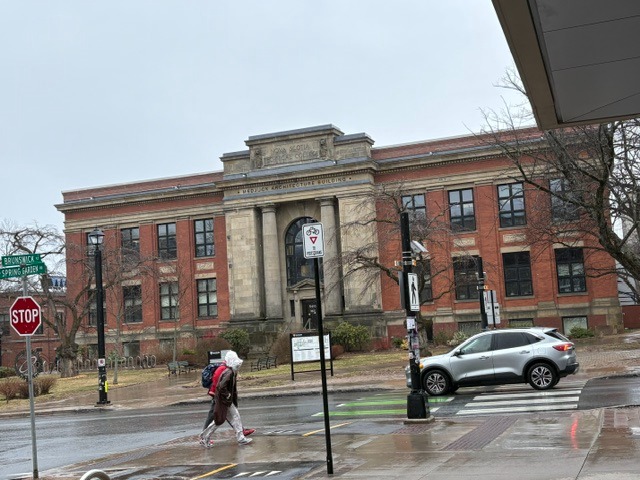
The building’s balanced façade reflects its neoclassical design. Pale columns distinguish the central entrance from the surrounding brickwork, while the inscription “Nova Scotia Technical College” retains the institution’s original identity. The architecture brought the familiar language of established public institutions to a college devoted to technical study.
A new direction began in 1961, when the college established its School of Architecture. The school initially shared this building with the Nova Scotia Museum of Science, placing architectural education and public scientific exhibits under the same roof. Over time, alterations and additions adapted the original college building to changing academic needs.
In 1980, the college became the Technical University of Nova Scotia. Its merger with Dalhousie University in 1997 brought architecture, engineering and computer science into the larger university. The original building became part of Dalhousie’s Sexton Campus, continuing its long association with education.
Renamed the Ralph M. Medjuck Building in 2005, it remains a home for architectural education. The dedication recognized Medjuck’s support for architecture and planning, including improvements to the school’s studio facilities. More than a century after its opening, the building continues to accommodate students learning how to shape the places in which people live and work.

Read More From Nancy
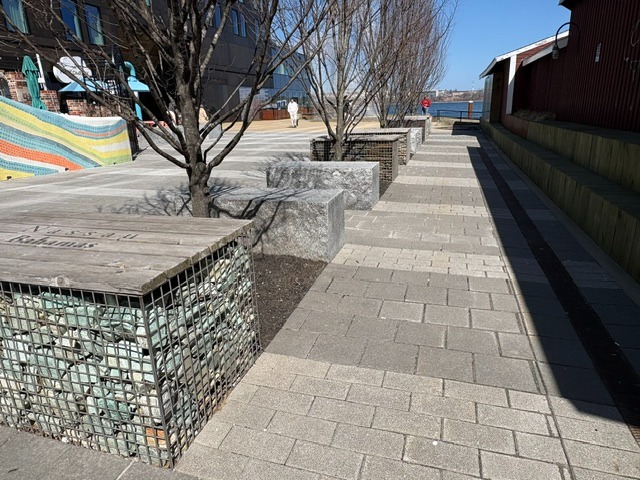
The Ballast Boxes
Along Halifax’s waterfront, stone-filled metal boxes topped with wooden seating recall an essential part of maritime trade. These ballast boxes turn a practical feature of the public landscape into a reminder of the weight that helped sailing ships travel safely across the ocean. A ship needed stability even when its hold carried little or no […]
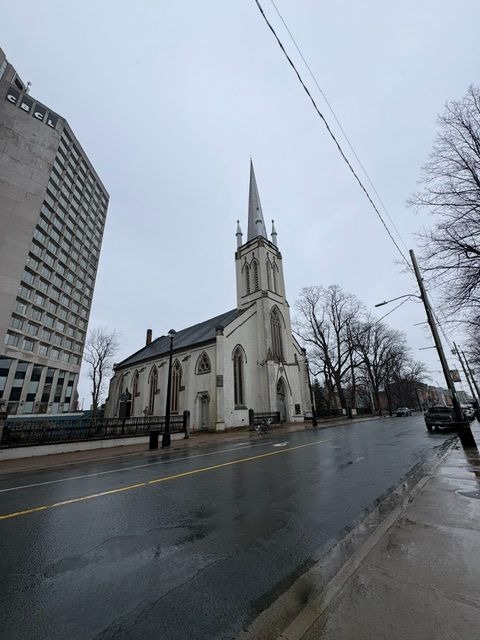
St. Matthew’s Church
On Barrington Street near Spring Garden Road, St. Matthew’s Church preserves the history of a congregation whose origins reach back to Halifax’s founding in 1749. Its tall spire, pointed windows and buttressed walls belong to a building completed in 1859, but the community that built it had already worshipped in the town for more than […]
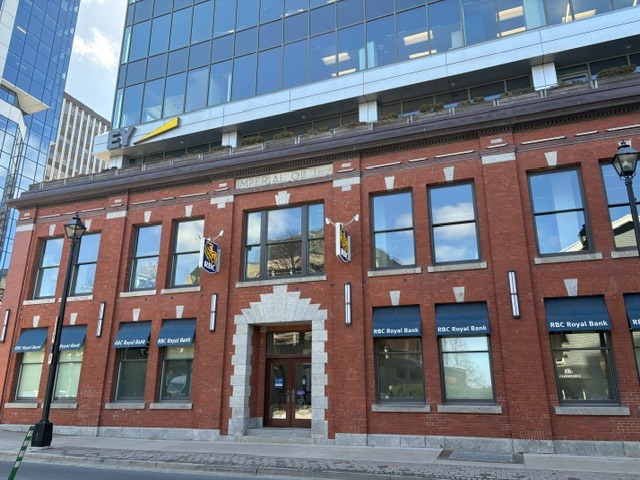
The Imperial Oil Building
At the corner of Duke and Upper Water Streets, the Imperial Oil Building records a twentieth-century chapter in Halifax’s waterfront commerce. Completed in 1926, the two-storey brick building provided office space for Imperial Oil Limited. The company’s name, carved above the central entrance, preserves its original identity. The property’s history reaches further back. It was […]

