The Bell Buoy
Outside the Maritime Museum of the Atlantic, a weathered red bell buoy represents an essential part of navigation at sea. Its broad metal float supported a framework carrying a bell and a light, combining a visible marker with an audible signal. Equipment like this helped mariners recognize navigational markers when darkness or fog made the coastline difficult to see.

A bell buoy uses the movement of the sea to produce sound. As waves rock the float, the bell’s striking mechanism rings. Unlike a powered foghorn, this system depends on wave action; in calm water, it may fall silent. The Canadian Coast Guard identifies bells and whistles as sound signals that can be fitted to different types of navigational buoys.
Colour also carries meaning. In Canada’s navigation system, red lateral buoys mark the starboard, or right-hand, side of a channel when travelling upstream or entering from seaward. Mariners use their colour, shape and markings together with charts to understand where to pass. The familiar phrase “red, right, returning” helps explain this arrangement.
Displayed on land, the buoy reveals details that would be difficult to examine from a passing vessel: the riveted float, the framework supporting the bell and the equipment mounted above it. Its purpose depended on remaining recognizable through salt water, rough weather and changing visibility. Such markers formed part of the practical network that guided vessels through coastal waters, where knowing the position of a channel or hazard could determine whether a voyage ended safely.
Read More From Nancy

Mitchell House
At the corner of Prince and Lower Water Streets, Mitchell House preserves a chapter of Halifax’s history when a merchant’s home and business could share the same building. George Mitchell purchased the property in 1819 and, in the mid-1820s, replaced an earlier wooden house with an ironstone residence and warehouse. The location placed his family […]
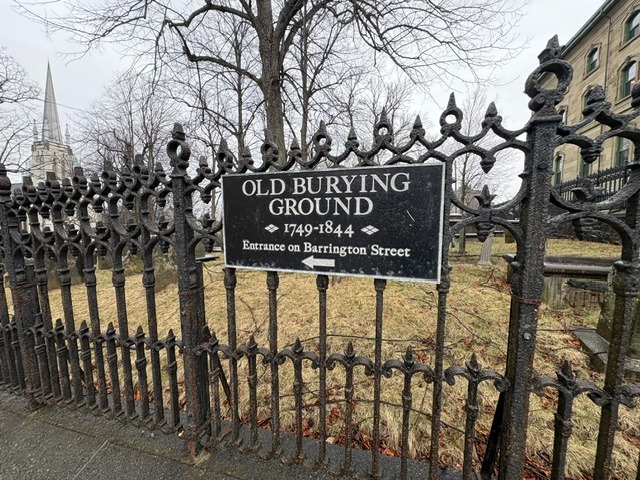
Old Burying Ground and Welsford-Parker Monument
Established in 1749, the same year Halifax was founded as a British settlement, the Old Burying Ground served the community until 1844. Originally located outside the fortified town, it became the resting place of people from different religious denominations. Today, its enclosed grounds preserve a chapter of early Halifax within the surrounding downtown streets. More […]
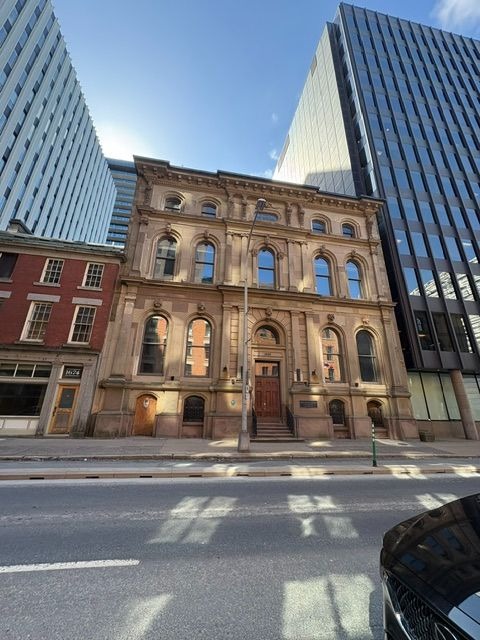
The Dominion Building
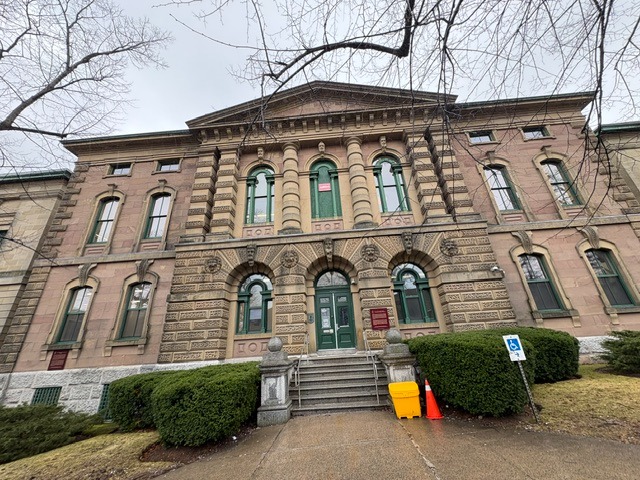
The Dominion Building on Hollis Street was conceived as a centre for the services that connected nineteenth-century Nova Scotia to the wider world. In 1863, the provincial legislature approved its construction to house the Post Office, Customs House and Railway Department. Completed in 1868, it brought together institutions responsible for communication, trade and transportation. Designed […]

