The Ballast Boxes
Along Halifax’s waterfront, stone-filled metal boxes topped with wooden seating recall an essential part of maritime trade. These ballast boxes turn a practical feature of the public landscape into a reminder of the weight that helped sailing ships travel safely across the ocean.
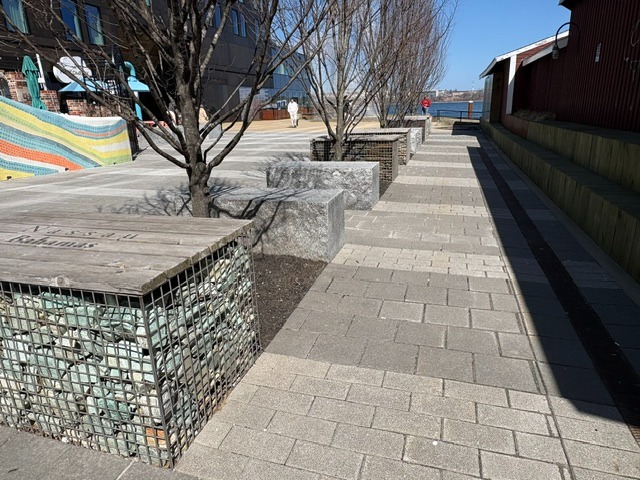
A ship needed stability even when its hold carried little or no cargo. Heavy material placed low in the vessel helped provide that stability. Before modern ballast systems, ships commonly carried stone, gravel or sand for this purpose. A voyage without a commercial load could still require considerable weight beneath the decks.
Ballast also created work in port. When a vessel arrived to collect cargo, some of its ballast might need to be removed to make room for the goods. After delivering a load, the ship could require ballast again before departing. Handling that material added labour and time to the loading and unloading that sustained maritime commerce.
At Queen’s Marque, the waterfront interpretation connects the ballast boxes with the movement of materials between distant ports. The installation invites attention to the ordinary stones that accompanied voyages, alongside the more familiar stories of ships, sailors and valuable cargo.
The boxes also serve a present-day purpose as places to sit beside the harbour. Their exposed stones keep the historical reference visible, bringing a usually hidden part of a ship’s operation into the public landscape. They give a modest but necessary element of seafaring its own place in Halifax’s waterfront story.
Read More From Nancy
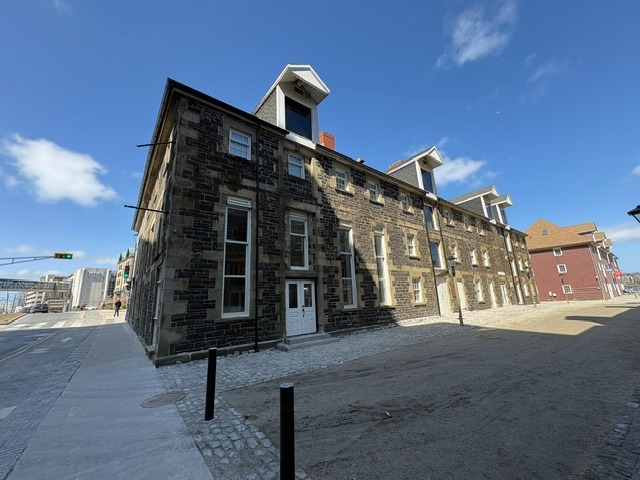
Historic Properties
Along Halifax’s harbour, a closely grouped collection of stone and wooden buildings preserves the character of the city’s nineteenth-century working waterfront. Known as Historic Properties, these former warehouses and commercial premises stood where merchants conducted business and stored goods moving through the port. In 1963, the Halifax Waterfront Buildings were designated a National Historic Site, […]
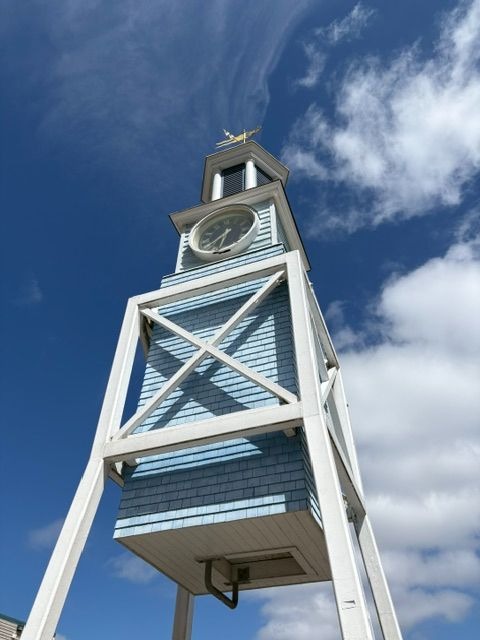
The Dockyard Clock
At Chebucto Landing on Halifax’s waterfront, the Dockyard Clock stands above the boardwalk in a blue-shingled tower supported by an open framework. Its public setting is relatively recent, but the timepiece dates to 1767. Made in London, England, it was installed in Halifax’s naval dockyard in 1772, where it served generations of sailors and civilian […]
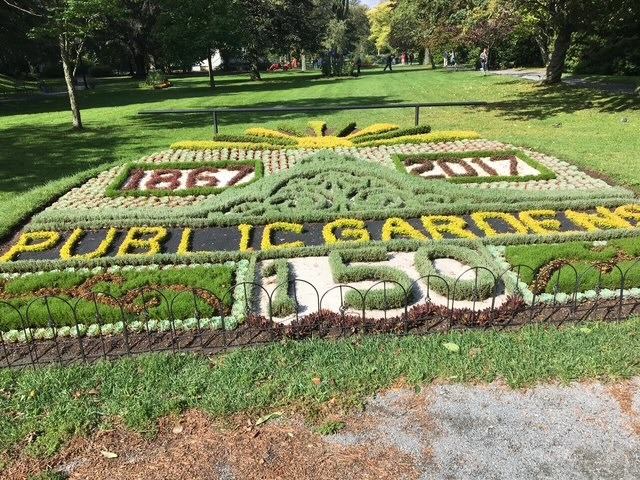
Halifax Public Gardens
The Halifax Public Gardens preserve a rare example of a Victorian public garden in the heart of a modern city. Across approximately sixteen acres, winding gravel paths connect carefully maintained lawns, ornamental flower beds, mature trees, and water features. The landscape was designed for leisurely walking and close observation, offering opportunities to appreciate both individual […]

