The Roman Aqueduct
Inside Casa de l’Ardiaca, near Barcelona’s cathedral, surviving water channels reveal part of the engineering that supported the ancient Roman city of Barcino. Built into a site later occupied by a medieval residence, these remains preserve evidence of an essential urban service: bringing fresh water from beyond the city walls.
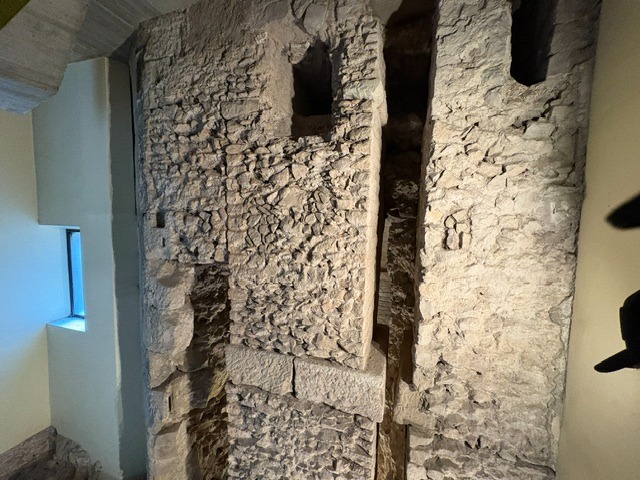
The Romans established Barcino near the end of the first century BC. Its inhabitants needed water for drinking, public fountains, bathing, workshops, and the cleaning of drains. Meeting those needs required a dependable supply and a carefully planned system for distributing it.
Water traveled from the Montcada area through an aqueduct extending more than eleven kilometers. A gradual downward slope allowed gravity to carry it toward the city. Much of the route consisted of channels close to or beneath the ground; elevated arches supported the watercourse where the terrain required them.
Near present-day Plaça Nova, two parallel channels entered beside one of the city’s gates. Sections preserved inside Casa de l’Ardiaca help explain how water crossed this boundary. Their survival also allows archaeologists to study a system whose full course has largely disappeared beneath later development.
As Barcelona expanded and changed, new buildings incorporated portions of its Roman infrastructure. Casa de l’Ardiaca preserves this layering particularly well, bringing ancient masonry into the fabric of a residence built centuries later.
These channels offer a connection to the everyday life of Roman Barcelona. Behind its temples, streets, and defensive walls stood the practical work of finding water, transporting it, and supplying a community.
Read More From Nancy
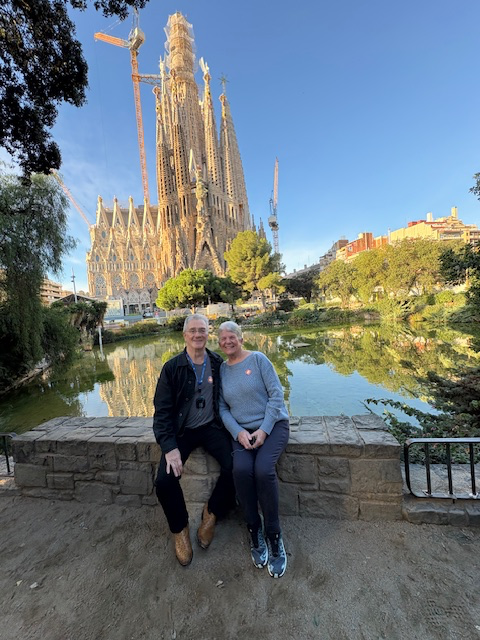
Sagrada Familia
We visited the Sagrada Familia in Barcelona again in 2025, the year they projected to have the cathedral completed. Over the years of visiting the city, we have watched this magnificent cathedral grow from the vision of Antoni Gaudi. What makes this experience unique is that it is not a finished monument, but a living […]
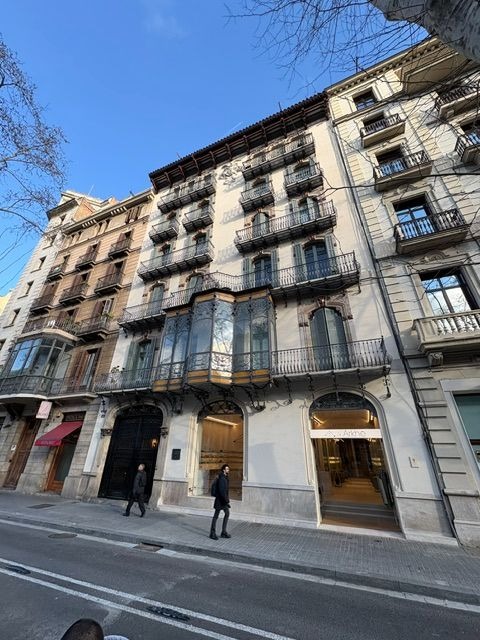
Casa Dolors Calm
At 54 Rambla de Catalunya, Casa Dolors Calm reveals how an existing building could be transformed through architecture and decorative craftsmanship. Its projecting wooden bay windows give the façade a distinctive character, bringing together glass, patterned woodwork, and ornamental details. The original house was constructed in 1879 by master builder Josep Déu i Busquets. Between […]
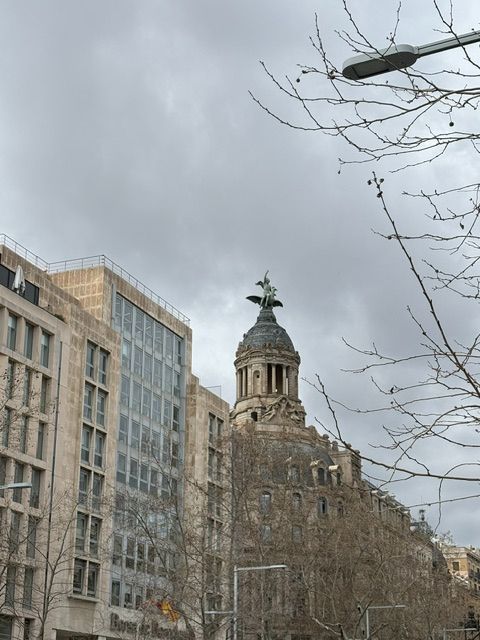
A Symbol Above the City
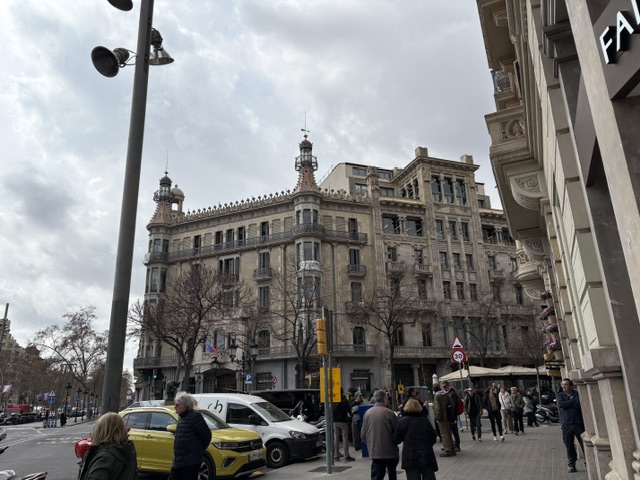
Walking along Passeig de Gràcia, I noticed a domed tower rising above the trees. At its summit, a winged figure stood against the sky. It was a detail that invited a closer look, and learning its purpose revealed a connection between architecture, mythology, and the business that commissioned the building. This was the Barcelona headquarters […]

