A Symbol Above the City
Walking along Passeig de Gràcia, I noticed a domed tower rising above the trees. At its summit, a winged figure stood against the sky. It was a detail that invited a closer look, and learning its purpose revealed a connection between architecture, mythology, and the business that commissioned the building.
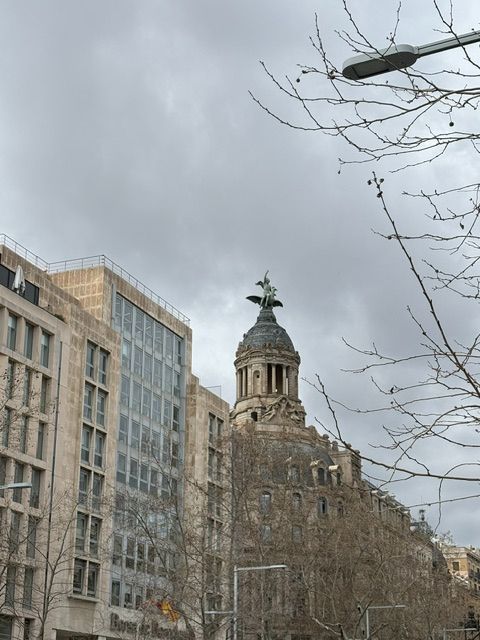
This was the Barcelona headquarters of La Unión y el Fénix Español, an insurance company that used prominent buildings to establish its presence in cities across Spain. In 1927, the company acquired the site at Passeig de Gràcia and Carrer de la Diputació. Architect Eusebi Bona i Puig won the competition to design its new headquarters, which opened in 1931.
Bona gave the building a commanding corner tower, crowned by a dome and the company’s sculptural emblem. Its formal composition belongs to a monumental architectural tradition influenced by the French Beaux-Arts approach. Columns, sculptural decoration, and the curved corner create a sense of ceremony appropriate to a company seeking to communicate stability and confidence.
The figure at the top gives the building its most distinctive feature. The phoenix is a mythical bird associated with renewal: consumed by fire, it rises again from its ashes. For an insurance company, that symbolism carried a clear message. Recovery after destruction was central to the service it offered, and the emblem made that idea visible above the street.
This was also a form of architectural advertising. La Unión y el Fénix placed its emblem on buildings in numerous Spanish cities, including Madrid, Valencia, Bilbao, and Seville. A person who recognized the rooftop symbol could identify the company before reading a sign at street level. The buildings became part of a shared corporate identity while contributing distinctive features to their individual cities.
Looking at this building helped me appreciate how much information can be carried by a roofline. The dome marks the corner, the sculpture identifies its original owner, and the phoenix communicates an idea about rebuilding after loss. What first appeared to be an unusual ornament turned out to explain why the building looked the way it did.
Along a boulevard celebrated for its architecture, this tower offers its own story. It preserves the ambitions of an insurance company, the work of an architect and sculptor, and a mythical symbol chosen to make a practical promise visible above Barcelona’s streets.
Read More From Nancy
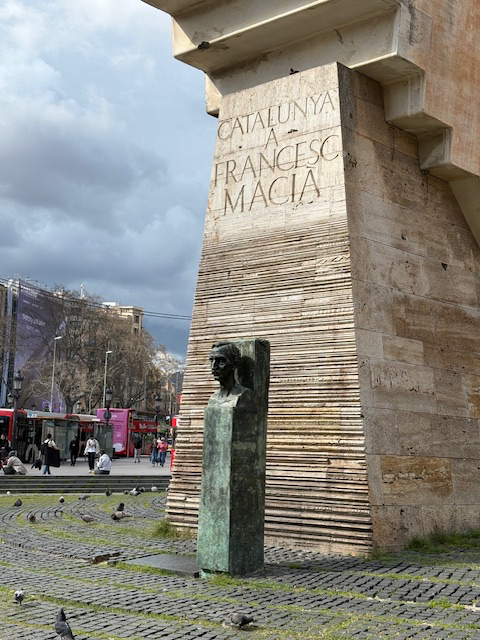
Macia Memorial
There are so many extraordinary highlights from our travels to Barcelona, but today, I want to share this structure that stands in the largest plaza in the city. As we traveled around the city, we often passed it. I took pictures because I was so curious about who the bust of the man was and […]
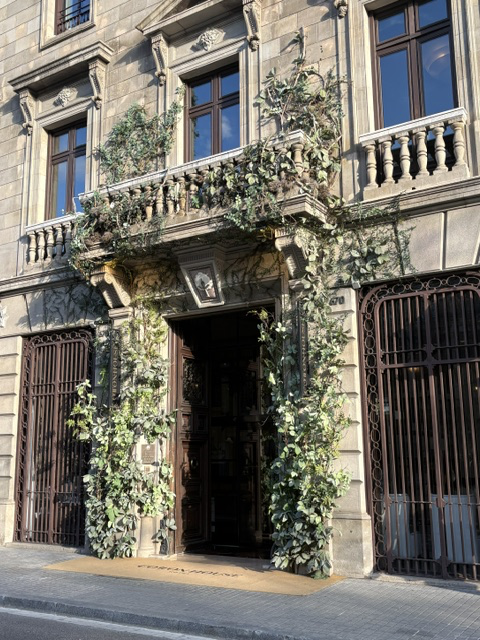
Cotton House Hotel
Whenever we travel, we enjoy staying in places that have a history of their own. A historic hotel often becomes more than a place to spend the night; it becomes another way of understanding the city we have come to explore. That was certainly true during our stay at the Cotton House Hotel in Barcelona. […]
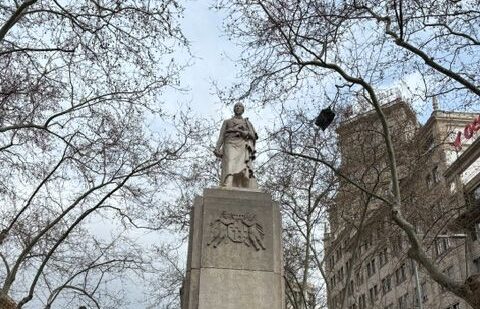
The Monument to Joan Güell i Ferrer
On a landscaped strip along Barcelona’s Gran Via, a stone figure stands above the surrounding traffic and pedestrians. Beneath him, carved figures and symbols decorate a tall pedestal. The monument honors Joan Güell i Ferrer, a nineteenth-century industrialist whose story connects Barcelona’s textile factories, political life, and one of its most familiar family names. Born […]

